


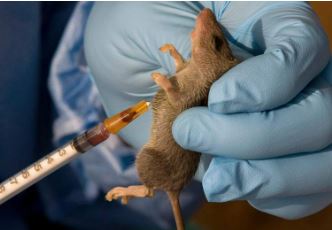
Lassa fever death toll hits 229 as fresh infections rise
Summarized and contextualized by DistantNews.
At a glance
News
Named sources
Context piece
- Nigeria's Lassa fever outbreak has resulted in 229 deaths this year, with a recent spike of 25 new cases in one week.
- The Nigeria Centre for Disease Control and Prevention (NCDC) reported 963 confirmed cases out of 6,554 suspected infections.
- The case fatality rate stands at 23.8%, higher than the previous year, and one healthcare worker was infected.
Nigeria is grappling with a severe Lassa fever outbreak, which has claimed 229 lives so far this year, according to the Nigeria Centre for Disease Control and Prevention (NCDC). The agency confirmed a significant increase in infections, with 25 new cases recorded in Epidemiological Week 28, up from 14 in Week 27. These new infections were reported across five states: Ondo, Bauchi, Edo, Kogi, and Cross River. Cumulatively, Nigeria has recorded 963 confirmed cases from 6,554 suspected infections between Weeks 1 and 28. The case fatality rate (CFR) has risen to 23.8%, a notable increase from 18.7% during the same period in 2025. Alarmingly, one healthcare worker contracted the virus during the reporting week, highlighting the ongoing risks faced by medical personnel. The NCDC stated that 23 states and 114 local government areas have reported at least one confirmed case this year. Ondo, Bauchi, Taraba, Edo, and Benue states account for 86% of all confirmed infections, with Ondo alone contributing 31%. Young adults aged 21 to 30 years are the most affected demographic, though patient ages range from one to 93 years. The NCDC attributes the high death rate to late patient presentation at health facilities, poor health-seeking behaviors influenced by treatment costs, inadequate sanitation, and insufficient public awareness. The agency urged healthcare workers to maintain vigilance and ensure prompt diagnosis and referral of suspected cases, while also advising states to intensify community engagement on preventive measures.
Healthcare workers should maintain high suspicion for Lassa fever and initiate timely referral and treatment while adhering strictly to infection prevention and control procedures.
DistantNews Editorial
Originally published by Vanguard. Summarized and contextualized by our editorial team with added local perspective. Read our editorial standards.
More Stories


From Our Blog

How the Same Story Looks Different in Different Countries

What Gets Lost (and Found) When News Is Translated

The Critical Role of Diaspora Media in Global News

What Travellers Should Know About Countries with Restricted Press

A Digital Nomad's Guide to Following Local News
