


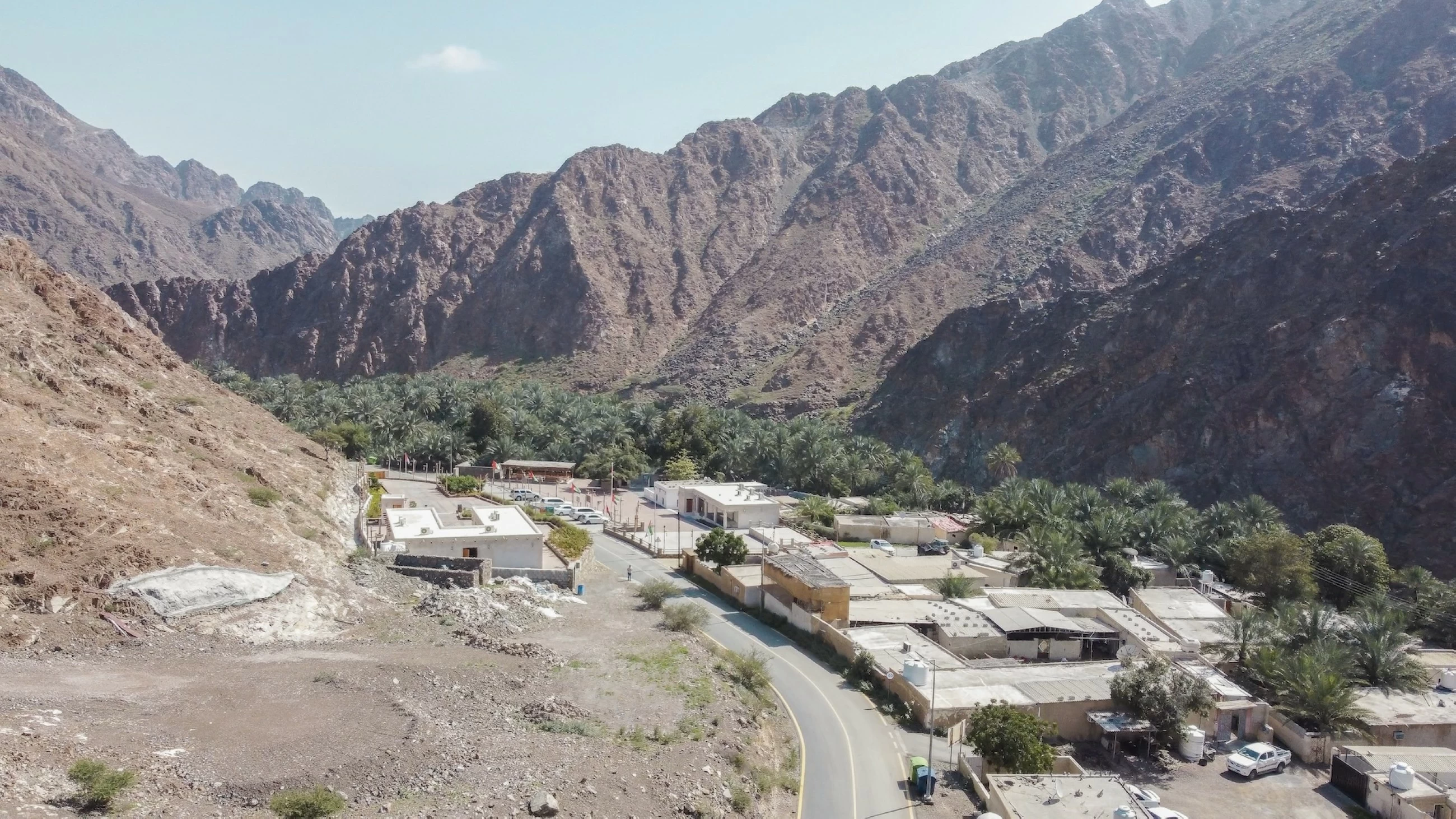
Latest archaeological discoveries reveal new human history insights in UAE
Summarized and contextualized by DistantNews.
At a glance
News
Official statement
Outcome reported
- Archaeological discoveries in the UAE during 2026 have revealed new insights into the nation's human history and settlement patterns.
- Findings from Sharjah show evidence of early human occupation dating back 60,000 to 16,000 years, adapting to climate shifts.
- Abu Dhabi's Department of Culture and Tourism also announced findings related to ancient economic life and regional connections.
The United Arab Emirates has unveiled significant archaeological discoveries throughout 2026, offering a revised understanding of the nation's human history, settlement patterns, and ancient economic activities. These findings span from prehistoric eras to the Bronze Age, reshaping perceptions of the region's past.
Ongoing survey, excavation, and research efforts have provided deeper insights into how ancient communities navigated environmental changes and maintained connections across the region. In Sharjah, a notable discovery at the Jebel Al Buhais rock shelter revealed repeated early human occupation across widely spaced periods. An international research project published in Nature Communications in March 2026 documented human presence dating back 60,000 to 16,000 years. This evidence highlights the remarkable adaptation of early humans to severe climate fluctuations and periods of drought.
Further contributing to this historical narrative, the Department of Culture and Tourism - Abu Dhabi announced findings in July that shed light on ancient economic life. These discoveries collectively paint a more detailed picture of human resilience and interaction within the Arabian Peninsula over millennia.
DistantNews Editorial
Originally published by Gulf Today. Summarized and contextualized by our editorial team with added local perspective. Read our editorial standards.
More Stories



From Our Blog

What Gets Lost (and Found) When News Is Translated

The Critical Role of Diaspora Media in Global News

What Travellers Should Know About Countries with Restricted Press

A Digital Nomad's Guide to Following Local News

How the Same Story Looks Different in Different Countries
