


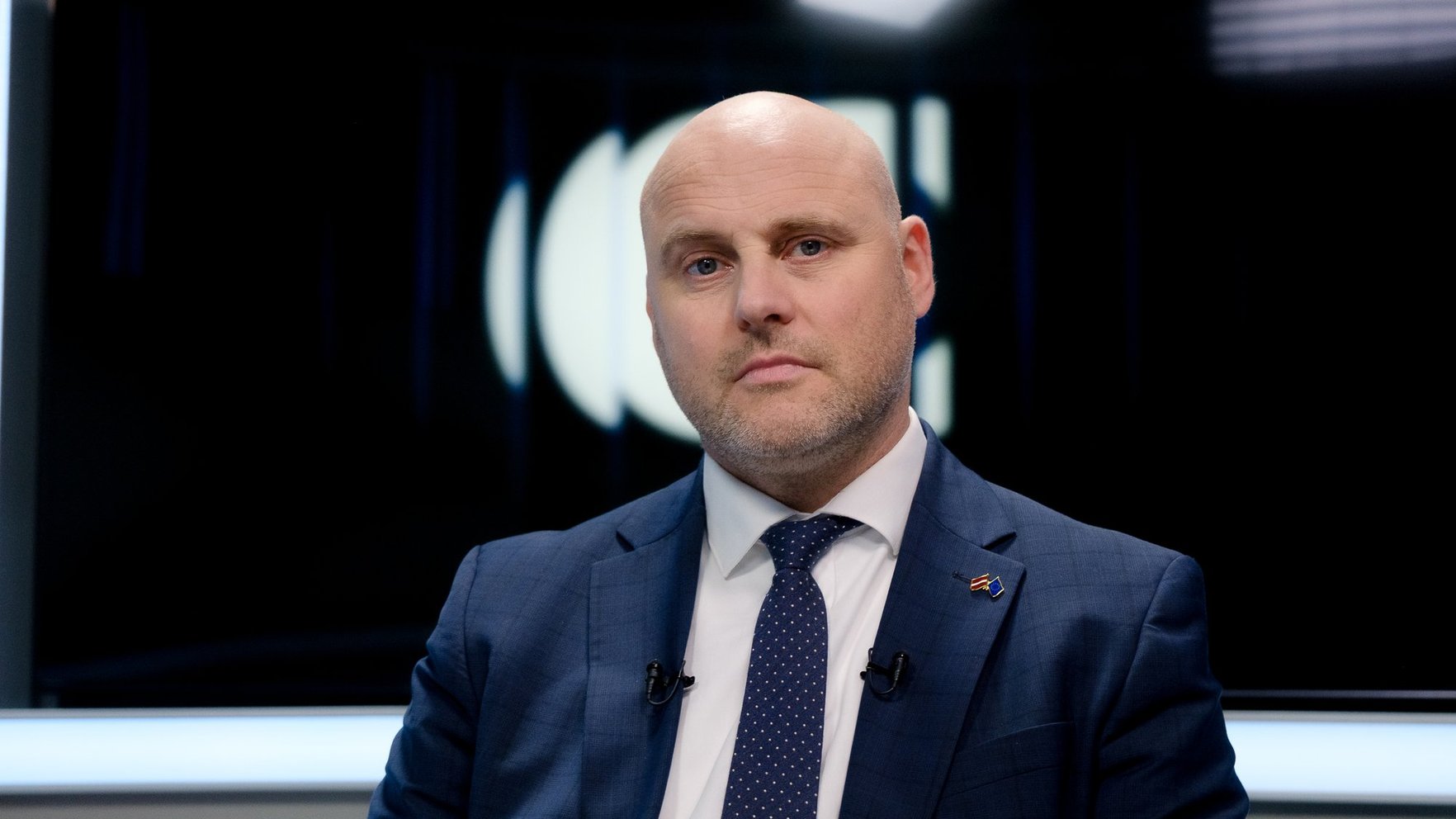
Latvia's 'New Unity' party urges PM to fulfill civil society support pledge
Translated from Latvian, summarized and contextualized by DistantNews.
At a glance
News
Sources not specified
Context piece
- Latvia's "New Unity" party publicly reminded Prime Minister Andris Kulbergs of the government's pledge to strengthen support for civil society.
- The reminder comes amid public disagreements between coalition partners regarding government work, particularly concerning the national airline airBaltic.
- The "New Unity" party emphasized the importance of civil society and non-governmental organizations as cornerstones of democracy.
Latvia's "New Unity" (JV) party has publicly called on Prime Minister Andris Kulbergs to uphold a commitment made in the government's declaration to bolster support for civil society. The party highlighted this pledge on social media, reminding the prime minister of the coalition's stated intention.
"Civil society and non-governmental organizations are one of the cornerstones of democracy," stated JV in their social media post. "We remind Prime Minister Andris Kulbergs that in point 51 of the government declaration, the government has pledged to strengthen support for civil society. We will follow to ensure this commitment is implemented in practice."
This public reminder surfaces as the coalition government faces internal friction over various policy matters. Notably, coalition partner ZZS has publicly demanded explanations from Kulbergs regarding the situation at the national airline airBaltic. ZZS is seeking clarity on recent financial support measures for the airline and the status of its debt repayment capabilities, especially in light of a negative credit rating outlook from Fitch Ratings.
JV's emphasis on civil society support underscores a broader coalition dynamic where different parties are asserting their priorities. The timing of the reminder also coincides with Kulbergs' expressed skepticism about the state's ability to manage capital companies, raising concerns about transparency in potential deals involving state-owned entities like "Tet" and "Latvijas Mobilais telefons."
DistantNews Editorial
Originally published by Delfi Latvia in Latvian. Translated, summarized, and contextualized by our editorial team with added local perspective. Read our editorial standards.
More Stories
From Our Blog

What Gets Lost (and Found) When News Is Translated

The Critical Role of Diaspora Media in Global News

What Travellers Should Know About Countries with Restricted Press

A Digital Nomad's Guide to Following Local News

How the Same Story Looks Different in Different Countries
