

Latvia's School Kitchens May Turn to Cheap Imports Without Urgent Regulatory Fixes
Translated from Latvian, summarized and contextualized by DistantNews.
At a glance
News
Named sources
Context piece
- Latvian schools and kindergartens may soon serve more cheap imported food instead of local products.
- This situation will occur if the Saeima does not urgently amend the regulations it created.
- Local producers warn that the current rules favor imports over Latvian agricultural goods.
Latvian schools and kindergartens face a potential shift towards cheaper imported food if the Saeima, the country's parliament, does not urgently revise its own regulations. Local producers are warning that the current legislative situation could sideline high-quality Latvian agricultural products in favor of inexpensive imports as early as this autumn.
The core of the issue lies in regulations that, according to critics, inadvertently create an environment where imported food becomes the more accessible and cost-effective option for school kitchens. This poses a significant threat to Latvia's own farmers and food manufacturers, who are struggling to compete under the current system.
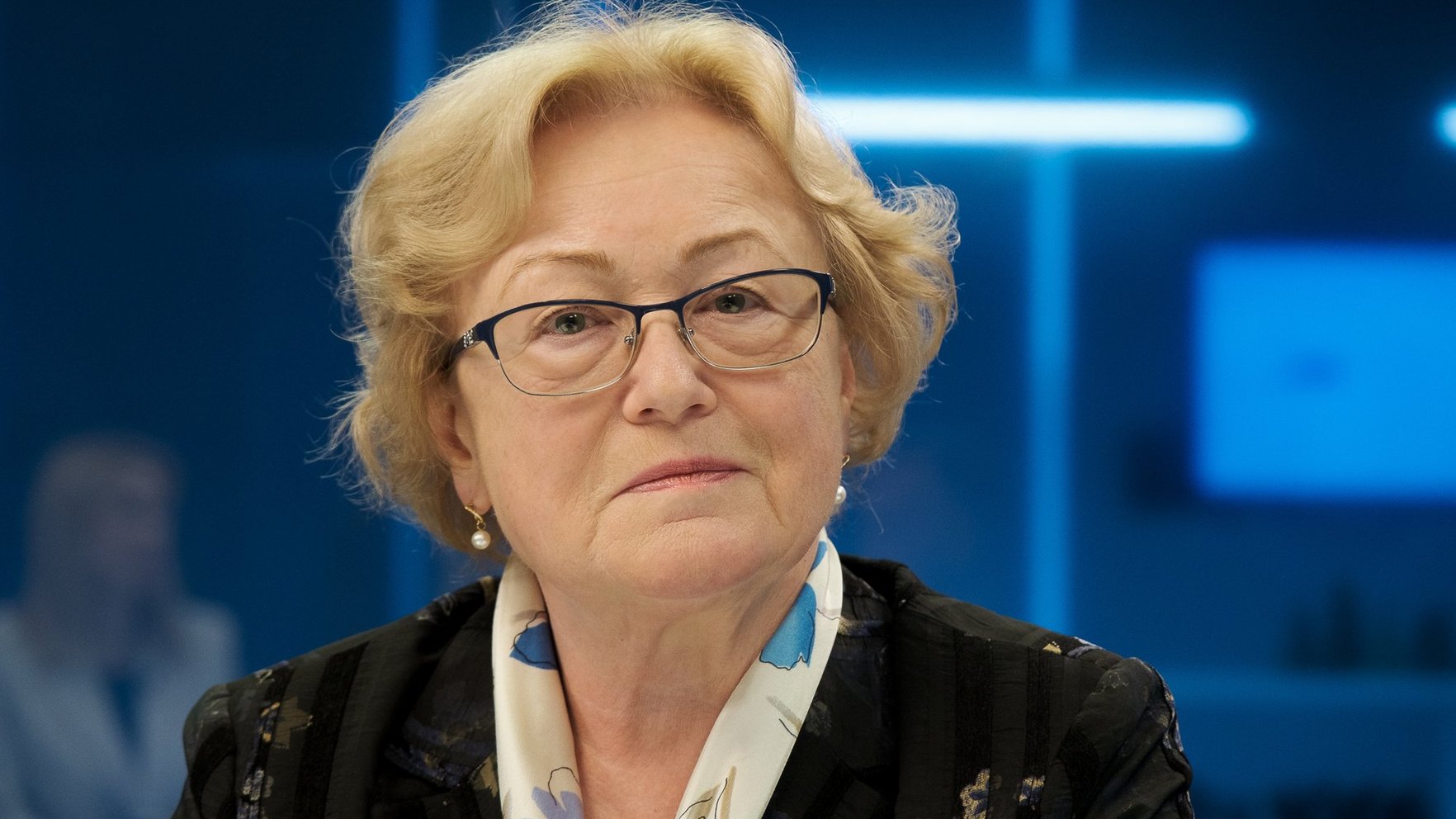
Ināra Šure, a voice in this discussion, highlights the urgency, stating that if the Saeima does not act swiftly in the coming weeks, children's plates in educational institutions will increasingly feature cheap imports. This scenario risks undermining the quality of meals served and diminishing the market for domestic agricultural output, impacting the livelihoods of Latvian farmers and the broader food industry.
Ja Saeima tuvākajās nedēļās steidzami neizlabos pašas radīto situaciju, jau šoruden Latvijas bērnu šķīvjos skolās un bērnudārzos daudz biežāk nonāks lētais imports, nevis kvalitatīva Latvijas pārtikas ražotāju un lauksaimnieku produkcija.
DistantNews Editorial
Originally published by Delfi Latvia in Latvian. Translated, summarized, and contextualized by our editorial team with added local perspective. Read our editorial standards.
More Stories



From Our Blog

What Gets Lost (and Found) When News Is Translated

The Critical Role of Diaspora Media in Global News

What Travellers Should Know About Countries with Restricted Press

A Digital Nomad's Guide to Following Local News

How the Same Story Looks Different in Different Countries
