



Latvian Court Orders Businessman to Retract Defamatory Claims Against "Vienotība" Party
Translated from Latvian, summarized and contextualized by DistantNews.
At a glance
News
Sources not specified
Outcome reported
- A court has ordered Renārs Kadžulis to retract accusations and apologize to the political party "Vienotība".
- The court found Kadžulis's statements about a party official attempting to falsify election results to be untrue.
- The ruling emphasized that spreading unsubstantiated claims harms democratic processes.
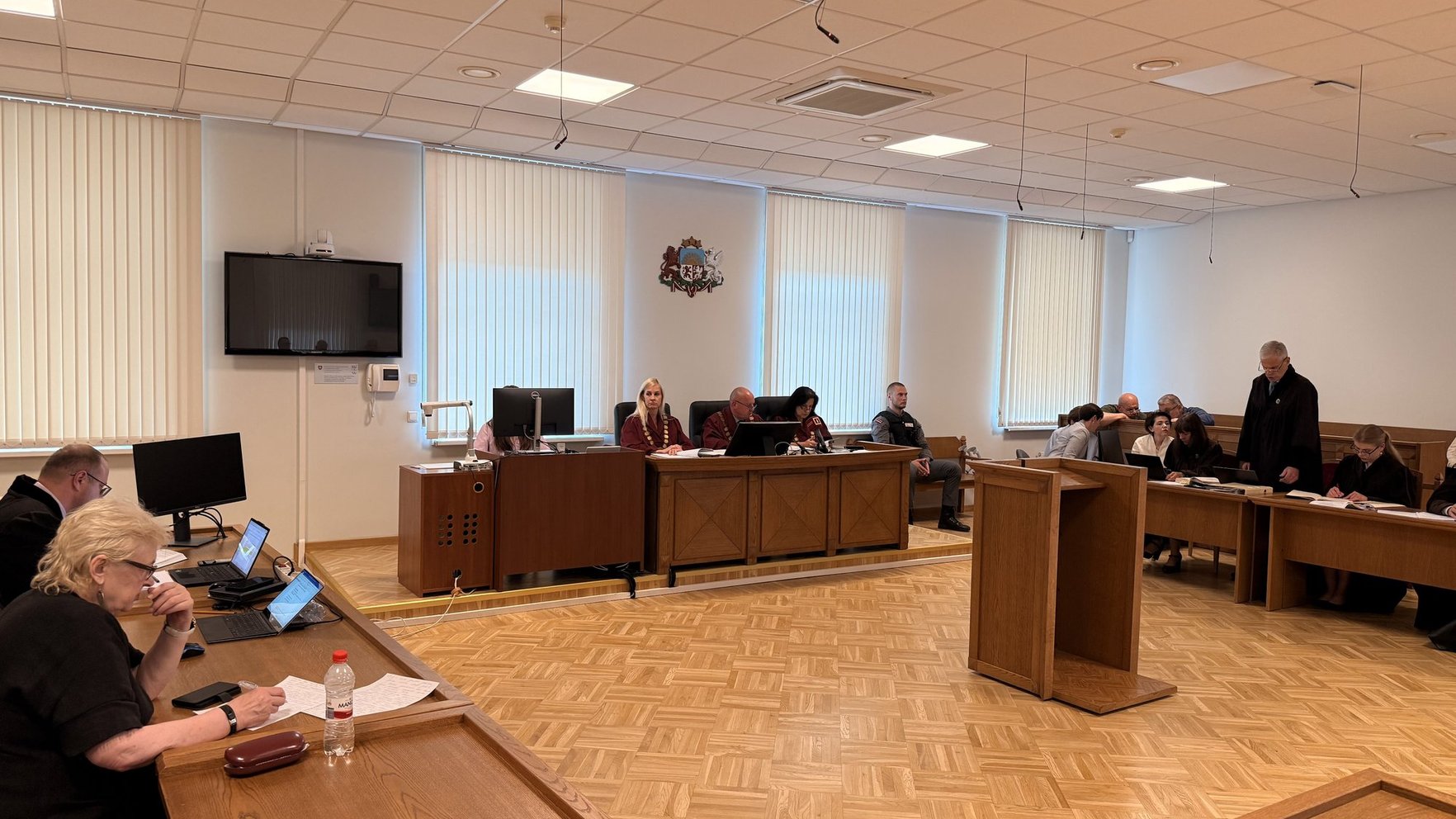
A Riga court has ruled in favor of the political party "Vienotība," ordering businessman Renārs Kadžulis to retract his accusations and issue a public apology. The court found Kadžulis's claims, made against the party's former secretary Artis Kampars, to be false and damaging to the party's honor and reputation.
The court has clearly recognized that Kadžulis's statements contain a direct reference to an attempt to commit a serious crime.
The core of the dispute involved Kadžulis's assertion that Kampars had attempted to influence the 2014 parliamentary election results. Specifically, Kadžulis alleged that Kampars asked him to ensure Solvita Āboltiņa secured enough votes to enter parliament, implying a request to falsify election results. The court determined these statements were factual claims, not mere opinions, and thus subject to verification.
Equally important is that unsubstantiated, discrediting information about criminal acts not only damages the reputation of the specific party but also distorts the democratic process in the country as a whole.
Kadžulis failed to provide evidence to support his allegations. The court concluded that his statements were intended to discredit "Vienotība" and its members during the pre-election period, significantly lowering the party's public standing. By spreading defamatory information about alleged criminal activity that threatened the state's democratic structure, Kadžulis engaged in an impermissible act that grossly violated the party's right to protect its honor and reputation.
The verdict also confirms that the presumption of innocence also protects legal entities – political parties, and no one has the right to accuse their members of actions that threaten the foundations of the democratic system without evidence.
The court stressed that disseminating baseless, discrediting information about criminal acts not only jeopardizes a political party's operations but also distorts the democratic process within the country. The ruling serves as a reminder that the presumption of innocence also protects legal entities like political parties, and individuals cannot accuse party members of actions threatening democracy without proof. Kadžulis has until July 27 to appeal the decision.
We need you to make it happen, so she gets elected.
DistantNews Editorial
Originally published by Delfi Latvia in Latvian. Translated, summarized, and contextualized by our editorial team with added local perspective. Read our editorial standards.
More Stories


From Our Blog

What Gets Lost (and Found) When News Is Translated

The Critical Role of Diaspora Media in Global News

What Travellers Should Know About Countries with Restricted Press

A Digital Nomad's Guide to Following Local News

How the Same Story Looks Different in Different Countries
