

Latvian farm cultivates rare 'golden root' for over 30 years, boosting vitality
Translated from Latvian, summarized and contextualized by DistantNews.
At a glance
In-depth
Sources not specified
Context piece
- The "Upmaļi" farm in Renda, Latvia, has been cultivating Rhodiola rosea, also known as golden root, for over 30 years.
- This rare medicinal plant, used for millennia in traditional Chinese and Nordic medicine, is prized for its adaptogenic properties, boosting energy, reducing stress, and enhancing cognitive function.
- Demand for Rhodiola rosea is growing, leading to concerns about overharvesting and the development of synthetic alternatives, making cultivation efforts like those at "Upmaļi" increasingly important.
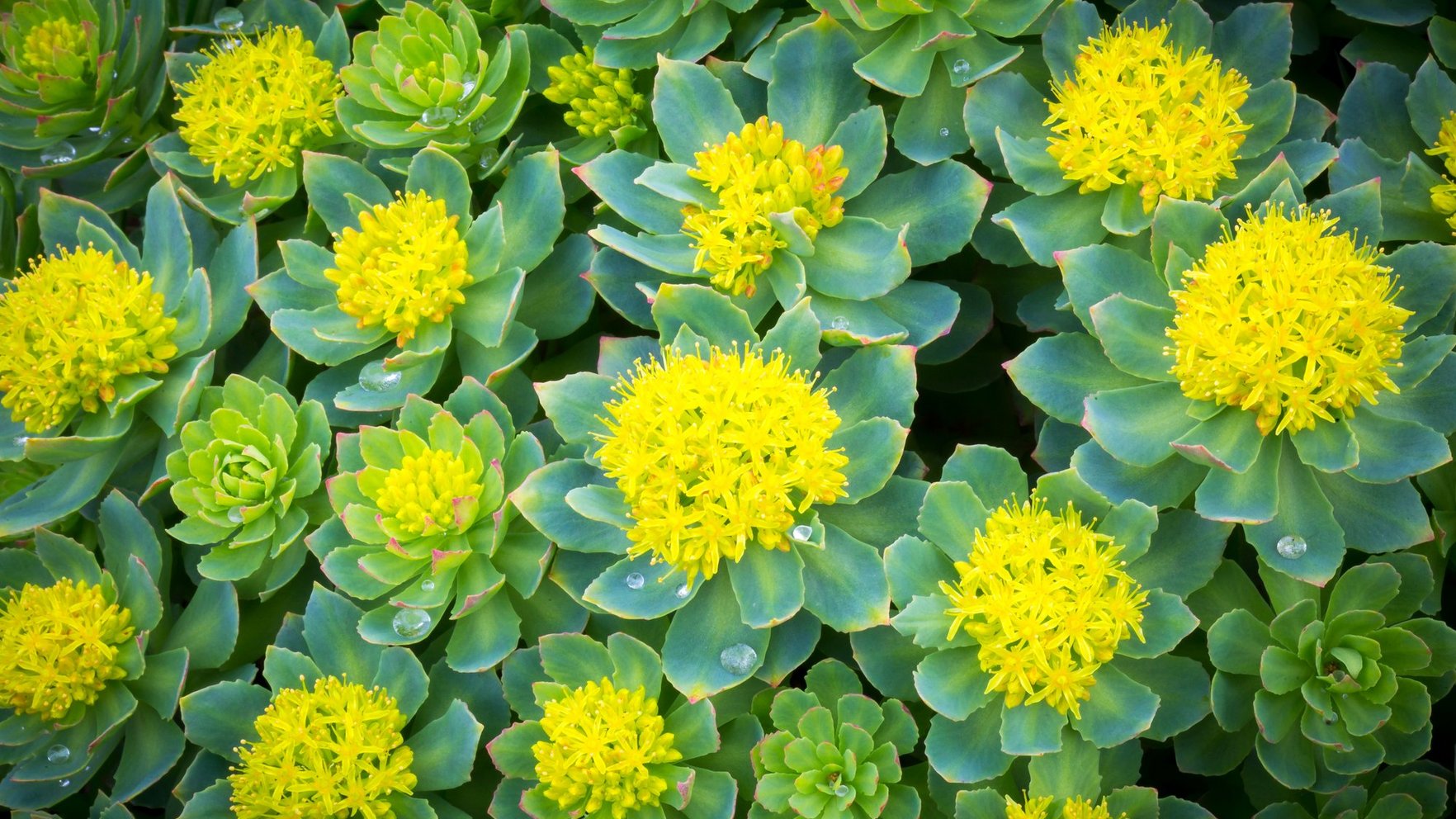
In the rural landscape of Renda, Latvia, the "Upmaļi" farm is cultivating a rare and valuable plant known as golden root, or Rhodiola rosea. For over three decades, Māra and Dainis Bergmanis have dedicated themselves to growing this potent medicinal herb, which they credit with enhancing their own vitality and work capacity in recent years.
Rhodiola rosea belongs to the Crassulaceae family and is a slow-growing plant, taking seven years from seed to harvest. This demanding cultivation process requires meticulous hand labor. However, the plant's remarkable properties, recognized for thousands of years in traditional Chinese and Nordic healing practices, make the effort worthwhile. It is traditionally used to alleviate nervousness and anxiety, restore energy and vitality, strengthen the immune system, and improve mental capabilities.
We started as a biodynamic farm and were politically active at the time. Since Dainis speaks German well and I speak English, foreigners started visiting us in the early 90s, and we told them what we were doing and what biodynamic means. It became a kind of tourist farm, as we organized camps, had cows and pigs, and earned very well.
The global demand for Rhodiola rosea products is steadily increasing, with estimates suggesting an annual growth of at least 9%. This rising demand unfortunately fuels the depletion of wild populations and the proliferation of counterfeit products. Scientists warn of the species' potential extinction in the wild, prompting enthusiasts worldwide to engage in its cultivation.
The Bergmans at "Upmaļi" have been cultivating Rhodiola rosea biologically for more than 30 years, having received initial plant cuttings as a gift. Their journey into cultivating this unique herb is part of a larger story of adaptation and resilience. Starting as a biodynamic farm involved in tourism and livestock, they navigated political involvement, personal health challenges, and family responsibilities. This led them to shift their focus towards teas and, subsequently, medicinal plants, embracing healing practices like Reiki and Ayurvedic massage as they diversified their enterprise.
In 2000, Dainis started working as the head of the rural municipality administration. We all know what politics means, and for Dainis, it ended in the cardiology department. With all the misfortunes, agriculture was no longer primary, and the children were not yet ready to take it over. But we had to earn something. We started growing teas, and later switched to medicinal plants. Then my health also deteriorated, and others in the family had problems. We turned to healing – Reiki initiations, Ayurvedic massage, and other things.
DistantNews Editorial
Originally published by Delfi Latvia in Latvian. Translated, summarized, and contextualized by our editorial team with added local perspective. Read our editorial standards.
More Stories


From Our Blog

What Gets Lost (and Found) When News Is Translated

The Critical Role of Diaspora Media in Global News

What Travellers Should Know About Countries with Restricted Press

A Digital Nomad's Guide to Following Local News

How the Same Story Looks Different in Different Countries
