


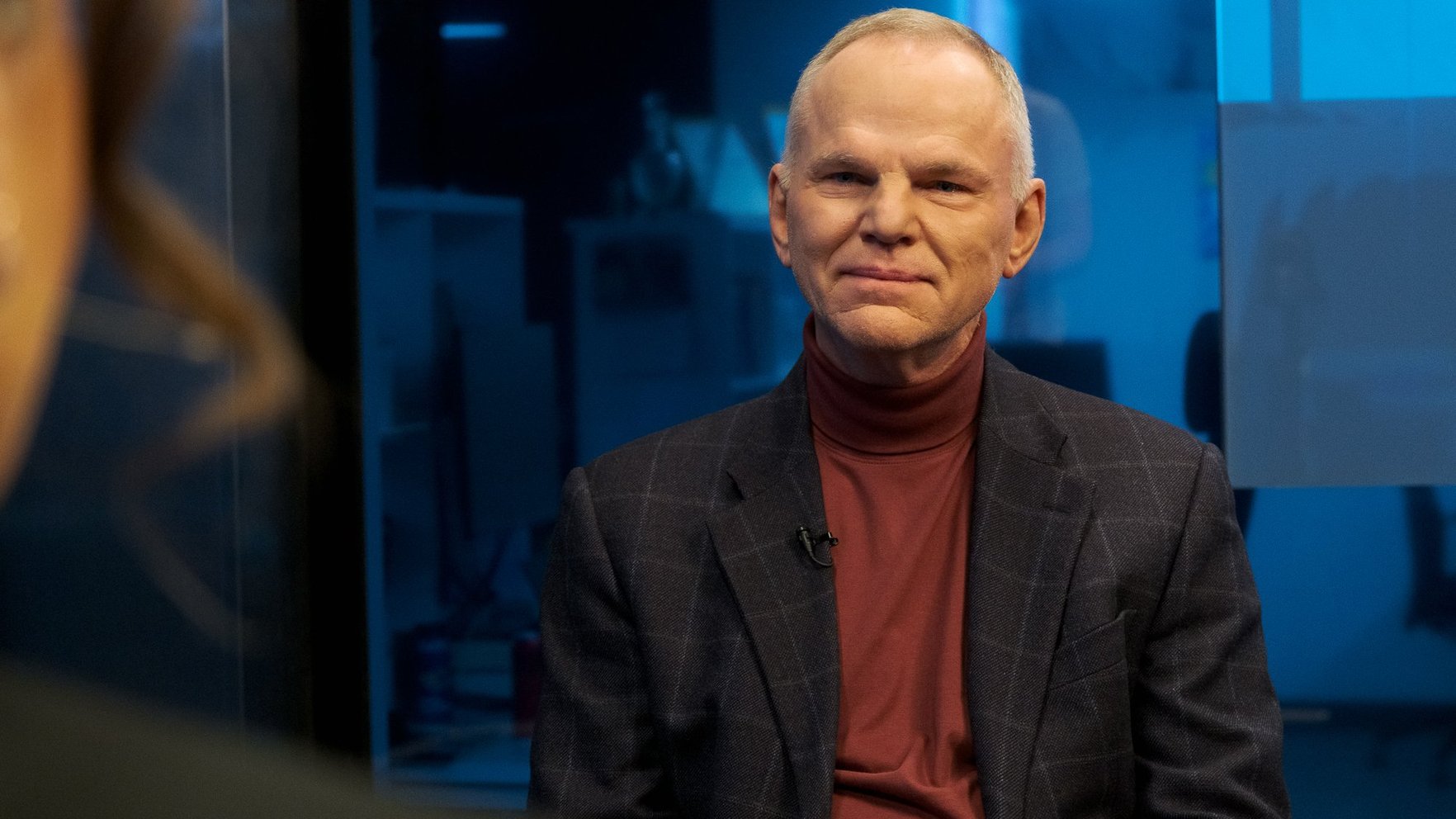
Latvian identity: Reducing Russian cultural space is a welcome step
Translated from Latvian, summarized and contextualized by DistantNews.
At a glance
Opinion
Named sources
Context piece
- A debate over excluding a director who visited Moscow from an awards nomination has sparked discussion about Russian cultural influence in Latvia.
- The culture minister's order to limit Russian language use in public cultural institutions is seen as a positive step.
- The author argues for further reducing the presence of Russian culture in Latvia, beyond current measures.
A recent controversy surrounding the exclusion of a director who visited Moscow from the "Spēlmaņu nakts" theater awards nominations has ignited a broader debate about the role of Russian culture in Latvia. The decision to remove director Ādolfs Šapiro and his New Riga Theatre production "Don Quixote" from the nominee list has become a focal point for discussions on national identity and cultural boundaries.
The public discourse, based on the decision of the "Spēlmaņu nakts" jury to exclude from the list of nominees the director who visited Moscow, Ādolfs Šapiro, and the play "Don Quixote" staged by him at the New Riga Theatre, as well as the order issued by the Minister of Culture Nauris Puntulis immediately after the Līgo holidays not to use the Russian language in public communication of cultural institutions with the public, is a welcome turning point in narrowing the unnecessarily inflated Russian cultural space in Latvia.
Adding fuel to this discussion, Latvian Culture Minister Nauris Puntulis issued an order shortly after the Līgo holidays. This directive restricts the use of the Russian language in public communications by cultural institutions. The author views this as a welcome development, aiming to narrow what is described as an "unnecessarily inflated" Russian cultural sphere within Latvia.
I am glad that the Minister of Culture has also noticed this and acted accordingly. These are definitely steps in the right direction.
The author notes that this move aligns with concerns previously raised about institutions like the Mikhail Chekhov Riga Russian Theatre operating as an "independent island" in the heart of the capital, seemingly exempt from national language laws. The minister's action is seen as acknowledging and addressing this issue, marking a step in the right direction. However, the piece suggests that these measures should not be the final word, implying a call for continued efforts to shape Latvia's cultural landscape.
However, one should not stop at what has been achieved.
DistantNews Editorial
Originally published by Delfi Latvia in Latvian. Translated, summarized, and contextualized by our editorial team with added local perspective. Read our editorial standards.
More Stories

From Our Blog

What Gets Lost (and Found) When News Is Translated

The Critical Role of Diaspora Media in Global News

What Travellers Should Know About Countries with Restricted Press

A Digital Nomad's Guide to Following Local News

How the Same Story Looks Different in Different Countries
