

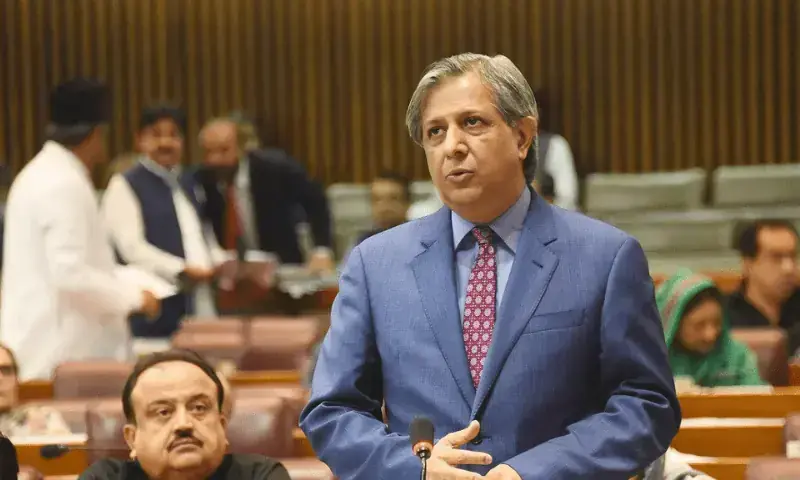
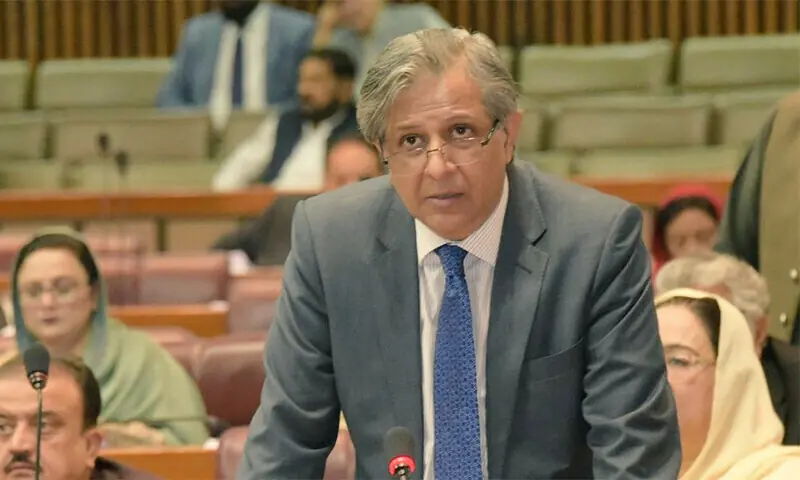
Law minister-led panel suggests major changes to language of telecom bill
Summarized and contextualized by DistantNews.
At a glance
News
Official statement
New plan
- A special committee has proposed significant changes to the language of Pakistan's Telecommunication (Re-organisation) Amendment Bill 2026.
- The committee, led by Law Minister Azam Nazeer Tarar, reviewed the bill's right-of-way provisions after objections were raised.
- The bill, previously approved by the National Assembly, aims to improve digital connectivity while protecting citizens' rights.
A high-level committee has recommended substantial revisions to the wording of Pakistan's Telecommunication (Re-organisation) Amendment Bill 2026, following controversy over several clauses. The special committee, chaired by Law Minister Azam Nazeer Tarar, submitted its report focusing on the right-of-way provisions, according to a statement from the law ministry. This development comes after the bill had already secured approval from the National Assembly earlier this month. The committee conducted a thorough review of the proposed amendments and the existing legal framework governing right-of-way. The law ministry emphasized that while the bill's primary goal is to enhance digital connectivity nationwide, it is crucial to safeguard the rights of citizens. The ministry noted that certain provisions require linguistic clarification to avoid ambiguity. The committee was formed in response to concerns raised by the Senate Standing Committee on IT & Telecom regarding the installation of telecom towers. Members of the Senate committee had pointed out that combining optic fiber and telecom tower infrastructure within a single clause was technically inaccurate and that a clear distinction between 'above-ground' and 'underground' telecom structures, rights-of-way, and related equipment is necessary. The committee's deliberations concluded that obtaining the property owner's consent and reaching a mutual agreement will be a fundamental requirement for any action on private property. The ministry stated that no action involving the use of or access to private property will be taken without this consent and agreement. Furthermore, the committee recommended clarifying the bill's application to land managed by public institutions, as well as federal, provincial, and local governments. The report also highlighted the need for clearer guidelines regarding the law's application to buildings, properties, assets, and cooperative housing societies.
the rights of citizens must also be protected.
DistantNews Editorial
Originally published by Dawn. Summarized and contextualized by our editorial team with added local perspective. Read our editorial standards.
More Stories



From Our Blog

What Gets Lost (and Found) When News Is Translated

The Critical Role of Diaspora Media in Global News

What Travellers Should Know About Countries with Restricted Press

A Digital Nomad's Guide to Following Local News

How the Same Story Looks Different in Different Countries
