


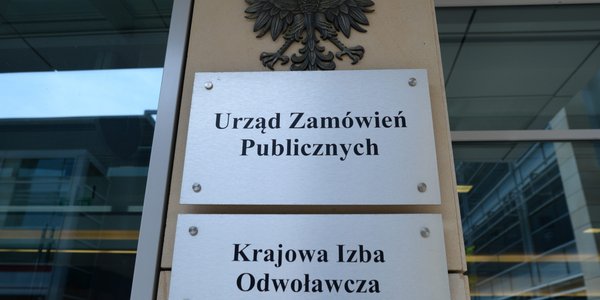
Lawyer: Amending Public Procurement Rules Will Not End Disputes Over Abnormally Low Bids
Translated from Polish and summarized by DistantNews. Read the original for the full story.
At a glance
Analysis
Documents & data
New plan
- Poland’s Public Procurement Office proposes repealing the rule that requires authorities to seek explanations when a bid is at least 30 percent below the estimated contract value or the average bid.
- Authorities would still have to investigate prices that appear abnormally low or raise doubts, but they would decide independently when to request explanations.
- The change aims to reduce formal appeals that burden the National Appeals Chamber, although lawyers warn it could produce a different source of disputes.
Poland’s proposed public procurement amendment would remove the 30 percent threshold that currently triggers a mandatory review of an unusually low bid. The threshold does not define an abnormally low price, but signals when the contracting authority must ask a bidder to explain its calculation.
Under the existing system, authorities compare bids with the estimated contract value and the average of all submitted prices. If a bid falls at least 30 percent below the relevant benchmark, the bidder must demonstrate that the price is realistic. Failure to do so can lead to rejection. Authorities may avoid the request only when they can show that the difference resulted from obvious circumstances.
The draft would retain the broader obligation to seek explanations whenever a price appears abnormally low or raises doubts. Contracting authorities would therefore have to decide themselves when a review is necessary. The proposal would also remove a reference to important cost components, narrowing the grounds for challenging understated unit prices in cost-based contracts. It would change the burden of proof in proceedings before Poland’s National Appeals Chamber.
The Public Procurement Office says the reform responds to a growing number of appeals focused on procedure rather than whether a competitor can actually perform the contract. Such appeals can force authorities to repeat the examination and evaluation of bids, including requests for explanations. The office said only about 11 percent of appeals were decided within the statutory 15-day period in 2025. The article warns that prices below real costs can damage public budgets and delay investments if contractors abandon projects, while the removal of a clear warning threshold may not eliminate disputes and could instead shift them to the judgment of individual authorities.
About this summary
Originally published by Rzeczpospolita in Polish. Translated, summarized, and contextualized automatically by DistantNews, with a note on how the source frames the story. Not individually reviewed before publishing. How this works.
More Stories



From Our Blog

What Gets Lost (and Found) When News Is Translated

The Critical Role of Diaspora Media in Global News

What Travellers Should Know About Countries with Restricted Press

A Digital Nomad's Guide to Following Local News

How the Same Story Looks Different in Different Countries
