


Learning an instrument after 40 can boost brain health, studies show
Translated from Spanish, summarized and contextualized by DistantNews.
At a glance
News
Sources not specified
Context piece
- Learning a musical instrument after age 40 can help counteract age-related cognitive decline, including brain volume reduction and impacts on executive functions and memory.
- Musical training enhances neuroplasticity, strengthening the brain's ability to reconfigure itself, and builds cognitive reserve against age-related damage.
- Playing an instrument requires coordinating multiple brain regions, improving memory, language skills, and emotional regulation, with studies showing enhanced connectivity in older adults who took music lessons.
As the brain naturally shrinks with age, a process known as cerebral atrophy can affect executive functions, memory, and coordination. However, recent studies highlight neuroplasticity – the brain's capacity to adapt – as an effective countermeasure.
the neuroplasticity, the capacity of the brain to reconfigure itself in the face of new experiences, offers an effective way to counteract this deterioration.
Learning to play a musical instrument emerges as a comprehensive exercise for fostering this adaptability and building cognitive reserve. This reserve acts as a buffer against age-related damage. The process of learning music engages multiple brain regions simultaneously, including those for hearing, music reading, and fine motor skills. This coordination strengthens the corpus callosum, the bridge between the brain's hemispheres, leading to improvements in multitasking and emotional regulation.
the 'mental scaffolding' generated by constant learning acts as a cognitive reserve against age-related damage.
Research published in 'Frontiers in Aging Neuroscience' supports these findings. Older adults who began music lessons showed improved structural connectivity in brain areas associated with language and memory. To be effective in promoting neuroplasticity, an activity must offer a constant yet achievable challenge. Experts advise choosing an instrument based on personal motivation to ensure sustained engagement.
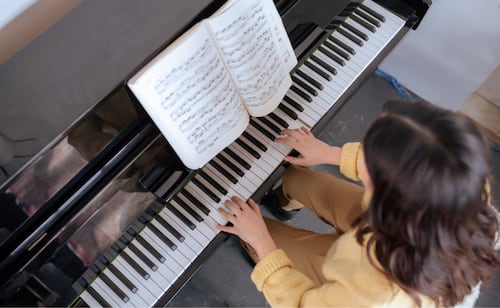
Playing an instrument is one of the activities with the greatest impact, as it requires bimanual coordination and simultaneously activates various brain regions, including those dedicated to hearing, music reading, and fine motor skills.
DistantNews Editorial
Originally published by El Universal in Spanish. Translated, summarized, and contextualized by our editorial team with added local perspective. Read our editorial standards.
More Stories



From Our Blog

What Press Freedom Means for the News You Read

What Gets Lost (and Found) When News Is Translated

The Critical Role of Diaspora Media in Global News

What Travellers Should Know About Countries with Restricted Press

A Digital Nomad's Guide to Following Local News
