


Lebanese-Israeli talks stall on election calculations, US caution
Translated from English, summarized and contextualized by DistantNews.
At a glance
News
Named sources
Context piece
- Lebanese-Israeli negotiations are stalled due to Israeli and US political calculations ahead of upcoming elections.
- The US is hesitant to pressure Israel, aiming to keep talks alive without forcing major concessions.
- Discussions focus on technical arrangements rather than political decisions, risking an open-ended process.
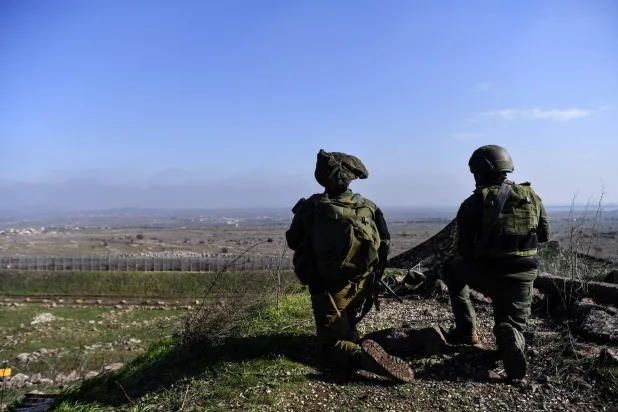
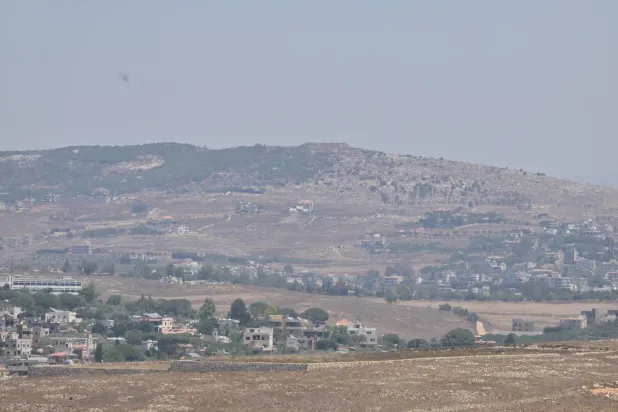
Lebanese-Israeli negotiations appear headed for a period of drift, with no serious signs that political and technical discussions will translate into practical steps. The seventh round, held in Rome last week, ended without tangible results, and the next round is scheduled for early September.
Sources following the negotiations attribute the deadlock primarily to Israeli and US political considerations. Israeli Prime Minister Benjamin Netanyahu is reportedly unwilling to make concessions before the October elections, fearing domestic political costs. This reluctance extends to approving any withdrawal from southern Lebanon that could be used against him during the campaign.
The political track will reconvene in Rome in early September, and conversations will continue in Beirut, Jerusalem, and Washington in the interim.
Washington's approach is also cautious, with the US hesitant to exert significant pressure on Netanyahu at this stage. This caution is linked to upcoming US midterm elections and the administration's desire to maintain strong ties with Israel and the American Jewish electorate. The US aims to keep the talks ongoing but not to push Israel into major steps before its political landscape clarifies.
The seventh round highlighted the limitations of the current process. Instead of agreeing on pilot areas for implementation, discussions focused on border issues, working mechanisms, and technical arrangements. Lebanon's demand for an end to the war and destruction remains unaddressed. The sources warn that this focus on mechanisms, without the necessary political decisions, risks turning the negotiations into an open-ended process with no tangible outcome. The inclusion of Israeli remains and the prisoners' file is also seen as a distraction from core issues.
If there had been a serious desire to make progress, it would at least have been possible to agree on the pilot areas and identify them by name as a prelude to implementation.
DistantNews Editorial
Originally published by Asharq Al-Awsat in English. Translated, summarized, and contextualized by our editorial team with added local perspective. Read our editorial standards.
More Stories
From Our Blog

What Gets Lost (and Found) When News Is Translated

The Critical Role of Diaspora Media in Global News

What Travellers Should Know About Countries with Restricted Press

A Digital Nomad's Guide to Following Local News

How the Same Story Looks Different in Different Countries
