

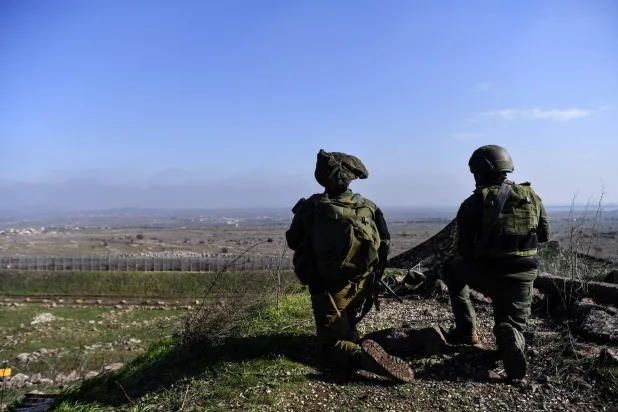

Lebanon-Israel Talks Head for Stalemate
Summarized and contextualized by DistantNews.
At a glance
News
Named sources
Context piece
- Lebanese-Israeli negotiations are stalled, with the seventh round in Rome yielding no tangible results.
- Israeli Prime Minister Netanyahu is unlikely to make concessions before the October elections due to domestic political considerations.
- The US is hesitant to exert significant pressure on Israel before its elections, aiming to keep talks alive without forcing major steps.
Lebanese-Israeli negotiations appear to be entering a period of stagnation, with no clear indications that ongoing political and technical discussions will lead to practical progress. The seventh round of talks, held in Rome last week, concluded without any concrete outcomes. A State Department official announced Tuesday that the next round is scheduled for September, with interim discussions to continue in Beirut, Jerusalem, and Washington.
Lebanese ministerial sources attribute the deadlock primarily to Israeli and US political calculations, suggesting a significant breakthrough is improbable in the immediate future. These sources informed Asharq Al-Awsat that Israeli Prime Minister Benjamin Netanyahu is unlikely to offer concessions or take substantial actions before Israel's elections in October. Given the uncertain election outcome, Netanyahu is reportedly reluctant to approve any withdrawal from southern Lebanon, fearing it could negatively impact his domestic political standing or be used against him during the campaign.
The political track will reconvene in Rome in early September, and conversations will continue in Beirut, Jerusalem, and Washington in the interim.
The United States, while sponsoring the negotiations, is also showing caution. Sources link this reluctance to US domestic politics ahead of the midterm elections and the administration's commitment to maintaining strong relations with Israel and segments of the American Jewish electorate. This limits Washington's ability to pressure the Israeli government. The US appears focused on sustaining the talks and preventing their collapse rather than compelling Israel to make major concessions before its political landscape becomes clearer.
The seventh round highlighted the limitations of the current process, according to the sources. They stated that if there were a genuine desire for progress, agreement on pilot areas, identified by name, would have been a feasible first step. Instead, discussions focused on border issues, working mechanisms, and technical arrangements, with no practical steps agreed upon, including Lebanon's demand for an end to the war and destruction. The sources expressed concern that the negotiations are increasingly centered on mechanisms and details, while the essential political decisions for implementation remain absent, risking an open-ended process with no tangible results. The inclusion of the issue of Israeli remains, linked to the prisoners' file, is also seen as diverting attention from core issues. The sources believe that if there were a serious effort to address the prisoners' issue, the International Committee of the Red Cross should be allowed to meet them, which Israel continues to refuse.
If there had been a serious desire to make progress, it would at least have been possible to agree on the pilot areas and identify them by name as a prelude to implementation.
DistantNews Editorial
Originally published by Asharq Al-Awsat. Summarized and contextualized by our editorial team with added local perspective. Read our editorial standards.
More Stories
From Our Blog

What Gets Lost (and Found) When News Is Translated

The Critical Role of Diaspora Media in Global News

What Travellers Should Know About Countries with Restricted Press

A Digital Nomad's Guide to Following Local News

How the Same Story Looks Different in Different Countries
