


Lebanon Leaders Discuss Readiness for Direct Israel Talks Post-Ceasefire
Translated from English, summarized and contextualized by DistantNews.
TLDR
- Lebanon's President and Prime Minister met to discuss preparations for direct negotiations with Israel following a ceasefire.
- The meeting assessed the post-ceasefire phase and Lebanese readiness for talks, with President Aoun emphasizing that direct negotiations are not a concession.
- Displaced southerners are returning home cautiously, while the government works on repairing infrastructure and ensuring safe return, as a truce holds after weeks of conflict.
Lebanon stands at a pivotal juncture, preparing for direct negotiations with Israel after a grueling conflict. President Joseph Aoun and Prime Minister Nawaf Salam convened on Saturday to meticulously assess the post-ceasefire landscape and solidify Lebanon's readiness for these crucial talks. This strategic alignment between the nation's top leaders signals a unified front as Lebanon navigates this sensitive new phase.
an assessment of the post-ceasefire phase and the ongoing efforts to consolidate it, and discussed Lebanese readiness for the anticipated negotiations
President Aoun's recent address to the nation underscored the significance of these impending negotiations, framing them not as a concession but as a necessary step towards establishing 'permanent agreements' with Israel. This clear stance appears to preemptively address potential criticism, particularly from factions like Hezbollah, who have historically opposed such direct engagement.
the country was entering a new phase to work on permanent agreements with Israel and insisting that direct talks were not a concession
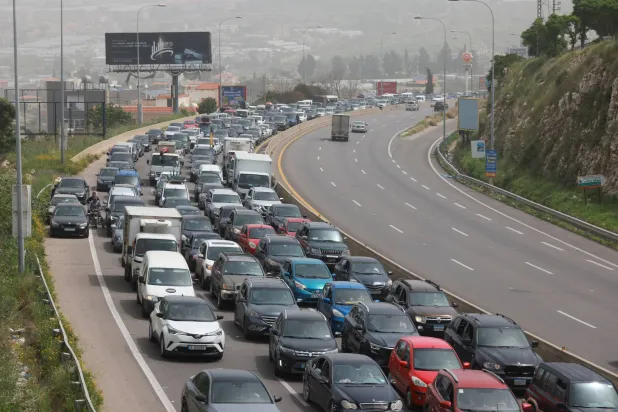
The fragile ceasefire, brokered by US President Donald Trump, has brought a much-needed respite after more than six weeks of intense conflict that resulted in significant loss of life and displacement. As the truce enters its second day, the arduous process of return has begun for many southerners. Roads are once again bustling with cars as families cautiously make their way back to inspect their homes and salvage belongings.
We do not feel safe to return, for fear that something might happen at night and I would not be able to carry my children and flee with them
However, the return is fraught with apprehension. Many, like Samah Hajoul, remain hesitant to fully resettle, fearing the potential for renewed hostilities. The government, in collaboration with military and local bodies, is actively engaged in repairing damaged infrastructure, including bridges, and ensuring the necessary supplies are available to facilitate a safe and sustainable return for the displaced population. The coming days will be critical in consolidating the ceasefire and rebuilding trust amidst the lingering uncertainty.
the displaced will be able to return safely to their homes as soon as possible after the ceasefire holds. He stressed that the government was working to facilitate this return, especially by repairing the destroyed bridges, opening roads, and providing supplies in the areas where the return will be safe and possible
DistantNews Editorial
Originally published by Asharq Al-Awsat in English. Translated, summarized, and contextualized by our editorial team with added local perspective. Read our editorial standards.
More Stories
From Our Blog

What Gets Lost (and Found) When News Is Translated

The Critical Role of Diaspora Media in Global News

What Travellers Should Know About Countries with Restricted Press

A Digital Nomad's Guide to Following Local News

How the Same Story Looks Different in Different Countries
