


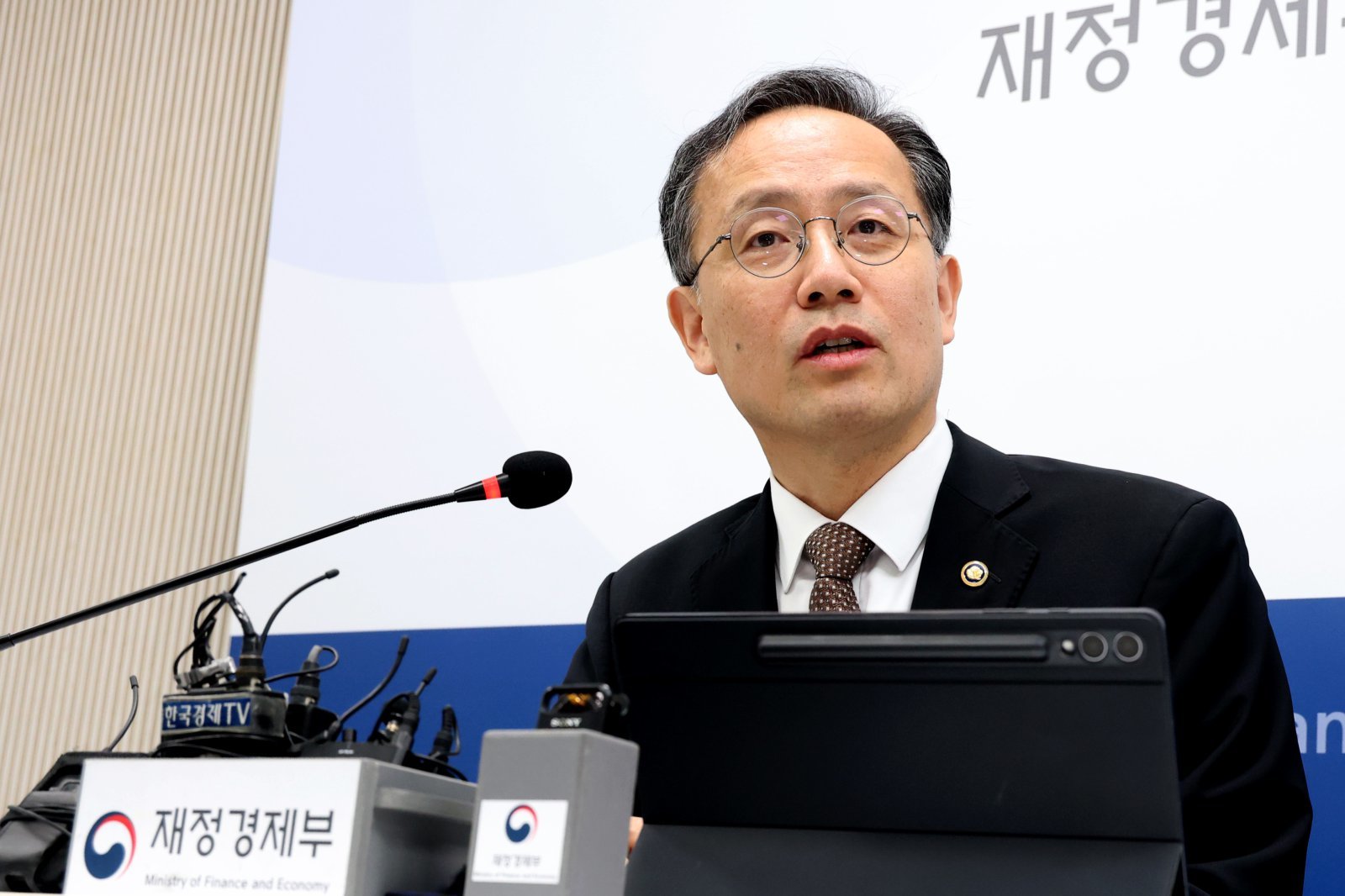
Lee Hyung-il: Non-Resident Homeowners Should Still Face a Different Tax Deduction
Translated from Korean and summarized by DistantNews. Read the original for the full story.
At a glance
News
Named sources
New plan
- Lee Hyung-il said the government should retain different basic deductions for resident and non-resident single-home owners, despite narrowing the gap.
- He said his policy priorities include stabilising consumer prices, supporting vulnerable groups and improving coordination among economic ministries.
- Lee argued that inheritance-tax changes alone cannot solve incentives to suppress share prices and called for broader capital-market reforms.
Lee Hyung-il wants South Korea’s property-tax system to keep a distinction between people who live in their single home and those who do not, even after the government narrowed the gap between them.
Speaking at his first news conference since his nomination, Lee said the 2026 tax-reform plan would retain a basic deduction of 1.2 billion won for non-resident single-home owners, rather than lowering it to 900 million won as initially announced. The deduction for owner-occupied single homes would rise from 1.2 billion won to 1.4 billion won. The difference therefore falls from 500 million won to 200 million won.
Lee said the revision reflected market concerns while giving additional benefits to people who actually live in their homes. “Even if we ease the differential, I believe there should still be a difference, which is why we divided the brackets into 1.4 billion won and 1.2 billion won,” he said. He added that the government would consider reasonable changes during parliamentary discussions.
Even if we ease the differential, I believe there should still be a difference, which is why we divided the brackets into 1.4 billion won and 1.2 billion won.
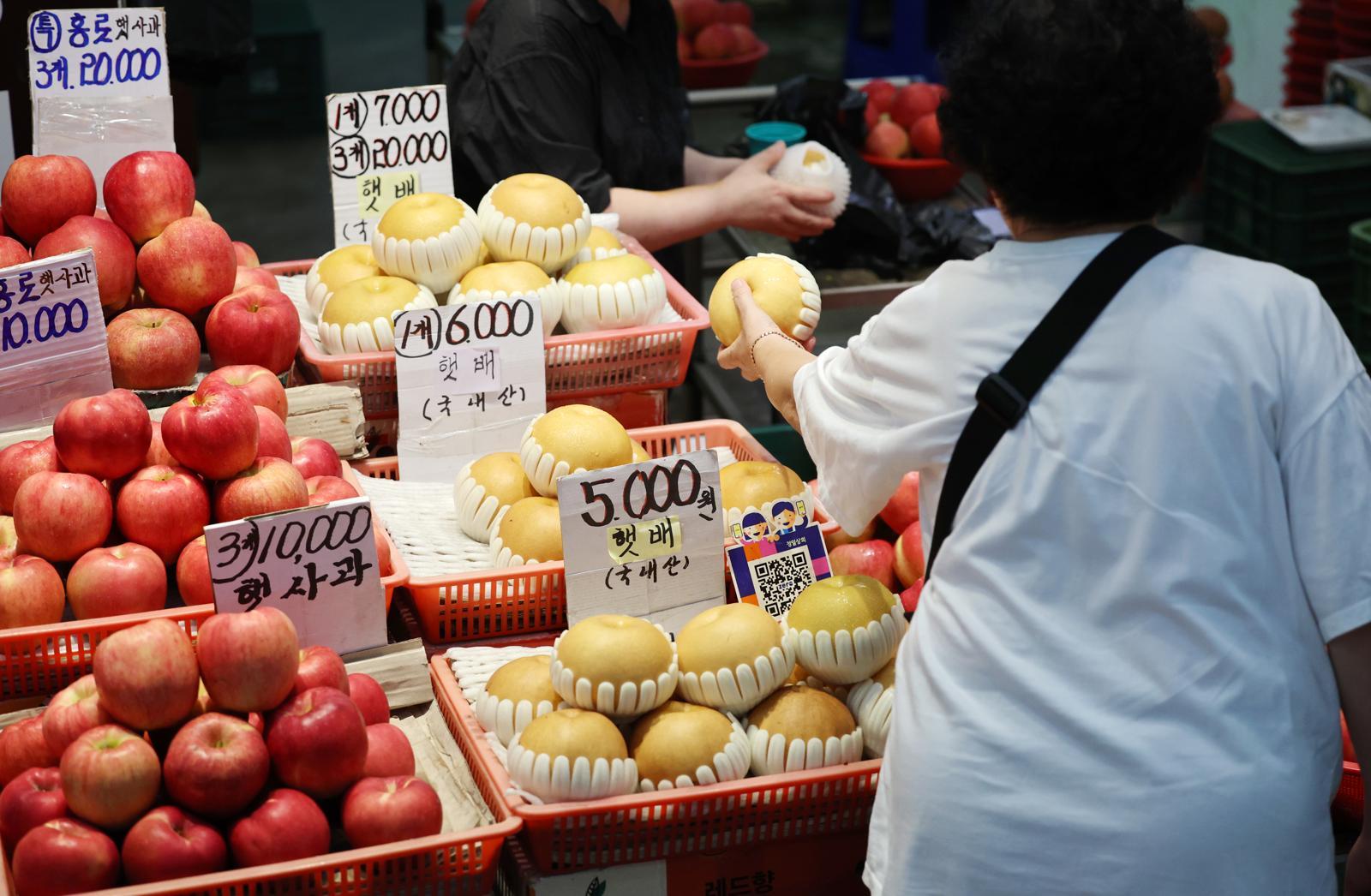
He said the government would focus its policy capacity on stabilising prices and reducing inequality. “The price of a shopping basket in people’s daily lives is the report card of the economic team,” Lee said, calling price stability the foundation of the people’s economy and the starting point for narrowing inequality. He said the government could consider additional measures for Chuseok, including greater supplies or larger discounts, after already announcing 180,000 tonnes of seasonal goods and 100 billion won in agricultural, livestock and seafood discounts.
Lee also said young people, small business owners and small and medium-sized companies should receive stronger support so they are not excluded from growth driven by the semiconductor boom. On share-price suppression during corporate succession, he said inheritance and gift-tax amendments alone would not be enough. He called for capital-market development, including possible institutionalisation of bear-hug takeover strategies, and proposed a new small-group Economic Affairs Meeting to improve coordination among ministries and the presidential office.
The price of a shopping basket in people’s daily lives is the report card of the economic team.
About this summary
Originally published by Dong-A Ilbo in Korean. Translated, summarized, and contextualized automatically by DistantNews, with a note on how the source frames the story. Not individually reviewed before publishing. How this works.
More Stories

From Our Blog

What Gets Lost (and Found) When News Is Translated

The Critical Role of Diaspora Media in Global News

What Travellers Should Know About Countries with Restricted Press

A Digital Nomad's Guide to Following Local News

How the Same Story Looks Different in Different Countries
