


Lefebryists Weren't First: Every Catholic Schism Started the Same Way
Translated from Polish, summarized and contextualized by DistantNews.
At a glance
Analysis
Sources not specified
Context piece
- The article discusses schisms within the Catholic Church, noting that the Lefebvrist movement was not the first.
- It posits that every schism begins similarly, involving disputes over papal authority and the legitimacy of decisions.
- The piece suggests that schisms often reflect the specific historical context in which they arise, yet share common underlying factors related to power struggles.
The Lefebvrist movement is not the first instance of a schism within the Catholic Church; historical divisions have followed similar patterns. The Church's history is replete with stories of schisms and divisions, though reconciliations are less frequently documented.
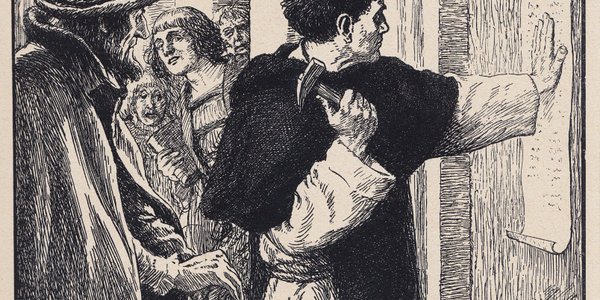
The article questions whether it is possible to reverse time and bridge centuries-old differences, especially when "schisms" have evolved into "heresies." The Reformation, for example, was not a single Protestant schism but a wave of divisions that quickly developed distinct doctrines and structures. Martin Luther's initial protest against indulgences and justification eventually led to fundamental questions about authority.
Each schism carries the weight of history. The core elements often repeat: the conviction that the Church has betrayed its faith, the belief that the Pope lacks the authority for a specific decision, or even the denial of a person's papacy. While each schism possesses unique characteristics and serves as a diagnosis of its time, a common lineage can be traced.
A schism does not begin with a simple theological disagreement. Initially, theologians, saints, or other bishops might criticize Church leaders. However, the schism solidifies when a decision by legitimate authority is deemed non-binding because that authority has exceeded its competencies. Ultimately, schism is always a dispute over power.
DistantNews Editorial
Originally published by Rzeczpospolita in Polish. Translated, summarized, and contextualized by our editorial team with added local perspective. Read our editorial standards.
More Stories


From Our Blog

What Gets Lost (and Found) When News Is Translated

The Critical Role of Diaspora Media in Global News

What Travellers Should Know About Countries with Restricted Press

A Digital Nomad's Guide to Following Local News

How the Same Story Looks Different in Different Countries
