


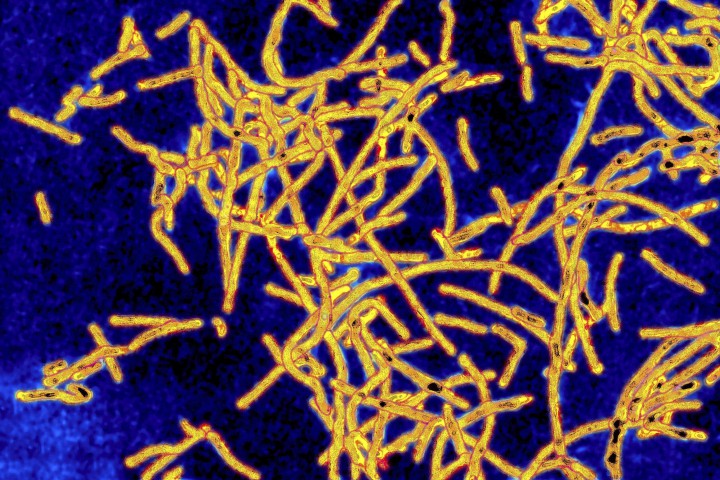
Legionnaires' Bacteria Found in NYC Museum Cooling Systems
Translated from English, summarized and contextualized by DistantNews.
At a glance
News
Official statement
Ongoing story
- Legionnaires' disease bacteria have been found in cooling systems at prominent New York City landmarks, including the Metropolitan Museum of Art and The Guggenheim.
- Authorities report 63 confirmed cases and 13 hospitalizations in the Upper East Side outbreak, but no deaths.
- The city is testing cooling towers and advises regular cleaning to prevent bacterial growth, emphasizing that tap water remains safe.
Legionnaires' disease bacteria have been detected in the cooling systems of several well-known Manhattan landmarks, including the Metropolitan Museum of Art and The Guggenheim, as an outbreak continues in New York City. While authorities state the outbreak is slowing, 63 cases and 13 hospitalizations have been confirmed in the Upper East Side neighborhoods of Carnegie Hill and Yorkville. Officials believe the bacteria originated from cooling towers in the area. No deaths have been reported in connection with the outbreak. The city's health department is actively testing all cooling towers in the affected zones. Protocol dictates that any tower testing positive must be drained. Building owners are advised by the U.S. Centers for Disease Control and Prevention to regularly clean and disinfect cooling towers and maintain adequate chlorine levels in spa pools to mitigate bacterial growth. Residents can continue to use tap water for drinking, bathing, and cooking, as the disease is not linked to a building's plumbing system. Legionnaires' disease is a severe form of pneumonia contracted by inhaling contaminated water vapor or droplets and is not spread person-to-person. While treatable, it can be fatal in approximately 10% of cases. Symptoms typically appear two days to two weeks after exposure and include fever, cough, headaches, muscle aches, and shortness of breath. Individuals over 50, smokers, those with chronic lung conditions, or weakened immune systems are at higher risk.
DistantNews Editorial
Originally published by Global News in English. Translated, summarized, and contextualized by our editorial team with added local perspective. Read our editorial standards.
More Stories



From Our Blog

What Gets Lost (and Found) When News Is Translated

The Critical Role of Diaspora Media in Global News

What Travellers Should Know About Countries with Restricted Press

A Digital Nomad's Guide to Following Local News

How the Same Story Looks Different in Different Countries
