


Ontario needs maximum temperature bylaws as extreme heat settles in: advocates
Summarized and contextualized by DistantNews.
At a glance
News
Named sources
Approved/passed
- Advocates and medical experts are calling for maximum indoor temperature bylaws in Ontario as extreme heat becomes more common.
- Several Ontario municipalities are considering or have implemented bylaws setting a maximum indoor temperature, often around 26 C, though some apply only to buildings with air conditioning.
- Health Canada has released guidance recommending a maximum indoor temperature of 26 C to protect older adults, urging policy development to address extreme heat.
As Canada experiences increasingly extreme heat, a growing chorus of medical experts and tenant advocates is pushing for maximum indoor temperature bylaws across Ontario. For decades, Canadian municipalities have enforced minimum temperature standards to combat cold weather. Now, with climate change accelerating warming trends, the focus is shifting to protecting residents from overheating indoors.
Up to this point, we’ve been experiencing cold more frequently in this area and in Canada in general. It’s been more of a concern. But now our climate is changing. We’re in the midst of climate change, and Canada is heating faster than a lot of other areas.
Dr. Henry Swoboda, an ER physician with the Canadian Association of Physicians for the Environment, highlighted the urgency. "Canada is heating faster than a lot of other areas," he told Global News, emphasizing the shift from concerns about cold to the dangers of heat. Swoboda joined advocates in Kingston, Ont., where July 15 was declared Extreme Heat Awareness Day. The group urged the city to adopt a maximum-temperature bylaw to safeguard vulnerable populations during the summer months.
We’ve seen some good progress, but we want to see full protection for all tenants with a maximum-temperature bylaw.
Chris Gusen of the Kingston Climate Justice Coalition stressed the need for comprehensive tenant protection. "We know that during the winter it would be ridiculous if your landlord could allow the temperature to fall below a certain level. So why not have a ceiling in the summer as well, especially when summers are becoming increasingly extreme?" he asked. Kingston city council has moved to implement a bylaw requiring a maximum indoor temperature of 26 C from June 1 to Sept. 30, but it will only apply to apartments already equipped with air conditioning, a limitation that has drawn criticism.
We know that during the winter it would be ridiculous if your landlord could allow the temperature to fall below a certain level. So why not have a ceiling in the summer as well, especially when summers are becoming increasingly extreme?
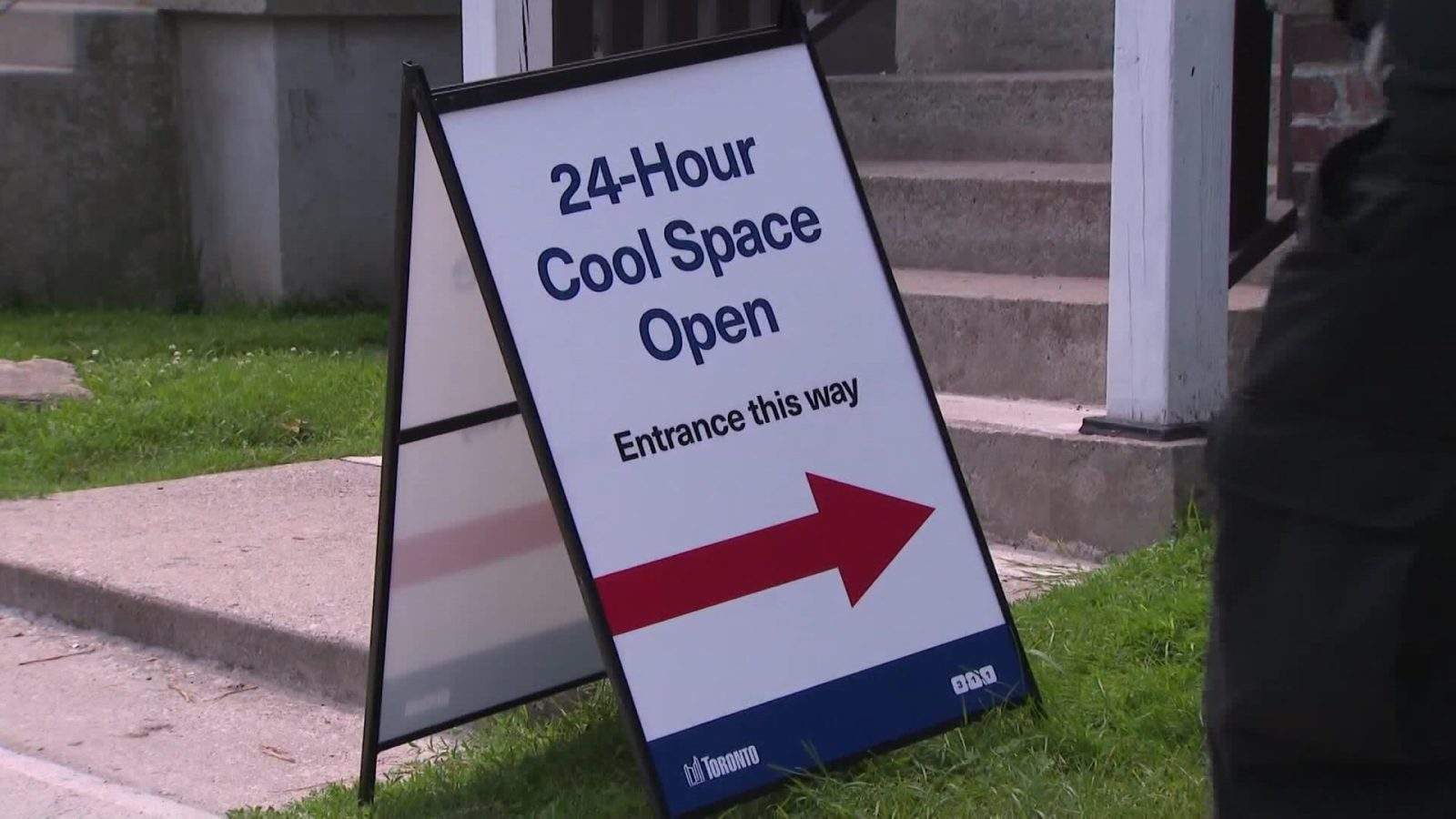
Other cities are also taking steps. Toronto requires landlords of buildings with air conditioning to maintain a maximum of 26 C and is exploring a bylaw for all buildings by June 2027. Hamilton's deadline for a similar bylaw has been extended to September. Health Canada's June 30 guidance report recommends a 26 C maximum for older adults, framing it as a health-protective threshold rather than a comfort target. The report acknowledges that this temperature may not be sufficient for all older adults, particularly those with multiple health conditions.
This recommendation is framed as a health-protective threshold and proposed action level for intervention rather than a comfort target. It also acknowledges that 26°C may not be protective of all older adults (for example, those with multiple health conditions or severe frailty).
DistantNews Editorial
Originally published by Global News. Summarized and contextualized by our editorial team with added local perspective. Read our editorial standards.
More Stories



From Our Blog

What Gets Lost (and Found) When News Is Translated

The Critical Role of Diaspora Media in Global News

What Travellers Should Know About Countries with Restricted Press

A Digital Nomad's Guide to Following Local News

How the Same Story Looks Different in Different Countries
