


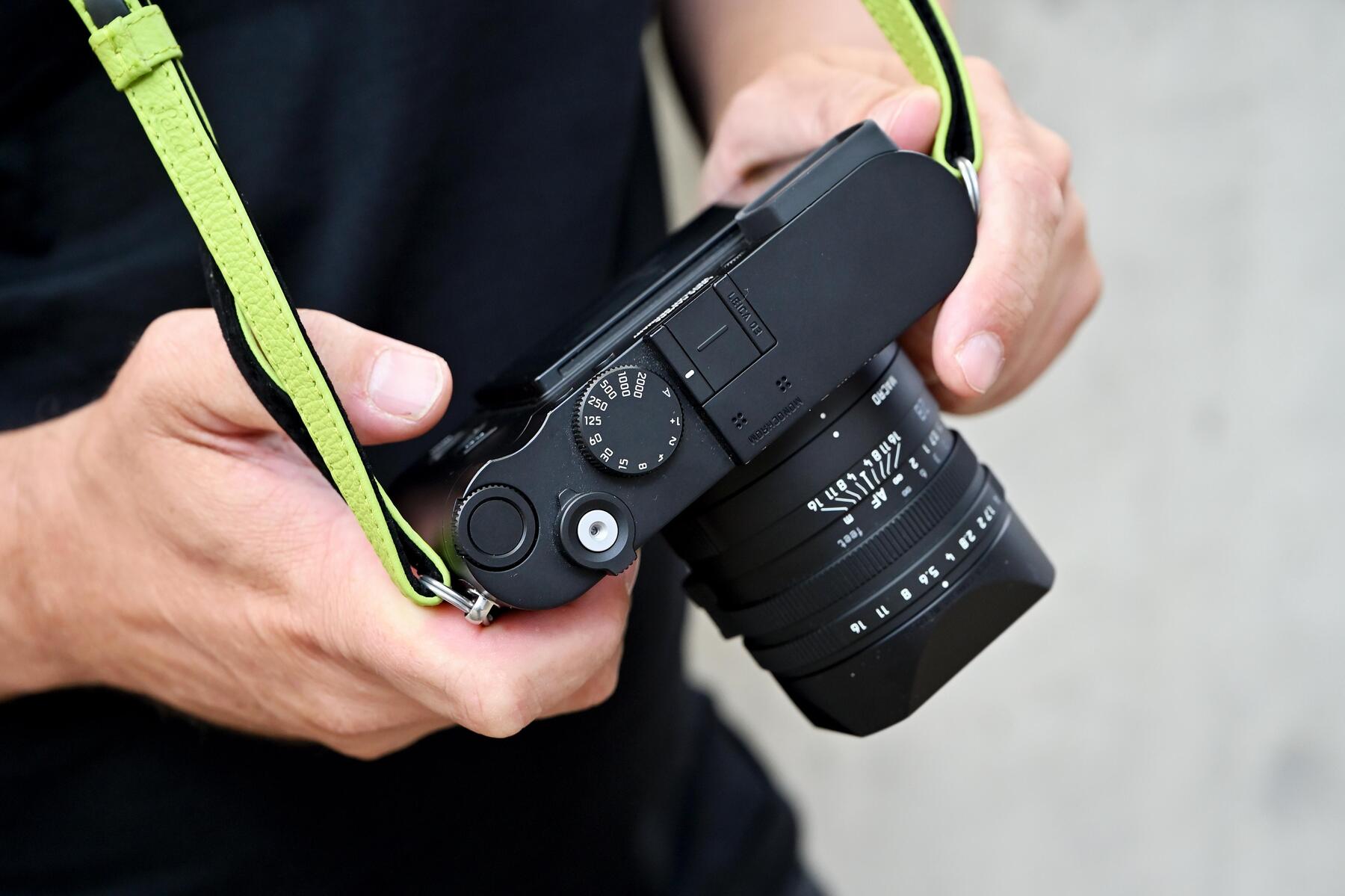
Leica Q3 Monochrom Review: When Color Only Distracts
Translated from German, summarized and contextualized by DistantNews.
At a glance
In-depth
Named sources
Context piece
- The Leica Q3 Monochrom camera, which exclusively shoots in black and white, is reviewed.
- Despite its high price, the camera appeals to a niche market valuing monochrome photography's focus on light, shadow, and contrast.
- The camera features a 60-megapixel full-frame sensor and a fixed 28mm f/1.7 Summilux lens, offering high image quality and cropping flexibility.
The Leica Q3 Monochrom, a high-end compact camera that captures images solely in black and white, is put to the test. This specialized camera, costing several thousand euros, caters to photographers who find color distracting and prioritize the artistic elements of monochrome imagery.
Photography enthusiasts argue that monochrome images derive their power from light, shadow, and contrast, rather than color. By eliminating color, these images can achieve a sense of tranquility, depth, and enhanced expression. While some critics contend that black and white does not automatically equate to art, this photographic style has maintained a dedicated following into the digital age.
Specialized monochrome cameras, like the Q3 Monochrom, utilize sensors without color filters. This design allows the sensor to capture more light, resulting in sharper images with less noise and avoiding interference patterns that can persist even after black-and-white conversion. The Q3 Monochrom is equipped with a full-frame, 60-megapixel sensor, enabling high-quality digital zooms (crops) equivalent to 35mm, 50mm, 75mm, and 90mm focal lengths, while the fixed 28mm Summilux lens maintains its wide-angle perspective.
The camera's fixed Leica Summilux 28mm f/1.7 ASPH. lens, composed of 11 elements in 9 groups, delivers exceptional sharpness, often noticeable only upon close examination of the image file. The camera's weather-sealed magnesium body and robust construction further underscore its premium status in the niche market of monochrome digital photography.
DistantNews Editorial
Originally published by Die Presse in German. Translated, summarized, and contextualized by our editorial team with added local perspective. Read our editorial standards.
More Stories



From Our Blog

What Gets Lost (and Found) When News Is Translated

The Critical Role of Diaspora Media in Global News

What Travellers Should Know About Countries with Restricted Press

A Digital Nomad's Guide to Following Local News

How the Same Story Looks Different in Different Countries
