

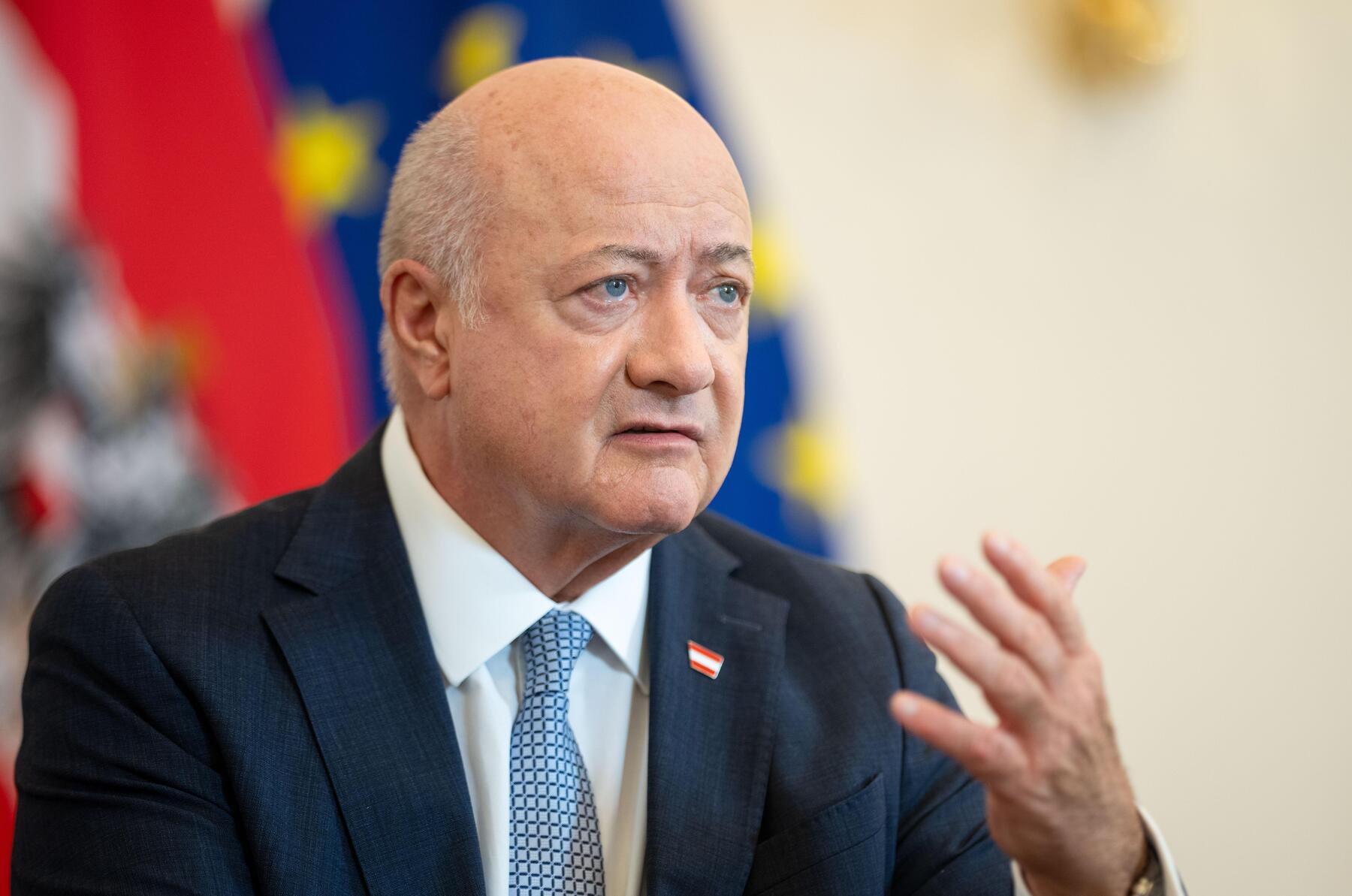

Leonore Gewessler's Experiment: An Ideologue as a 'Normalo'
Translated from German, summarized and contextualized by DistantNews.
At a glance
Opinion
Sources not specified
Context piece
- The Green Party, despite its climate-focused agenda, faces challenges in capitalizing on current environmental concerns due to past migration policies.
- Party leader Leonore Gewessler has adopted a more "normal" persona, using dialect and self-deprecating humor to appeal to a broader audience.
- The article suggests the Greens have an opportunity to differentiate themselves from the far-right FPÖ by supporting key legislation, but their future political landscape remains uncertain.
The Austrian Green Party finds itself in a complex political position, attempting to leverage heightened environmental awareness while grappling with the lingering impact of its past stances on migration. While climate issues, such as heatwaves and droughts, might seem to benefit the Greens, their electoral success in 2019 was linked to climate concerns, whereas their failure to enter parliament in 2017 was tied to migration. The party acknowledges that migration can strain systems and contribute to crime, a point previously difficult to concede. Party leader Leonore Gewessler has shifted her image from an ideologically driven politician to a more relatable "normalo," incorporating regional dialect and self-deprecating humor in online appearances. This tactical repositioning aims to broaden appeal, potentially benefiting from an "opposition bonus" in future elections, similar to the FPÖ. The Greens have two key opportunities to demonstrate a "state-carrying" approach to opposition, distinguishing themselves from the FPÖ. Firstly, supporting energy laws could secure two-thirds majorities, simplifying future legislative processes. Secondly, their stance on a civil service extension clause is critical for the broader conscription extension debate. However, the political future is uncertain, with the FPÖ's Herbert Kickl likely to be a dominant force in the next government unless the current coalition can somehow persist. The article notes the Social Democratic Party (SPÖ) is also in decline across Europe, including Austria, potentially leaving space for the Greens to position themselves to the SPÖ's left. The current Green-SPÖ coalition in Burgenland is presented as a possible model for a future "Red-Green" alliance.
DistantNews Editorial
Originally published by Die Presse in German. Translated, summarized, and contextualized by our editorial team with added local perspective. Read our editorial standards.
More Stories

From Our Blog

What Gets Lost (and Found) When News Is Translated

The Critical Role of Diaspora Media in Global News

What Travellers Should Know About Countries with Restricted Press

A Digital Nomad's Guide to Following Local News

How the Same Story Looks Different in Different Countries
