

Leprosy patients need empowerment, not just sympathy, speakers say
Translated from English, summarized and contextualized by DistantNews.
At a glance
News
Named sources
Context piece
- Speakers at a program in Kathmandu called for empowering people affected by leprosy through social security schemes to foster self-sufficiency.
- Former chief justice Kalyan Shrestha emphasized the need for legal guarantees to protect the rights and dignity of individuals with leprosy, urging a societal shift away from negative perceptions.
- Suggestions for empowerment include self-entrepreneurship programs, concessional loans, skill development training, and managed marketing for products, aiming to improve living standards and income.
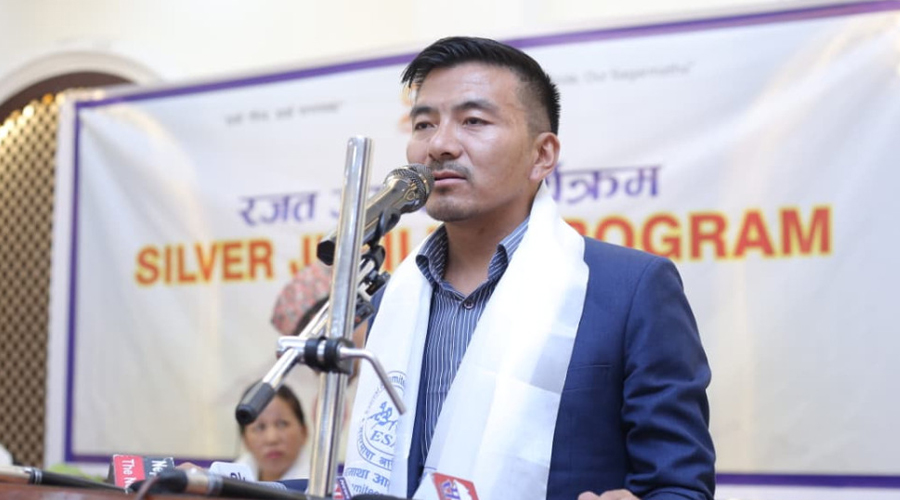
In Kathmandu, speakers at a program advocated for empowering individuals affected by leprosy through social security and self-sufficiency initiatives. Former chief justice Kalyan Shrestha highlighted that people with leprosy often face social exclusion and are deprived of education, health, and employment, stressing the imperative of legal guarantees to uphold their rights and dignity.
"Nepali society has a negative perspective towards leprosy, so it needs changing," Shrestha stated, urging the government to provide empowerment alongside social justice. Acting Mayor of Kathmandu Metropolis, Sunita Dangol, reframed leprosy as a distinct health condition rather than a problem, asserting that affected individuals must be granted rights and opportunities.
Nepali society has a negative perspective towards leprosy, so it needs changing.
Former finance secretary Sishir Dhungana proposed self-entrepreneurship programs, seed money, and concessional loans as crucial measures. He also emphasized the importance of skill development training and employment to enhance living standards, noting that managed marketing for their products would ensure income. The program noted that approximately 200,000 people in Nepal are affected by leprosy, with 30,000 disabled and 2,000-2,500 new cases annually. Madhes Province still reports over one person in 10,000 contracting the disease.
Such people must be provided rights and opportunities.
DistantNews Editorial
Originally published by OnlineKhabar English in English. Translated, summarized, and contextualized by our editorial team with added local perspective. Read our editorial standards.
More Stories


From Our Blog

What Gets Lost (and Found) When News Is Translated

The Critical Role of Diaspora Media in Global News

What Travellers Should Know About Countries with Restricted Press

A Digital Nomad's Guide to Following Local News

How the Same Story Looks Different in Different Countries
