


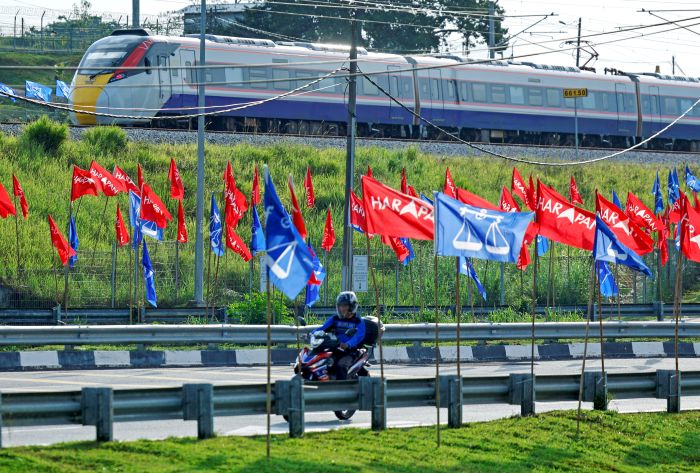
Lessons from the Johor state election
Translated from Malay, summarized and contextualized by DistantNews.
At a glance
Analysis
Sources not specified
Context piece
- The Johor state election highlighted the challenge of discerning credible information amidst a flood of digital content, including fake news and out-of-context clips.
- Modern democracy extends beyond polling stations to social media platforms where perceptions are shaped.
- Media literacy must evolve to include understanding context, identifying manipulation, and distinguishing fact from opinion and propaganda.
The recent Johor state election served as a stark reminder of the challenges in navigating today's information landscape. Voters were inundated not only with traditional campaign materials like speeches and manifestos but also with a deluge of digital content. This included short videos, digital posters, live broadcasts, WhatsApp messages, unverified screenshots, and clips of speeches presented out of context, all spreading faster than official explanations.
This experience underscores that the primary challenge in contemporary elections is no longer a lack of information, but rather the difficulty citizens face in identifying trustworthy sources within an increasingly dense sea of content. Authorities repeatedly warned about fake accounts, impersonation of candidates, and the spread of misinformation and hate speech, with numerous complaints lodged after polling day.
Democracy in the modern era unfolds across multiple arenas, extending far beyond the physical polling station. It now thrives and is significantly influenced on smartphones, within family WhatsApp groups, and across platforms like TikTok, Facebook, Instagram, and Telegram. It is within these digital spaces that public perception is often formed before individuals cast their votes.
Consequently, media literacy requires a redefinition. It can no longer be confined to simply distinguishing between true and false news. Today's media literacy must equip citizens with the ability to understand the context of information, recognize manipulated content, evaluate source credibility, and differentiate between facts, opinions, and propaganda. Many users share content not out of conviction in its truthfulness, but because it evokes strong emotions, making anger-inducing or fear-provoking material more likely to be shared than balanced explanations.
DistantNews Editorial
Originally published by Utusan Malaysia in Malay. Translated, summarized, and contextualized by our editorial team with added local perspective. Read our editorial standards.
More Stories


From Our Blog

What Gets Lost (and Found) When News Is Translated

The Critical Role of Diaspora Media in Global News

What Travellers Should Know About Countries with Restricted Press

A Digital Nomad's Guide to Following Local News

How the Same Story Looks Different in Different Countries
