

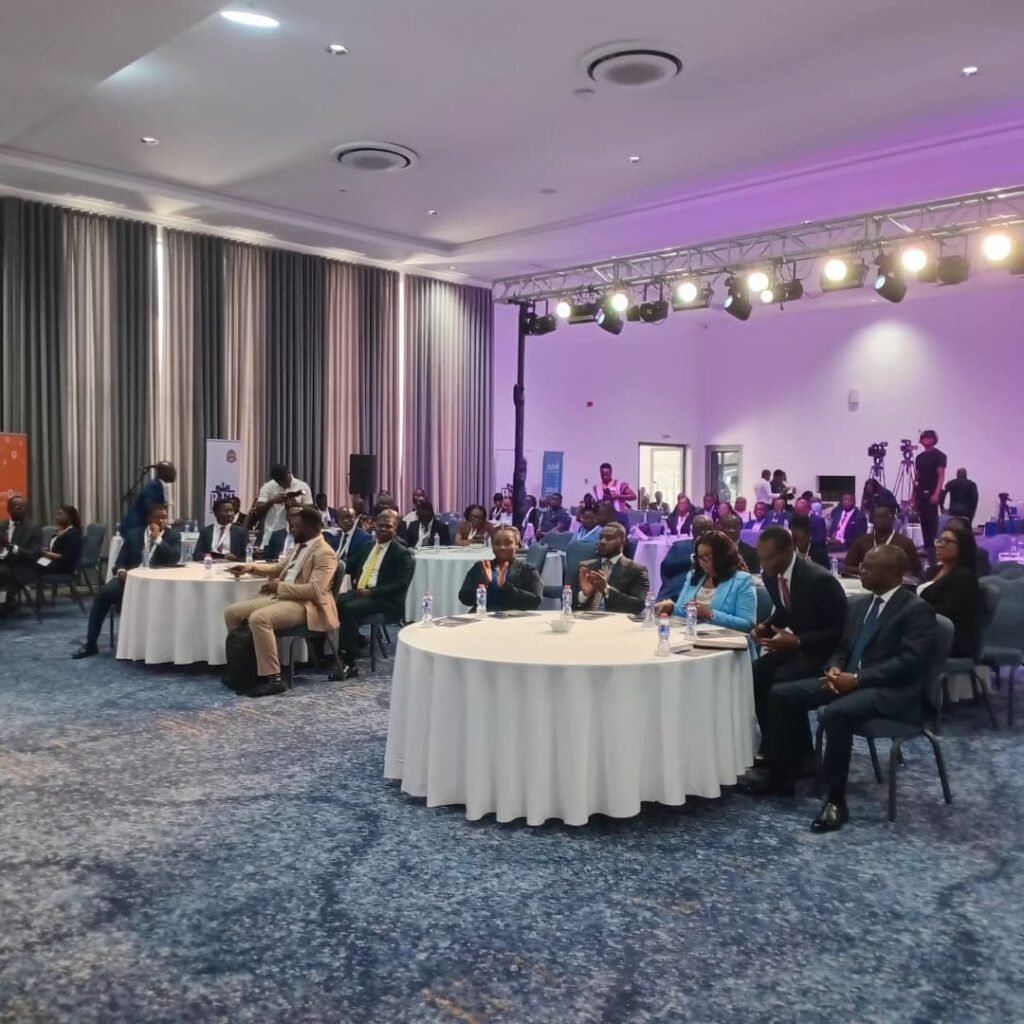

Let’s increase investment in rice sector - Vice-President urges West African countries
Summarized and contextualized by DistantNews.
At a glance
News
Named sources
Context piece
- West African nations are urged to increase investment in rice production and value addition to reduce import dependency and bolster food security.
- Despite abundant agricultural resources, the region spends billions annually on rice imports, leaving it vulnerable to global shocks.
- Ghana faces a significant rice deficit, importing $320 million worth annually, but aims for self-sufficiency within 10 years through government mapping and private sector partnerships.
Vice-President Professor Naana Jane Opoku-Agyemang has called for a significant boost in investment across West Africa's rice sector, emphasizing the need for increased production and value addition. She highlighted that despite the region's vast agricultural potential, entrepreneurial farmers, and growing markets, it continues to spend substantial amounts on food imports, with rice being a major contributor to this import bill.
Countries that import too much food also import vulnerability.
Opoku-Agyemang stressed that food security is now a critical strategic issue intertwined with macroeconomic stability, national security, and geopolitical independence. She warned that heavy reliance on food imports makes countries vulnerable, as recent global events like climate shocks, export restrictions, and geopolitical tensions have exposed the fragility of global food systems. The Vice-President urged the region to view rice as a strategic economic asset, crucial for job creation, farmer incomes, and economic resilience.
West Africa must, therefore, see rice as a strategic economic asset. It is about jobs for our young people, incomes for farmers and strengthening the resilience of our economies against future global shocks.
In Ghana, the Minister of Food and Agriculture, Eric Opoku, revealed that the country consumes approximately 1.7 million tonnes of rice annually but produces only about 960,000 tonnes, resulting in a deficit of nearly 751,000 tonnes. This shortfall necessitates annual rice imports costing around $320 million. To address this, the government is implementing measures aimed at achieving rice self-sufficiency within the next decade, including advanced satellite mapping of rice-growing areas to identify investment opportunities.
We are no longer offering vague potential, we are offering verified, location-specific, monitorable opportunities.
Thomas Nyarko Ampem, the Deputy Minister of Finance, echoed the call for action, urging West African nations to move beyond discussions and focus on mobilizing investment. He noted that the region collectively spends between $3 billion and $4 billion annually on rice imports. Ampem emphasized that the true challenge for West Africa is not about culinary competition but about achieving sufficient domestic rice production to feed its population competitively and create bankable projects that attract large-scale, long-term capital.
Therefore, the real jollof competition before us is not whose rice tastes better. It is whether West Africa can finally produce enough rice to feed itself competitively.
DistantNews Editorial
Originally published by Daily Graphic. Summarized and contextualized by our editorial team with added local perspective. Read our editorial standards.
More Stories


From Our Blog

What Gets Lost (and Found) When News Is Translated

The Critical Role of Diaspora Media in Global News

What Travellers Should Know About Countries with Restricted Press

A Digital Nomad's Guide to Following Local News

How the Same Story Looks Different in Different Countries
