

Light summer design: The living ideas of Kau Manor
Translated from German, summarized and contextualized by DistantNews.
At a glance
In-depth
Sources not specified
Context piece
- Kau Manor, a historic estate southeast of Tallinn, has been transformed by its owner, Mary Jordan, into a unique living space.
- Jordan, a filmmaker and artist, embraced the estate's history, integrating vintage pieces and local materials into her design.
- The renovation respected the property's heritage status, with Jordan emphasizing a dialogue between the house and its materials.
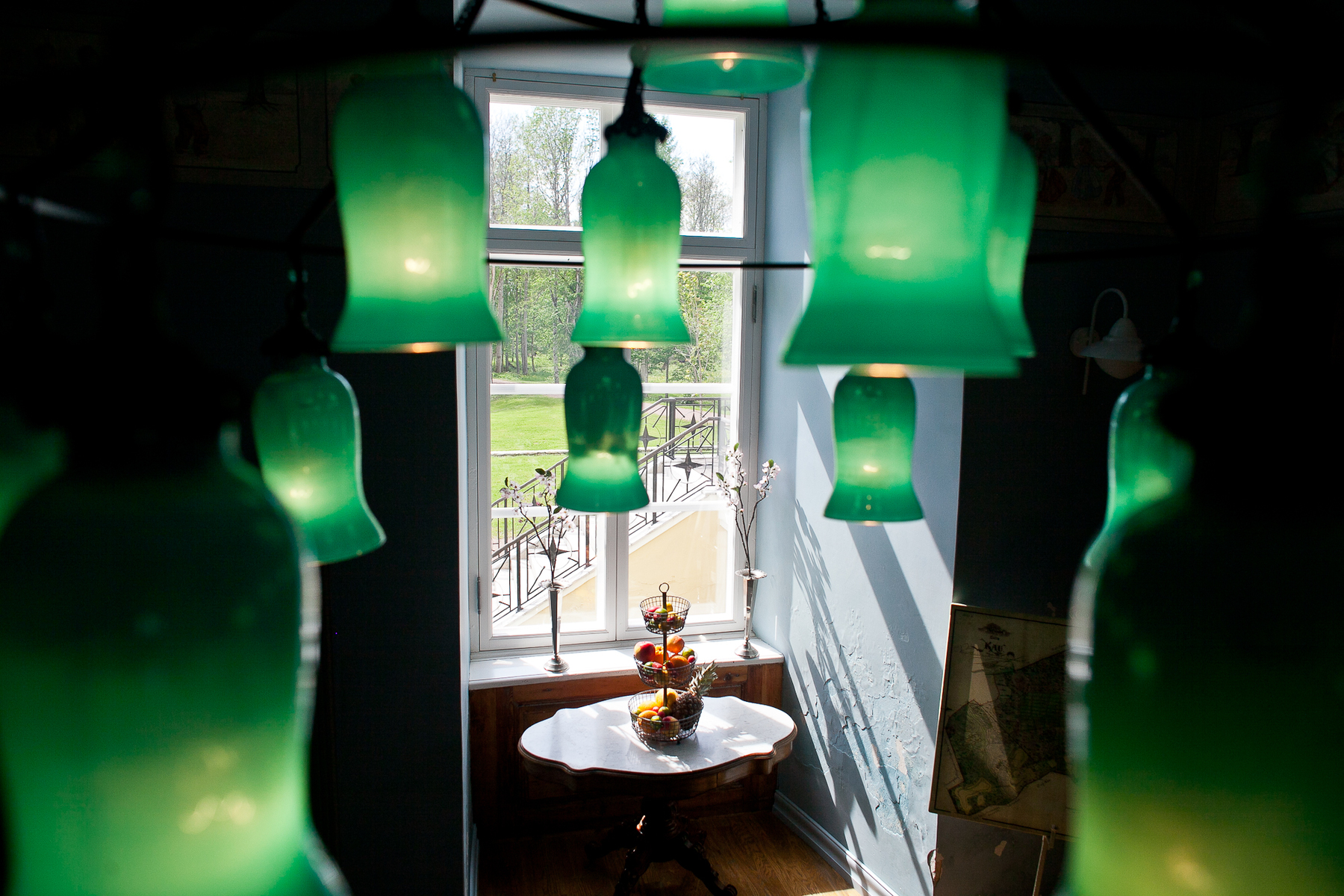
Nestled in a landscape where roads give way to forest paths, about 35 minutes southeast of Tallinn, lies Kau Manor. This historic estate is now inextricably linked with its owner, Mary Jordan, a filmmaker, artist, and interior designer known for her extensive travels and transformative approach to spaces.
The house is the best of both worlds, city and nature; it suits every creative lifestyle.
Jordan describes the house as embodying the best of both urban and natural environments, perfectly suited for a creative lifestyle. When she first encountered the property, it was little more than a stone ruin. However, the legacy of its former owner, Otto von Kotzebue, a renowned traveler and circumnavigator, captivated her. This connection resonated deeply with Jordan, given her own nomadic life, making her feel as though the place had awaited her.
Rather than simply renovating, Jordan speaks of having "allowed the house to continue living." Her curatorial approach blends vintage finds, antique furniture, and old fabrics. Kau Manor, with over 500 years of history, has seen numerous expansions and modifications. Jordan continued this evolution organically, demonstrating meticulous respect for its atmosphere.
I had to listen, to the house, the materials, the stories in the walls.
Working within the constraints of a protected cultural heritage site, Jordan navigated the balance between her vision and regulatory permissions. She emphasized the importance of listening to the house itself: "I had to listen, to the house, the materials, the stories in the walls," she explained. For her, renovation is not about imposing one's will but about engaging in a dialogue.
Renovating means for me, in principle, not asserting oneself, but entering into a dialogue.
Local craftspeople collaborated closely with Jordan, treating each beam and stone with reverence. The foundation of the renovation relied on sustainable, regional materials, chosen out of conviction rather than obligation. Jordan noted that "Estonia's nature is one of the few places in the world that is truly deeply respected," a quality she aimed to reflect in the manor's design. The result is a space free from rigidity or sterility, filled with character, vibrant colors, and a collection of objects that tell new stories in their recontextualized settings.
Estonia's nature is one of the few places in the world that is truly deeply respected.
DistantNews Editorial
Originally published by Die Presse in German. Translated, summarized, and contextualized by our editorial team with added local perspective. Read our editorial standards.
More Stories

From Our Blog

What Gets Lost (and Found) When News Is Translated

The Critical Role of Diaspora Media in Global News

What Travellers Should Know About Countries with Restricted Press

A Digital Nomad's Guide to Following Local News

How the Same Story Looks Different in Different Countries
