


Limited spots, high demand fuel intense competition for university programs in Malaysia
Translated from Malay, summarized and contextualized by DistantNews.
At a glance
News
Sources not specified
Context piece
- Competition for popular programs at Malaysian public universities is intense due to a surge in high-achieving local students and limited enrollment capacity.
- University officials state that international students primarily pursue postgraduate studies, not directly competing with local undergraduates.
- The focus is on balancing internationalization efforts with ensuring continued access for local students to higher education.
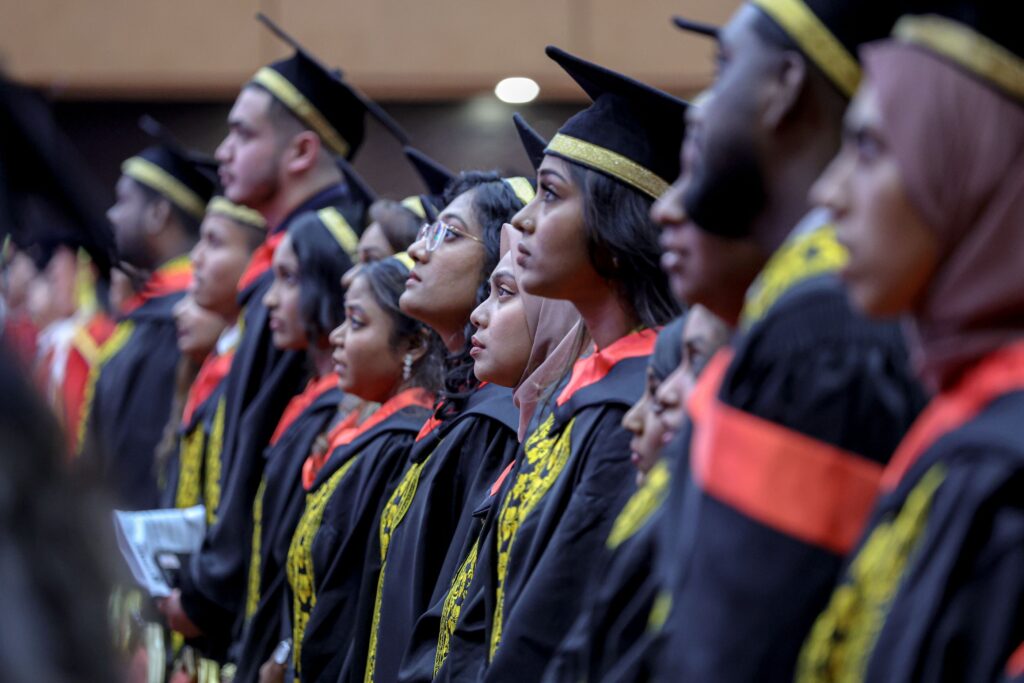
Competition for entry into popular programs at Malaysian public universities is intensifying, not primarily due to the presence of international students, but rather because of a sharp increase in the number of high-achieving local candidates vying for limited spots. This situation particularly affects students who have completed their Sijil Pelajaran Malaysia (SPM) and Sijil Tinggi Persekolahan Malaysia (STPM) qualifications.
Mohamad Adib Hazim, President of the Student Representative Council at Universiti Teknologi MARA (UiTM) Shah Alam, explained that the fierce competition is concentrated on high-demand programs such as medicine, pharmacy, law, psychology, and computer science, along with other professional fields. "When the flood of applications focuses on the same programs, a situation inevitably arises where many candidates who meet the minimum eligibility requirements still do not secure a place in their chosen program," he stated. He emphasized that the core issue is the limited availability of places for specific courses, rather than the university system closing doors to local students overall.
Adib further clarified that the majority of international students in Malaysia are enrolled in postgraduate programs, including Master's and PhD degrees. This demographic distinction, he noted, means there is no direct competition between international students and local students who have recently finished secondary school, matriculation, or diploma programs when applying for undergraduate courses.
He added that the internationalization agenda of universities is consistently pursued to bolster Malaysia's reputation as a global higher education hub. "This effort must always be balanced with the priority of ensuring that local students' access to public universities continues to be preserved and strengthened," Adib concluded. The university's efforts to attract international students are seen as a way to enhance its global standing, but this must be carefully managed to safeguard opportunities for domestic students.
DistantNews Editorial
Originally published by Utusan Malaysia in Malay. Translated, summarized, and contextualized by our editorial team with added local perspective. Read our editorial standards.
More Stories



From Our Blog

What Gets Lost (and Found) When News Is Translated

The Critical Role of Diaspora Media in Global News

What Travellers Should Know About Countries with Restricted Press

A Digital Nomad's Guide to Following Local News

How the Same Story Looks Different in Different Countries
