


Lisbon: From Maritime Power to Trendy Metropolis, Navigating Hills and History
Translated from German, summarized and contextualized by DistantNews.
At a glance
In-depth
Sources not specified
Context piece
- Lisbon's historical significance as a maritime power is showcased through monuments like the Padrão dos Descobrimentos.
- The city, built on seven hills, blends historical charm with modern trends, with former warehouses becoming trendy cafes.
- A fatal accident in September 2025 involving the Elevador da Glória has led to the temporary closure of all historic funiculars and elevators in Lisbon.
Lisbon, Portugal's capital, stands as a testament to its rich history as a global maritime power. Monuments like the Padrão dos Descobrimentos in Belém, resembling a massive ship's prow, evoke the era when Portuguese fleets charted routes along Africa's coast and discovered the sea passage to India. This expansion transformed the small kingdom into a formidable global trading force, a legacy still evident today in the 240 million people who speak Portuguese worldwide.
Explorers such as Vasco da Gama and Bartolomeu Dias, who once navigated these voyages, laid the groundwork for Portugal's historical wealth. This prosperity funded a lavish lifestyle for royalty and clergy, reflected in the Manueline architecture of the period. This style, named after King Manuel I, uniquely integrates Indian and Oriental elements with stylized stone ropes, corals, and tropical fruits, visible in the grand buildings of Belém, Cascais, and Sintra.
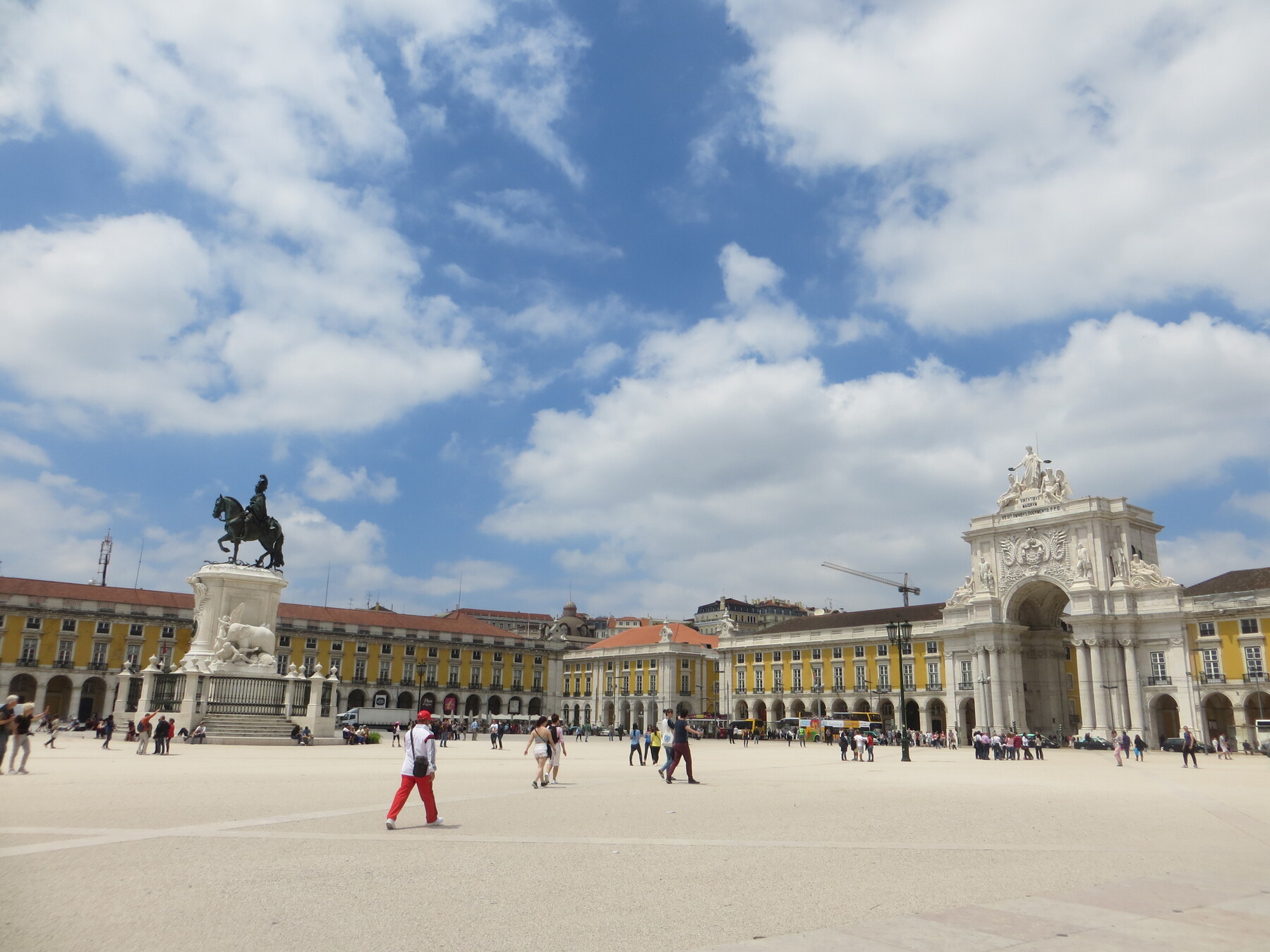
Today, Lisbon is a vibrant metropolis that harmoniously blends its past with the present. The city's famed trams still traverse its hilly streets, but modern life pulses through its neighborhoods. Once-exclusive areas now feature bustling promenades, and former warehouses have been transformed into stylish cafes. The Praça do Comércio, once a central hub for business and banking, now serves as a grand public square, with the statue of King José I overlooking the scene, framed by ministries and a monumental triumphal arch.
Accessing the upper parts of the city has been impacted by a tragic event. Following a fatal accident on the Elevador da Glória in September 2025, which resulted in 16 fatalities, all of Lisbon's historic funiculars and elevators have been temporarily suspended. This closure affects iconic structures like the Elevador de Santa Justa, a popular means for navigating the city's inclines.
DistantNews Editorial
Originally published by Die Presse in German. Translated, summarized, and contextualized by our editorial team with added local perspective. Read our editorial standards.
More Stories



From Our Blog

What Gets Lost (and Found) When News Is Translated

The Critical Role of Diaspora Media in Global News

What Travellers Should Know About Countries with Restricted Press

A Digital Nomad's Guide to Following Local News

How the Same Story Looks Different in Different Countries
