


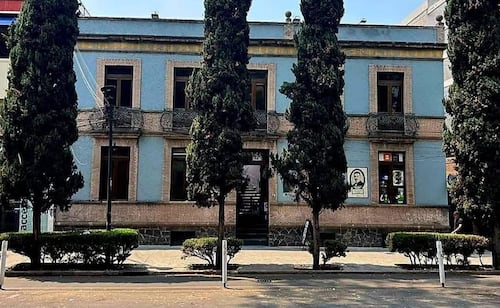
Literary community outraged as Mexico City museum becomes cabaret
Translated from Spanish, summarized and contextualized by DistantNews.
At a glance
News
Named sources
Outcome reported
- The Casa Museo Ramón López Velarde, a literary landmark, has closed after 33 years to become a public cabaret.
- Mexico's literary community has expressed outrage and dismay over the transformation.
- Concerns have been raised about the fate of the museum's collection and the perceived disrespect to Mexican poetry.
Mexico City's literary community is in an uproar following the abrupt closure of the Casa Museo Ramón López Velarde, a cultural institution that operated for 33 years. The venue, dedicated to the poet Ramón López Velarde, has been transformed into a public cabaret under the administration of the Mexico City Secretariat of Culture.
A greater disgrace to Mexican poetry.
Writers and intellectuals have decried the decision, with Ernesto Lumbreras calling it "a greater disgrace to Mexican poetry" and an act of "authoritarianism" driven by the Secretariat's "personal interests." The transformation into a cabaret has been widely criticized as a disrespectful and inappropriate use of a space dedicated to literary heritage.
Another whim born of authoritarianism.
Myriam Moscona, a member of the museum's first board, expressed deep sadness, stating that "culture is weakened and deflated." She questioned the whereabouts of a collection of 70 photographs by Rogelio Cuéllar that were housed at the museum. Other writers, including Tedi López Mills and Sergio Téllez-Pon, have voiced their indignation and horror at the change.
culture is weakened and deflated.
Blanca Luz Pulido lamented the loss of "cherished traditions and even memory" in Mexico City and the country, while Malva Flores described the situation as "incredible" and characteristic of the current administration's approach. The closure and repurposing of the Casa Museo Ramón López Velarde has ignited a passionate debate about the preservation of cultural spaces and the value placed on literary history in Mexico City.
it made me cry.
DistantNews Editorial
Originally published by El Universal in Spanish. Translated, summarized, and contextualized by our editorial team with added local perspective. Read our editorial standards.
More Stories

From Our Blog

What Press Freedom Means for the News You Read

What Gets Lost (and Found) When News Is Translated

The Critical Role of Diaspora Media in Global News

What Travellers Should Know About Countries with Restricted Press

A Digital Nomad's Guide to Following Local News
