


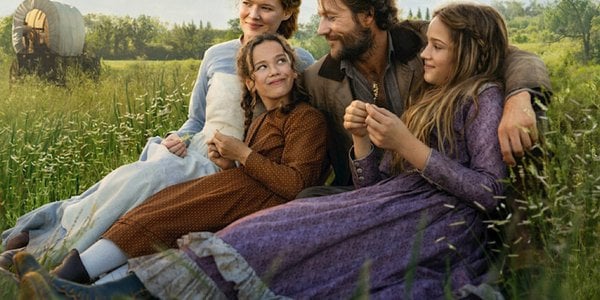
"Little House on the Prairie": A nostalgic frontier revisited with modern sensitivities
Translated from Polish, summarized and contextualized by DistantNews.
At a glance
Analysis
Sources not specified
Context piece
- Netflix has released a new adaptation of the classic 1970s-80s series "Little House on the Prairie."
- The new version aims to balance the original's warm, optimistic family atmosphere with a modern acknowledgment of previously ignored issues like Indigenous displacement and land appropriation.
- While retaining the core spirit of the original, the adaptation seeks to be more inclusive and address sensitive topics that the classic series overlooked.
The beloved 1974-1982 television series "Little House on the Prairie," based on Laura Ingalls Wilder's books, has found new life on Netflix with a contemporary reinterpretation.
This new adaptation, produced by Rebecca Sonnenshine, seeks to capture the heartwarming and optimistic essence that made the original a cultural touchstone for generations. The series, which experienced a resurgence in popularity during the pandemic, offers viewers an escape into a colorful and comforting world.
However, the Netflix version does not shy away from addressing historical complexities that the original series largely omitted. While maintaining the show's core family values and positive outlook, the creators have incorporated perspectives on sensitive issues such as the displacement of Indigenous peoples and the widespread appropriation of land. This approach aims to provide a more nuanced and historically aware narrative.
The production is described as "pleasant, but painfully conservative, correct, and aimed at the widest possible audience." It endeavors to strike a balance, honoring the spirit of the classic while introducing new perspectives and acknowledging uncomfortable truths, offering a familiar yet more inclusive vision of frontier life.
DistantNews Editorial
Originally published by Rzeczpospolita in Polish. Translated, summarized, and contextualized by our editorial team with added local perspective. Read our editorial standards.
More Stories


From Our Blog

What Gets Lost (and Found) When News Is Translated

The Critical Role of Diaspora Media in Global News

What Travellers Should Know About Countries with Restricted Press

A Digital Nomad's Guide to Following Local News

How the Same Story Looks Different in Different Countries
