

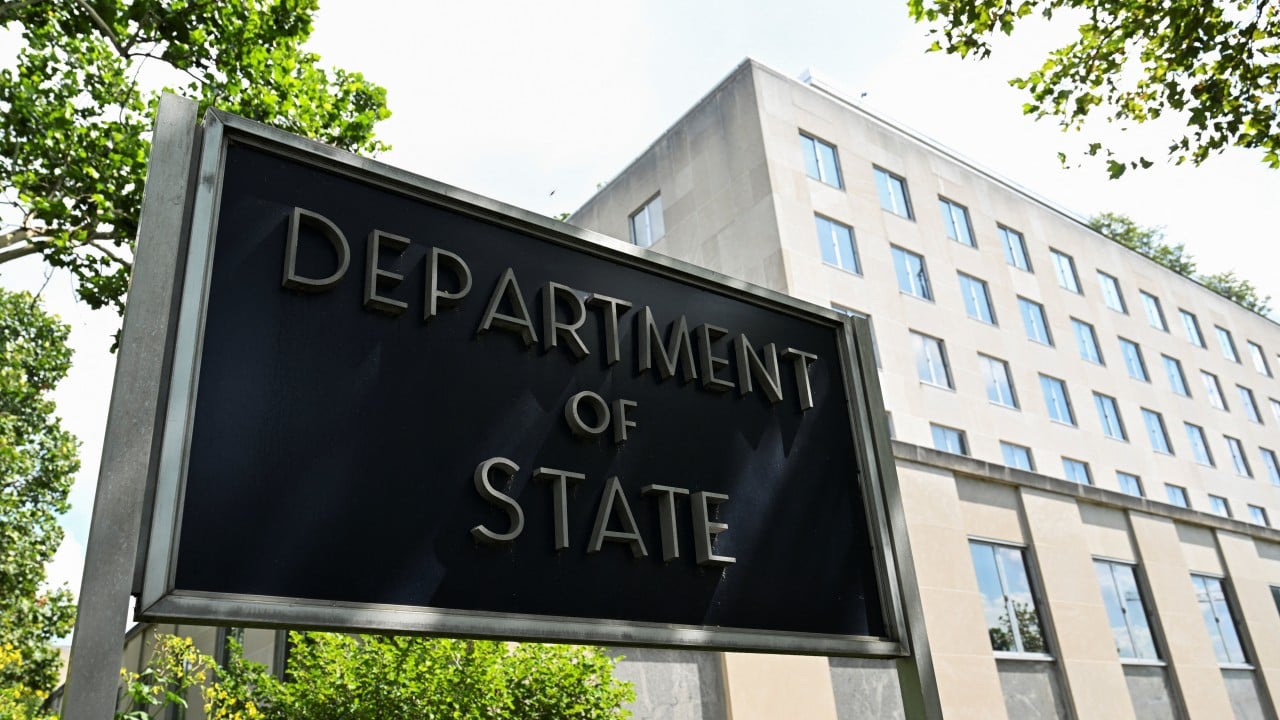

Little surprise Beijing doesn’t want Western advice for its economy
Summarized and contextualized by DistantNews.
At a glance
Analysis
Named sources
Context piece
- China's economic strategy is driven by preparation for prolonged strategic rivalry with the United States, not just short-term GDP growth.
- Western economists suggest China's economic issues stem from weak consumption and property downturn, recommending policy shifts.
- Beijing is prioritizing reduced technological dependence and preserved industrial capacity to withstand Western pressure, viewing its economic challenges through a different lens than the West.
Beijing's approach to its economy, often perceived as policy paralysis by Western observers, is better understood as a strategic recalibration in preparation for prolonged rivalry with the United States.
Western economists identify China's economic ailments as weak consumption, a protracted property downturn, deflationary pressures, a substantial trade surplus, and indebted local governments. Their standard prescription involves transferring more income to households, bolstering the social safety net, and reducing reliance on investment, exports, and manufacturing.
While Beijing has made some moves in these directions, the scale and decisiveness often fall short of external expectations. This divergence stems from a fundamental difference in perspective: China believes it is addressing a distinct set of challenges. The country is no longer solely optimizing for short-term GDP growth. Instead, it is focused on reducing technological dependence, preserving industrial capacity, and withstanding extended periods of Western pressure, as noted by economist Tan Kong Yam and others.
This strategic outlook means GDP remains important but is no longer the sole determinant of Beijing's calculations. China still possesses fiscal capacity, particularly at the central government level. However, the true extent of the debt burden is understated by headline figures due to borrowing through local government financing vehicles and other off-balance-sheet arrangements. Beijing has begun to address this by moving some hidden local debt onto official balance sheets through a multi-year debt-swap program.
DistantNews Editorial
Originally published by South China Morning Post. Summarized and contextualized by our editorial team with added local perspective. Read our editorial standards.
More Stories
From Our Blog

Countries Without a Free Press: What You Need to Know

What Press Freedom Means for the News You Read

What Gets Lost (and Found) When News Is Translated

The Critical Role of Diaspora Media in Global News

What Travellers Should Know About Countries with Restricted Press
