

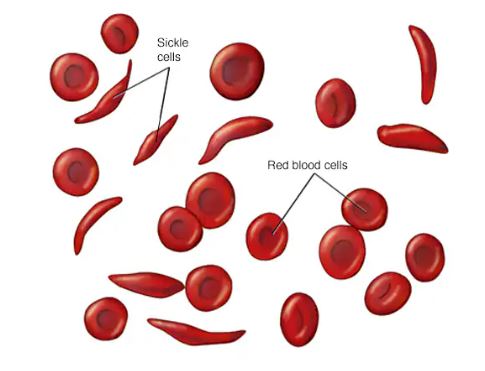

Living with SCD: Finding strength, nourishment, and hope through everyday choices
Summarized and contextualized by DistantNews.
At a glance
In-depth
Sources not specified
Context piece
- Living with Sickle Cell Disease (SCD) requires resilience and patience, with health often measured by small, everyday choices rather than major events.
- Nutrition plays a crucial role, as the body constantly works to replace damaged cells, manage inflammation, and repair tissues, requiring consistent support.
- Simple daily habits like drinking more water, eating leafy greens, reducing sugar, and consuming regular meals are vital for managing SCD, emphasizing that health is built through consistent choices.
Living with Sickle Cell Disease (SCD) is a continuous lesson in patience, resilience, and the profound importance of small, daily choices. For individuals managing this chronic illness, health is not solely defined by major medical events like surgeries or hospital discharges, but rather by the quiet accumulation of everyday decisions.
Living with Sickle Cell Disease teaches you many things. It teaches patience when your body refuses to cooperate. It teaches resilience when pain arrives uninvited. It teaches humility when you realise that some days, simply getting out of bed is an achievement. But perhaps one of the most important lessons chronic illnesses teach is that life is often lived in small steps rather than giant leaps.
The body of someone with SCD is in a constant state of internal work: replacing damaged red blood cells, managing inflammation, repairing tissues, and coping with reduced oxygen delivery, all while fighting fatigue. This invisible workload necessitates a strong focus on nutrition. Food becomes a critical tool not to cure SCD, but to support the body's persistent efforts.
This means that nutrition matters, not because food can cure SCD, but because the body needs support to keep doing the difficult work it performs every day.
Perspective on food shifts dramatically when living with a chronic illness. What was once simply about satisfying hunger evolves into a conscious consideration of how meals impact energy levels and recovery. The focus moves from occasional treats to asking, "Will this food support my body's needs?" This awareness, rather than a pursuit of perfection, guides choices.
These questions are not about perfection. They are about awareness. The longer you live with a condition such as SCD, the more you realise that the body notices what you feed it.
Many mistakenly believe that managing health requires drastic, complicated changes. However, the most impactful strategies are often surprisingly simple. These include increasing water intake, consuming more leafy greens and fruits, reducing excessive sugar, and eating regular meals without long periods of fasting. These consistent, often unglamorous, habits are the building blocks of health for those living with SCD. The article also touches upon the value of reconnecting with traditional foods, rich in nutrients and minimally processed, which supported health naturally long before modern dietary trends.
None of these choices are exciting enough to go viral on social media. Yet they often matter more than the latest health trend. Health is rarely built in a single day. It is built meal by meal, habit by habit, choice by choice.
DistantNews Editorial
Originally published by The Punch. Summarized and contextualized by our editorial team with added local perspective. Read our editorial standards.
More Stories


From Our Blog

How the Same Story Looks Different in Different Countries

What Gets Lost (and Found) When News Is Translated

The Critical Role of Diaspora Media in Global News

What Travellers Should Know About Countries with Restricted Press

A Digital Nomad's Guide to Following Local News
