


Los Angeles evolves into a futuristic travel destination with AI and autonomous driving
Translated from Korean and summarized by DistantNews. Read the original for the full story.
At a glance
News
Sources not specified
Context piece
- Los Angeles is transforming into a futuristic travel destination by integrating advanced technologies like AI and autonomous driving into its tourism offerings.
- Innovations include AI-powered museums, autonomous vehicles for city travel, robot massages, and immersive sports experiences.
- The city is enhancing its tourism infrastructure in preparation for major upcoming events like the 2027 Super Bowl and the 2028 Olympics and Paralympics.
Los Angeles is rapidly evolving into a cutting-edge travel destination, seamlessly blending advanced technology with the tourism experience. Visitors can now engage with art in AI-powered museums, navigate the city in self-driving cars, and even enjoy robot massages and immersive sports spectating. This technological integration is set to redefine the visitor experience, particularly as the city gears up to host major international events.
The city's tourism infrastructure is undergoing a significant upgrade, driven by the upcoming 2027 Super Bowl LXI and the 2028 Los Angeles Olympic and Paralympic Games. From the moment travelers arrive at Los Angeles International Airport (LAX), technology is enhancing efficiency and convenience. LAX is implementing biometric and automated check-in processes, mobile passport control, and an automated electric people mover, the SkyLink, to streamline arrivals and internal transit.
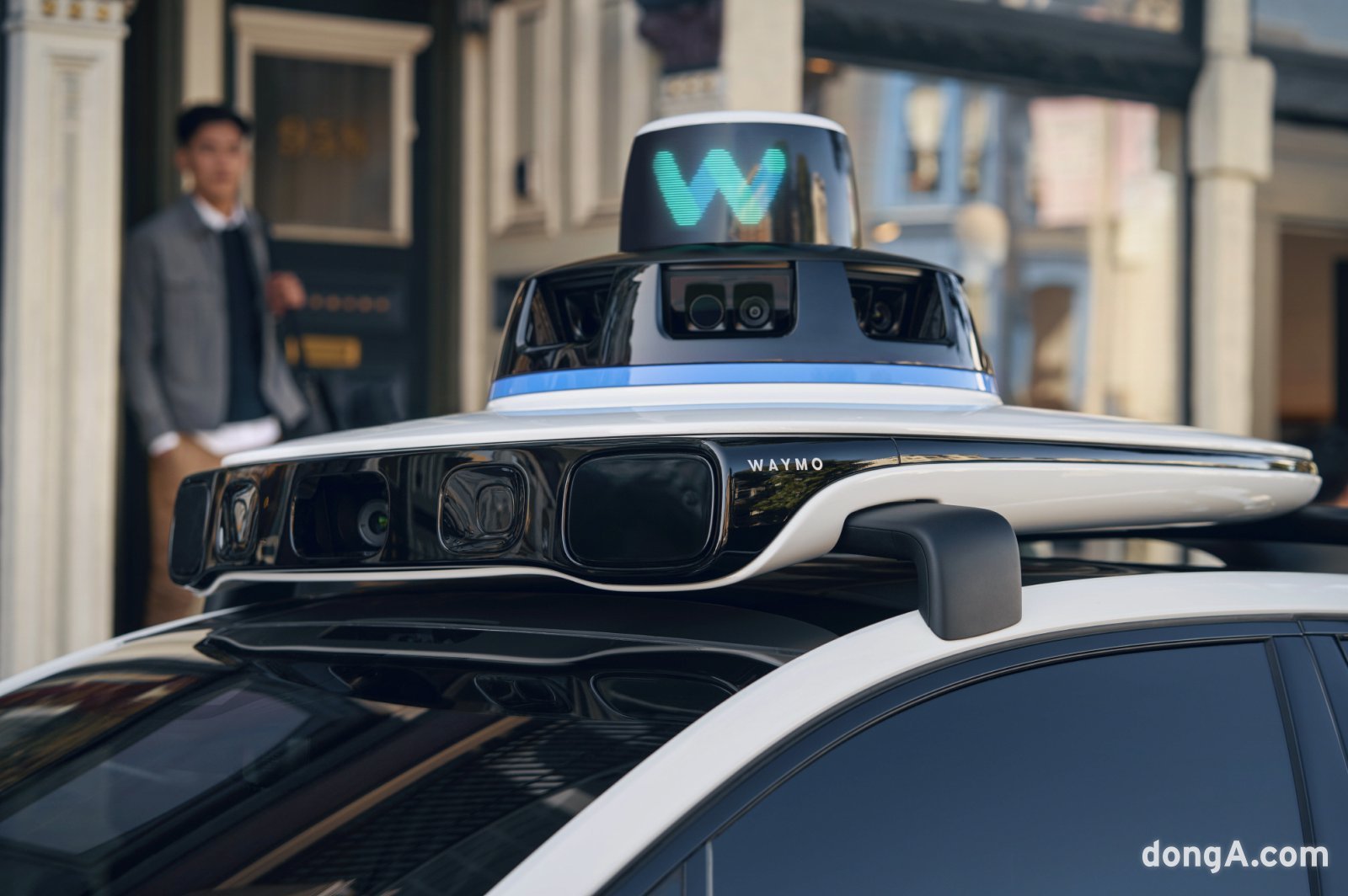
Beyond the airport, autonomous vehicle services like Waymo are offering residents and tourists a glimpse into the future of urban mobility. These vehicles utilize AI, sensors, and real-time mapping to provide driverless transportation. Delivery robots are also becoming a common sight, showcasing how autonomous technology is integrating into daily city services. Even iconic routes like Route 66 are embracing the future, with the Tesla Diner combining dining, a drive-in theater, and EV charging facilities.
Accommodation and wellness are also embracing technological advancements. Hotels like the W Hollywood are offering AI-driven soundscapes that adapt to guest preferences, while advanced robot massage systems analyze physical structures and muscle tension for personalized wellness treatments. The Conrad Los Angeles spa utilizes private recovery cabins with infrared mats, sound therapy, and air compression boots, alongside LED light therapy and cryotherapy, to combat jet lag and fatigue.
Sports venues are transforming into hubs of immersive entertainment. COSM Los Angeles provides a "shared reality" experience through ultra-high-definition dome screens and spatial audio, making distant sporting events feel as though they are being watched live from the stadium floor. The LA Clippers' new home, Intuit Dome, will feature facial recognition for seamless entry and purchases, alongside personalized services via a dedicated app. SoFi Stadium enhances the fan experience with its massive dual-sided 4K "Infinity Screen" and integrated digital services, positioning itself as a key venue for the 2028 Olympics.
About this summary
Originally published by Dong-A Ilbo in Korean. Translated, summarized, and contextualized automatically by DistantNews, with a note on how the source frames the story. Not individually reviewed before publishing. How this works.
More Stories

From Our Blog

What Gets Lost (and Found) When News Is Translated

The Critical Role of Diaspora Media in Global News

What Travellers Should Know About Countries with Restricted Press

A Digital Nomad's Guide to Following Local News

How the Same Story Looks Different in Different Countries
