

Low-pressure zone in Tamaulipas generates heavy rains in four states; showers expected in much of the country
Translated from Spanish, summarized and contextualized by DistantNews.
At a glance
News
Official statement
Ongoing story
- A low-pressure system in the Gulf of Mexico is forecast to bring heavy to intense rainfall to northeastern, eastern, and central Mexico, with specific warnings for Nuevo León, Tamaulipas, Veracruz, and San Luis Potosí.
- Simultaneously, a combination of weather systems, including tropical wave No. 7, will cause showers and strong rains across most of the country.
- Civil Protection authorities are monitoring the situation, coordinating with state officials, identifying critical points, and preparing temporary shelters.
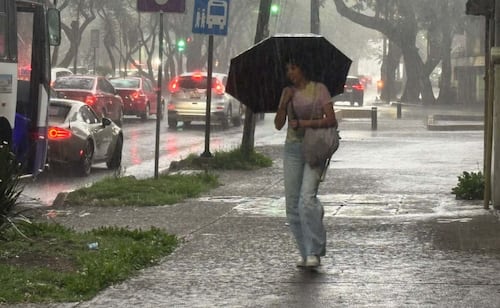
Mexico's National Civil Protection Coordination (CNPC) is closely monitoring a low-pressure system in the Gulf of Mexico that is expected to generate significant rainfall across several regions. The system is projected to move into Tamaulipas and then northeastward, bringing heavy to intense rains to Nuevo León, Tamaulipas, Veracruz, and San Luis Potosí.
In addition to this primary system, the interaction of a cyclonic circulation, a mid-level trough, a cold front, and tropical wave number 7 will contribute to widespread showers and strong rains throughout much of the country. Forecasters anticipate precipitation in states including Sonora, Sinaloa, Nayarit, Jalisco, Chihuahua, Durango, Zacatecas, Aguascalientes, Guanajuato, Coahuila, Querétaro, Hidalgo, Tlaxcala, State of Mexico, Mexico City, Morelos, Puebla, Chiapas, Colima, Michoacán, Guerrero, Oaxaca, Tabasco, Campeche, Yucatán, and Quintana Roo.
Authorities are actively coordinating response protocols with officials in the affected states. Efforts include identifying potential hazard areas, strengthening risk communication for communities near slopes and water bodies, and inspecting temporary shelters to ensure they meet sanitary standards and can provide adequate care. The CNPC also emphasized the importance of the public exercising extreme caution, staying informed through official channels, avoiding flooded areas, and knowing evacuation routes and shelter locations.
DistantNews Editorial
Originally published by El Universal in Spanish. Translated, summarized, and contextualized by our editorial team with added local perspective. Read our editorial standards.
More Stories
From Our Blog

What Press Freedom Means for the News You Read

What Gets Lost (and Found) When News Is Translated

The Critical Role of Diaspora Media in Global News

What Travellers Should Know About Countries with Restricted Press

A Digital Nomad's Guide to Following Local News
