

Low Water Levels: Inland Shipping Demands Faster Measures
Translated from German, summarized and contextualized by DistantNews.
At a glance
News
Named sources
Context piece
- The German inland shipping association (BDB) urges faster government action against low water levels on the Rhine River.
- The association warns that rail and road transport cannot replace the capacity of barges.
- BDB proposes extending subsidies for low-water ships, accelerating fairway expansion, and improving water retention measures.
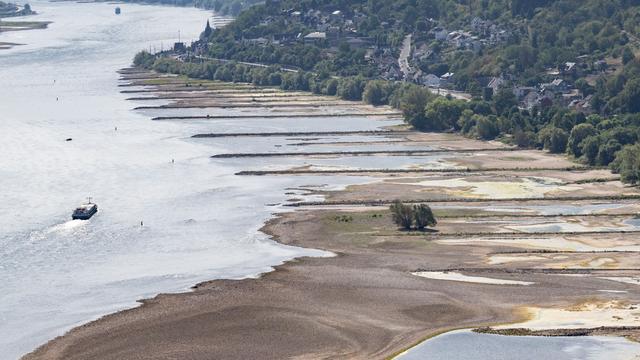
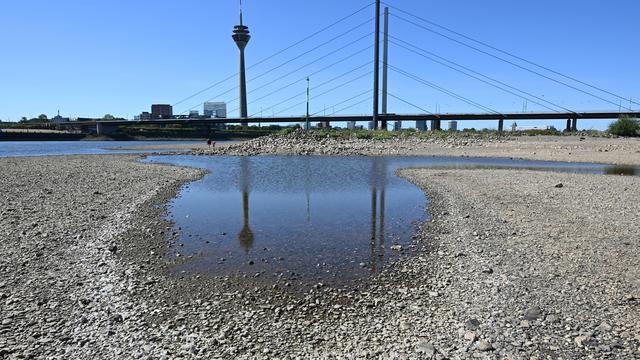
Germany's vital inland waterway system is facing severe disruption due to historically low water levels on the Rhine River, prompting urgent calls for government intervention. The Federal Association of German Inland Shipping (BDB) warns that alternative transport methods are insufficient to handle the volume of goods currently moved by barges.
Neither the railway nor truck forwarding companies can provide sufficient capacity to transport goods from ships without restrictions.
"Neither the railway nor truck forwarding companies can provide sufficient capacity to transport goods from ships without restrictions," stated BDB Managing Director Jens Schwanen. He emphasized that the current situation is a societal issue, impacting not only shipping but also the Rhine's ecosystem through fish die-offs and dried-out floodplains.
The BDB has outlined a three-point plan: continuing subsidies for ships optimized for low-water conditions beyond the end of the year, accelerating the expansion of fairways on the Middle and Lower Rhine to allow for greater draft by 2033, and finding swift ways for authorities to better retain water in the river. Currently, water flows unimpeded towards the Netherlands from the Iffezheim lock.
Massive fish die-offs, dried-out floodplains, high water temperatures, and too little oxygen are pushing the Rhine as a habitat to its limits. This concerns us all.
Shipping companies like HGK Shipping, a major European player, are also seeking reliable government investment frameworks until 2035 to encourage private capital for new builds and provide planning security. The goal is to construct 1,000 modern inland freight vessels across Europe, with the German government expected to take a leading role.
We need a reliable investment framework from the federal government until 2035 that mobilizes private capital and gives companies planning security for new builds.
DistantNews Editorial
Originally published by Die Zeit in German. Translated, summarized, and contextualized by our editorial team with added local perspective. Read our editorial standards.
More Stories

From Our Blog

What Gets Lost (and Found) When News Is Translated

How the Same Story Looks Different in Different Countries

The Critical Role of Diaspora Media in Global News

What Travellers Should Know About Countries with Restricted Press

A Digital Nomad's Guide to Following Local News
