


🇦🇷
Argentina
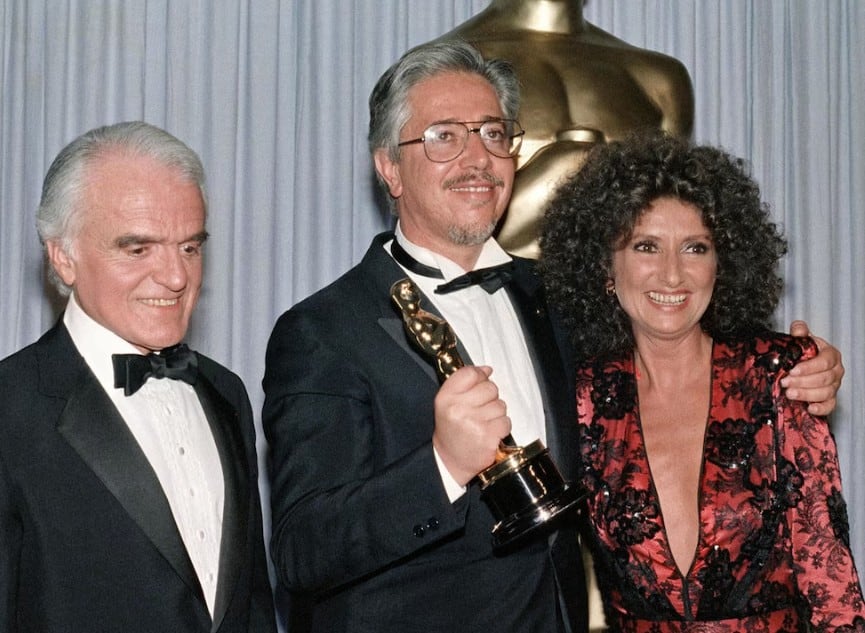
Luis Puenzo, director of Oscar-winning 'The Official Story,' dies at 80
Translated from Spanish, summarized and contextualized by DistantNews.
TLDR
- Luis Puenzo, the director behind the Oscar-winning film "The Official Story," has died at age 80.
- Puenzo's 1985 film exposed the dark realities of Argentina's last military dictatorship and was the first Argentine film to win the Best Foreign Language Film Oscar.
- Despite international acclaim, his subsequent Hollywood venture, "Gringo Viejo," faced box office failure and critical division, leaving Puenzo unsatisfied with the final product.
Argentine cinema has lost a titan with the passing of Luis Puenzo at 80. His name will forever be etched in the annals of national and international film history, primarily for "The Official Story." This groundbreaking film, released a decade after the end of the brutal military dictatorship, did more than just win an Oscar; it forced the world to confront the painful truths of Argentina's past. Puenzo's courage in bringing such a sensitive subject to the screen, and his subsequent international recognition, marked a pivotal moment for Argentine filmmaking.
While "The Official Story" achieved unparalleled success, Puenzo's foray into Hollywood with "Gringo Viejo" serves as a poignant reminder of the challenges faced by international directors in the American studio system. The film's struggles at the box office and with critics, coupled with Puenzo's own dissatisfaction over creative control, highlight the stark contrast between artistic vision and commercial demands. This experience, though frustrating, is a crucial part of his legacy, demonstrating the complexities of navigating global cinema.
From our perspective at La Nación, Puenzo's career embodies both the triumph and the tribulations of Argentine artists on the world stage. His ability to translate a deeply national experience into a universally resonant film is a testament to his skill. While his Hollywood ambitions may not have fully materialized as hoped, his indelible contribution to cinema, particularly in shedding light on Argentina's history, remains his most significant achievement. His passing is not just a loss for Argentina, but for all who value cinema that challenges, educates, and moves audiences.
We will never forget that nightmare, but now we are beginning to have new dreams.
DistantNews Editorial
Originally published by La Nación in Spanish. Translated, summarized, and contextualized by our editorial team with added local perspective. Read our editorial standards.
More Stories



From Our Blog

What Gets Lost (and Found) When News Is Translated

The Critical Role of Diaspora Media in Global News

What Travellers Should Know About Countries with Restricted Press

A Digital Nomad's Guide to Following Local News

How the Same Story Looks Different in Different Countries
