

Machu Picchu: Inca Trail access suspended due to landslides and heavy rains
Translated from Spanish, summarized and contextualized by DistantNews.
At a glance
News
Named sources
Ongoing story
- Access to the Inca Trail in Machu Picchu has been temporarily suspended due to landslides and heavy rains.
- The suspension, effective August 19, aims to protect visitors from adverse weather conditions.
- Intense rainfall has caused damage to the route, including flooding and erosion.
The Directorate of Culture of Cusco (DDC) has suspended visitor access to the Inca Trail network in Machu Picchu starting August 19, with no set end date. The decision comes in response to landslides and damage caused by intense, unusual rainfall along the pre-Hispanic route.
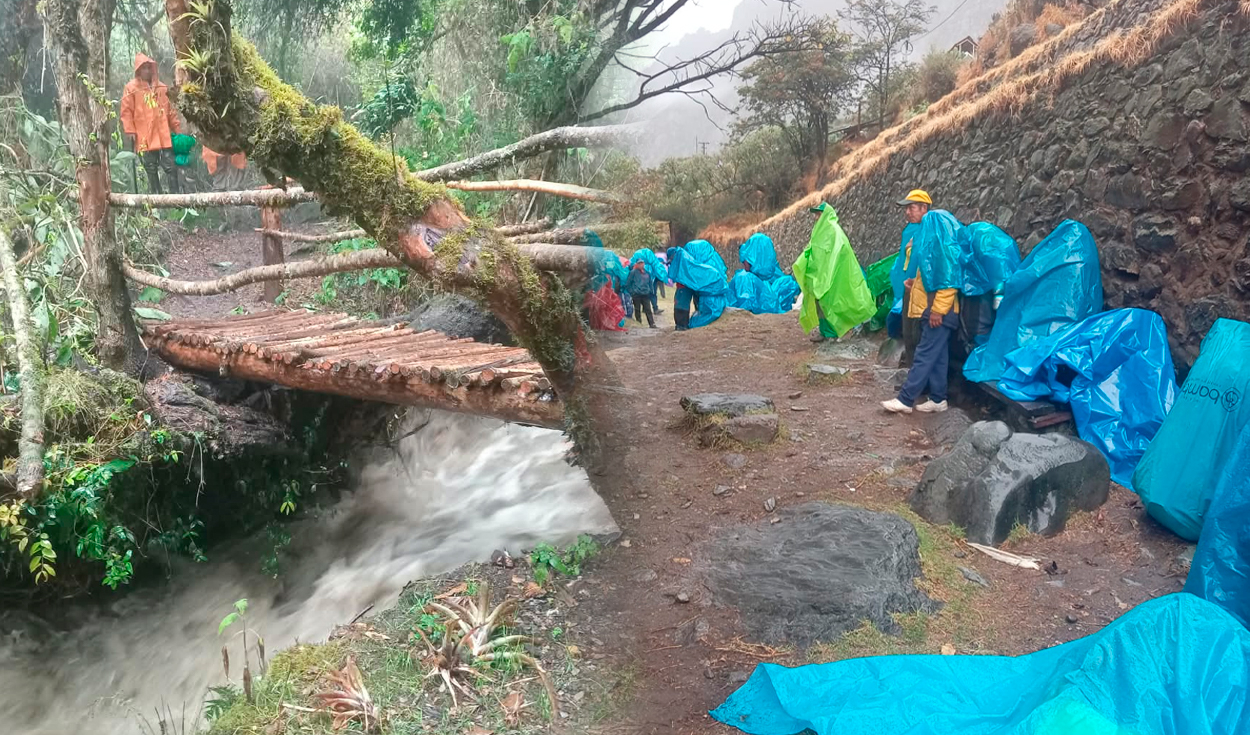
This measure is primarily intended to safeguard the safety of tourists navigating the challenging terrain. The heavy rains, which began on the night of August 17, have led to significant issues, including landslides, swollen rivers, flooded campsites, collapsed restrooms, damaged bridges, and soil erosion at various points along the trail.
Key affected sectors include Llulluchapampa, Ayapata, Paqaymayu Alto, Soqtacocha, Yuncachimpa, Qonchamarka, Wayllabamba, Pawkarcancha, Cusichaka, Phuyupatamarka, and Wiñaywayna. These areas require constant monitoring due to their terrain.
Visitors who entered the Inca Trail on August 18 have been instructed to return. New entries are prohibited from August 19. While authorities are evaluating alternative routes via kilometer 104 (Chachabamba) and kilometer 106 (Choquesuysuy), their accessibility depends on weather and safety conditions. The suspension is also influenced by forecasts from Peru's National Meteorology and Hydrology Service (Senamhi), which indicate a high-altitude depression (DANA) contributing to adverse weather and increasing landslide risks.
If adverse conditions persist, the DDC Cusco will process rescheduling options or refunds for affected visitors. Personnel at the Machu Picchu National Archaeological Park remain on high alert to manage potential emergencies.
DistantNews Editorial
Originally published by La República in Spanish. Translated, summarized, and contextualized by our editorial team with added local perspective. Read our editorial standards.
More Stories
From Our Blog

What Gets Lost (and Found) When News Is Translated

The Critical Role of Diaspora Media in Global News

What Travellers Should Know About Countries with Restricted Press

A Digital Nomad's Guide to Following Local News

How the Same Story Looks Different in Different Countries
