

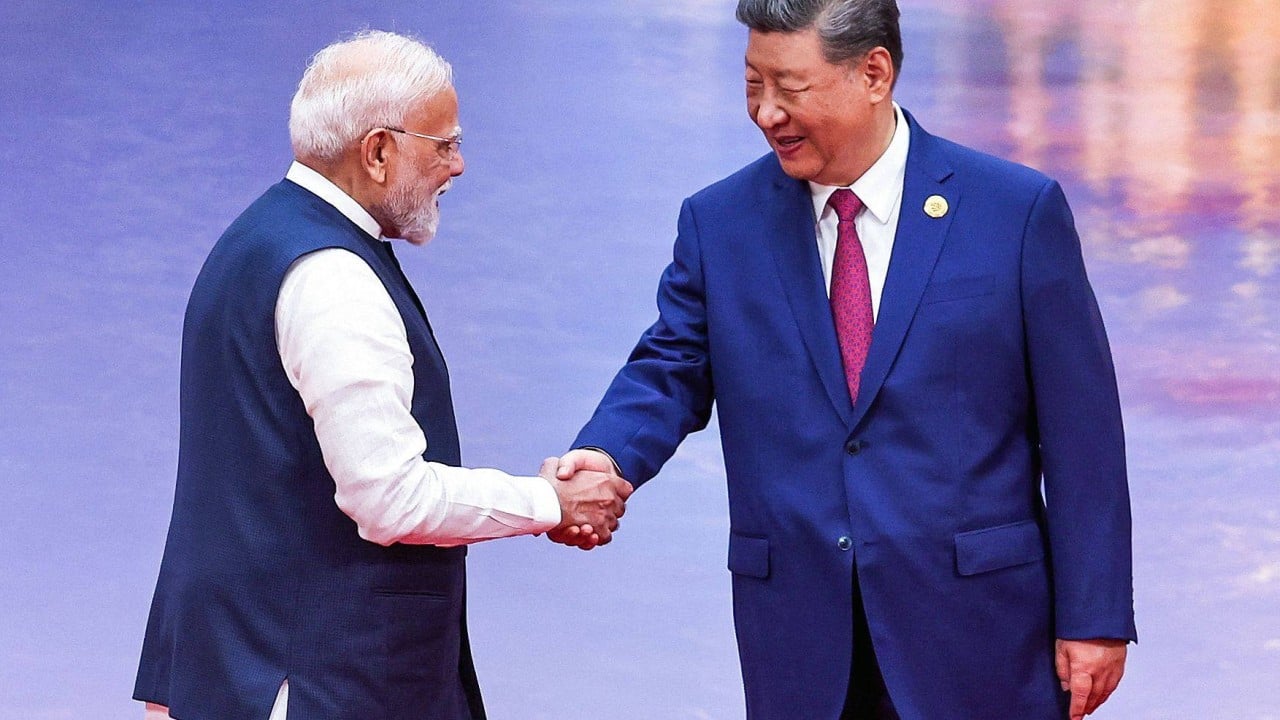

Mainland China’s Wu Yongping on what the Xi-Trump summit means for Taiwan
Summarized by DistantNews. Read the original for the full story.
At a glance
News
Named sources
Context piece
- Wu Yongping, a leading Chinese specialist on Taiwan affairs, shared his views on the implications of the Xi-Trump summit for cross-strait relations.
- He emphasized that mishandling the Taiwan question could lead to confrontation or conflict between China and the U.S.
- Wu stated that China would respond firmly if the U.S. supports or encourages Taiwan independence, reflecting its determination and confidence.
Wu Yongping, dean of the Institute for Taiwan Studies at Tsinghua University, offers a critical perspective on the signals emerging from the Xi-Trump summit concerning Taiwan. His analysis, rooted in mainland China's leading expertise on the island, underscores the gravity with which Beijing views the Taiwan question. Wu's assertion that mishandling this issue could escalate to confrontation or even conflict between China and the United States highlights the high stakes involved.
If the Taiwan question is mishandled, it could lead not only to confrontation but potentially even conflict between China and the United States.
His statement, "tough words are said upfront" in Chinese diplomatic practice, suggests that President Xi Jinping's direct message to Donald Trump on Taiwan was a deliberate and firm communication of Beijing's red lines. This approach signals China's unwavering resolve and confidence in its position, indicating that any perceived U.S. encouragement of Taiwan independence would be met with a strong and decisive response.
From a mainland Chinese viewpoint, the summit's discourse on Taiwan is not merely a diplomatic exchange but a reaffirmation of core national interests. The emphasis on maintaining the status quo, as interpreted by Wu, reflects a strategic objective to deter any moves towards formal independence by Taiwan and to manage U.S. involvement in the region. The clarity of Xi's message is intended to leave no room for miscalculation by Washington.
This is a very direct way of emphasising the importance of the Taiwan question and it lays out the most severe possible consequences – something quite rare.
This perspective contrasts sharply with how the issue might be framed in Western media, which often focuses on the geopolitical maneuvering or the democratic aspirations of Taiwan. Here, the emphasis is on national sovereignty, historical claims, and the strategic imperative of reunification. Wu Yongping’s insights provide a window into the mainland's strategic thinking, emphasizing deterrence and firm resolve as key components of its Taiwan policy, a viewpoint that is central to understanding China's approach to cross-strait relations.
In Chinese diplomatic practice, “tough words are said upfront”. If the United States supports or encourages Taiwan independence in a way that leads to escalation, China would respond firmly, reflecting both its determination and confidence.
About this summary
Originally published by South China Morning Post. Summarized and contextualized automatically by DistantNews, with a note on how the source frames the story. Not individually reviewed before publishing. How this works.
More Stories


From Our Blog

Countries Without a Free Press: The 2026 List and What It Means for Readers

What Press Freedom Means for the News You Read

News in Translation: What Gets Lost, and How We Keep the Framing

Diaspora Media: How Communities Abroad Follow Home

Traveling Where the Press Is Not Free: How to Read the News There
