



Maja Chwalińska's Roland Garros Journey: A Spectacle of Tennis Intelligence and New Challenges
Translated from Polish, summarized and contextualized by DistantNews.
At a glance
In-depth
Named sources
Context piece
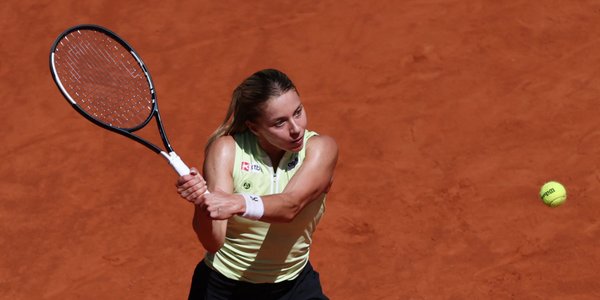
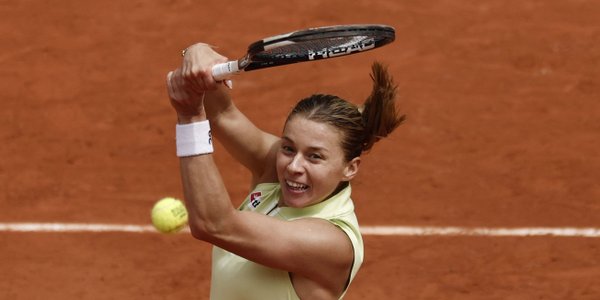
- Polish tennis player Maja Chwalińska achieved a spectacular run at Roland Garros, reaching the final after starting from qualifications.
- Her success is attributed to exceptional tennis intelligence and unconventional tactics, rather than physical dominance, despite playing over 17 hours on court.
- While she lost the final, Chwalińska's performance has garnered significant fan support and raises questions about the future development of tennis in Poland, which has historically lacked infrastructure and major tournaments.
Maja Chwalińska's remarkable journey to the Roland Garros final, beginning from the qualification rounds, has captivated the tennis world. Bogusław Chrabota, a commentator, highlighted the spectacular nature of her ascent from a distant ranking position to the final of a prestigious tournament. This achievement, however, comes with new responsibilities and challenges.
This is not just a success, it is also a commitment.
Chwalińska's performance demanded immense effort, with 10 matches played over 17 hours during the tournament. Chrabota emphasized that in modern tennis, physical preparation is as crucial as skill. Yet, he noted that Chwalińska's success stems not from physical superiority but from her unique "tennis intelligence." She employs rare, unconventional tactics, including drop shots and changes in game rhythm, which are increasingly uncommon in contemporary tennis.
Despite her unique style, Chwalińska ultimately fell to Mirra Andreeva in the final, who was better prepared for her atypical play. Chrabota acknowledged Andreeva's superiority in all aspects of the game, including physical conditioning. Nevertheless, Chwalińska earned widespread admiration for her talent and demeanor, marked by a "great joy and fascination with the sport."
In today's sport, and in tennis in general, physical preparation is certainly as important as skills.
The discussion also touched upon the potential impact of Chwalińska's success on Polish tennis. Chrabota lamented Poland's historical lack of tennis infrastructure and funding, describing it as a "tennis desert" with no major tournaments. However, recent successes, including those of Iga Świątek and now Chwalińska, are beginning to attract corporate interest, suggesting a potential shift in the sport's landscape in Poland.
Maja does not play powerfully. Maja plays technically.
Looking ahead, Chwalińska faces further challenges at Wimbledon and the US Open. Chrabota cautioned that grass courts at Wimbledon will present a tougher challenge than the clay courts of Paris. Despite these hurdles, fan expectations remain high, with hopes that her journey will inspire a new generation of Polish tennis players.
Maja uses rare shots in tennis fantastically. (...) She plays a lot of topspins, she plays a lot of drop shots, etc.
DistantNews Editorial
Originally published by Rzeczpospolita in Polish. Translated, summarized, and contextualized by our editorial team with added local perspective. Read our editorial standards.
More Stories

From Our Blog

What Gets Lost (and Found) When News Is Translated

The Critical Role of Diaspora Media in Global News

What Travellers Should Know About Countries with Restricted Press

A Digital Nomad's Guide to Following Local News

How the Same Story Looks Different in Different Countries
