


Malaysia Approves Elevated Highway Project to Boost Connectivity and Economy
Translated from Malay and summarized by DistantNews. Read the original for the full story.
At a glance
News
Named sources
New plan
- Malaysia's government has granted in-principle approval for the Bandar Malaysia-Seri Kembangan Elevated Highway (BSE) project.
- The highway aims to strengthen connectivity, development inclusivity, and economic competitiveness in the Greater Kuala Lumpur area.
- The project will be funded through private sector investment, avoiding direct financial commitment from the federal government.
The Malaysian government has given its in-principle approval for the development of the Bandar Malaysia-Seri Kembangan Elevated Highway (BSE), a strategic initiative designed to bolster connectivity and establish a foundation for sustained economic growth.
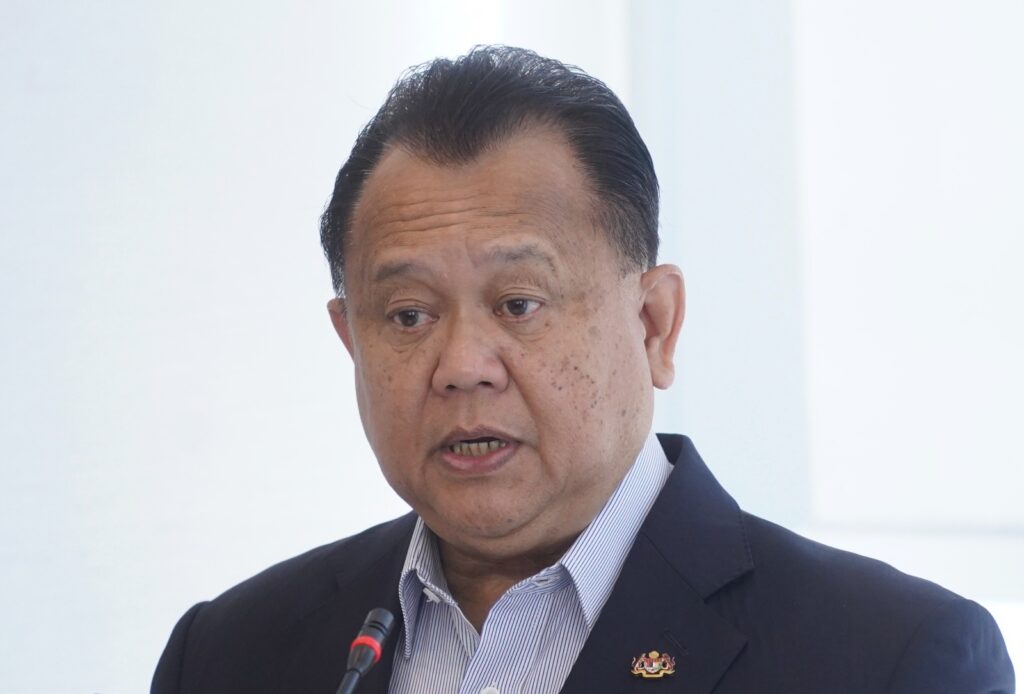
Works Minister Datuk Seri Alexander Nanta Linggi stated that the BSE project transcends the mere construction of a new highway. He emphasized it represents a long-term investment in fortifying connectivity, fostering inclusive development, and enhancing the nation's economic competitiveness, aligning with the Malaysia Madani framework.
The Cabinet recently agreed to the proposal, recognizing its potential to strengthen the transportation network and improve connectivity within the Greater Kuala Lumpur region. The BSE is envisioned as a high-capacity link integrating several major highways, including the Kuala Lumpur-Seremban, Maju (MEX), Sungai Besi (BESRAYA), New Pantai (NPE), Shah Alam (KESAS), and the broader KL Traffic Dispersal System (SPRINT) network.
This elevated highway is expected to offer an alternative route for motorists, easing traffic flow between the northern, southern, and east coast corridors of Peninsular Malaysia. Improved connectivity is anticipated to boost public mobility, enhance logistics efficiency, and facilitate the smoother movement of goods. The BSE could potentially reduce travel times and improve access to employment centers, educational institutions, and public services.
Financially, the BSE project will follow a private sector financing approach, ensuring its implementation does not incur direct financial commitments from the Federal Government. Following this approval, the Ministry of Works, in collaboration with relevant agencies like the Public-Private Partnership Unit (UKAS), will proceed with detailed negotiations and assessments to finalize the project's implementation structure. The government will thoroughly evaluate all aspects, prioritizing public interest, national value, and fiscal sustainability before making a final decision.
About this summary
Originally published by Utusan Malaysia in Malay. Translated, summarized, and contextualized automatically by DistantNews, with a note on how the source frames the story. Not individually reviewed before publishing. How this works.
More Stories


From Our Blog

What Gets Lost (and Found) When News Is Translated

The Critical Role of Diaspora Media in Global News

What Travellers Should Know About Countries with Restricted Press

A Digital Nomad's Guide to Following Local News

How the Same Story Looks Different in Different Countries
