

Malaysia Builds Comprehensive AI Ecosystem in 60 Months
Translated from Malay, summarized and contextualized by DistantNews.
At a glance
News
Named sources
Ongoing story
- Malaysia is developing a comprehensive Artificial Intelligence (AI) ecosystem within the next 60 months to leverage the technology effectively.
- The government has introduced new policies in energy, industry, and AI, focusing on foundational infrastructure like technology, connectivity, data centers, and cybersecurity.
- Efforts are also underway to ensure a sufficient talent pipeline, with plans to establish a National AI Office to formulate strategy and provide expertise.
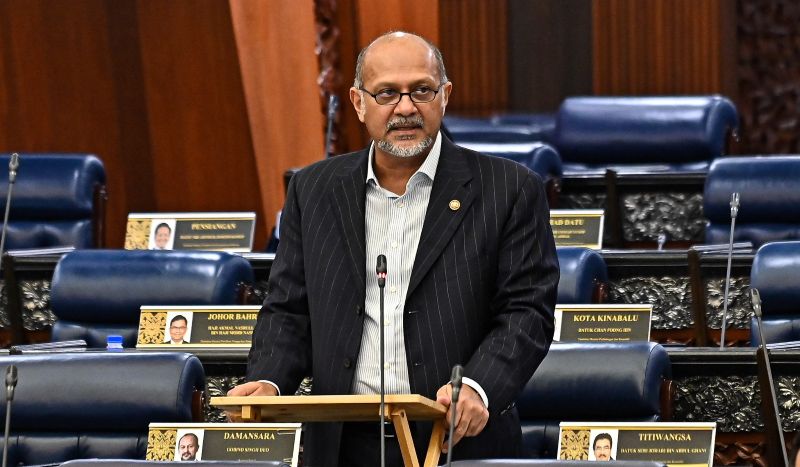
Malaysia is actively building a robust Artificial Intelligence (AI) ecosystem, aiming to fully harness the technology's potential within the next 60 months. Minister of Digital Gobind Singh Deo stated that the government has implemented various new policies in energy, industry, and AI to support this initiative. These measures underscore the government's commitment to developing the necessary framework for Malaysia to effectively utilize emerging technologies.
This step reflects the government's commitment to developing the necessary ecosystem to ensure Malaysia can effectively leverage new technologies.
Over the past two years, the government has prioritized the development of the AI ecosystem, focusing on essential infrastructure. This includes advancements in technology, enhanced connectivity, data center capabilities, and cybersecurity measures. Simultaneously, significant efforts are being made to cultivate a sufficient pool of talent to meet the demands of the AI industry.
According to a report by FIDE Forum and Accenture Malaysia, the widespread adoption of AI could boost pre-tax profits for Malaysian financial institutions by up to 16%, translating to approximately $1.8 billion (RM7.7 billion) in added value. Furthermore, AI is projected to contribute around $113 billion (RM480 billion) to the national economy, representing nearly a quarter of Malaysia's Gross Domestic Product (GDP).
AI has the potential to impact several job categories, especially entry-level positions.
Gobind noted that these government efforts align with the Prime Minister's aspiration to establish Malaysia as an AI-driven nation by 2030. A key step in this direction is the imminent establishment of the National AI Office (NAIO). This office will be responsible for formulating national strategies, providing expert guidance, and ensuring the country is fully prepared for technological advancements. The government is also proactively addressing potential job market shifts by implementing upskilling and reskilling programs to help the workforce adapt to changes, ensuring workers remain relevant and are not left behind by technological evolution.
Our goal is to ensure they are not left behind due to technological changes, but rather given opportunities to improve their skills and continue working.
DistantNews Editorial
Originally published by Utusan Malaysia in Malay. Translated, summarized, and contextualized by our editorial team with added local perspective. Read our editorial standards.
More Stories



From Our Blog

What Gets Lost (and Found) When News Is Translated

The Critical Role of Diaspora Media in Global News

What Travellers Should Know About Countries with Restricted Press

A Digital Nomad's Guide to Following Local News

How the Same Story Looks Different in Different Countries
