

Malaysia develops profiling system to combat impaired driving in commercial transport
Translated from Malay, summarized and contextualized by DistantNews.
At a glance
News
Sources not specified
Ongoing story
- Malaysia's Traffic Investigation and Enforcement Department (JSPT) is developing a profiling system to combat drug and alcohol-impaired driving among commercial vehicle operators.
- The system will profile individuals, companies, and vehicles to enhance monitoring of drivers and transport firms.
- Authorities are considering extending accountability to companies that hire drivers operating under the influence, potentially revising laws and penalties, drawing examples from Taiwan and Singapore.
Malaysia's Bukit Aman Traffic Investigation and Enforcement Department (JSPT) is developing a comprehensive profiling system to address the growing issue of drivers operating commercial vehicles under the influence of drugs or alcohol. The initiative aims to enhance the monitoring of both individual drivers and transport companies.
We are currently organizing it into a system; we will do individual profiling, company profiling, and vehicle profiling. We will propose this to the government.
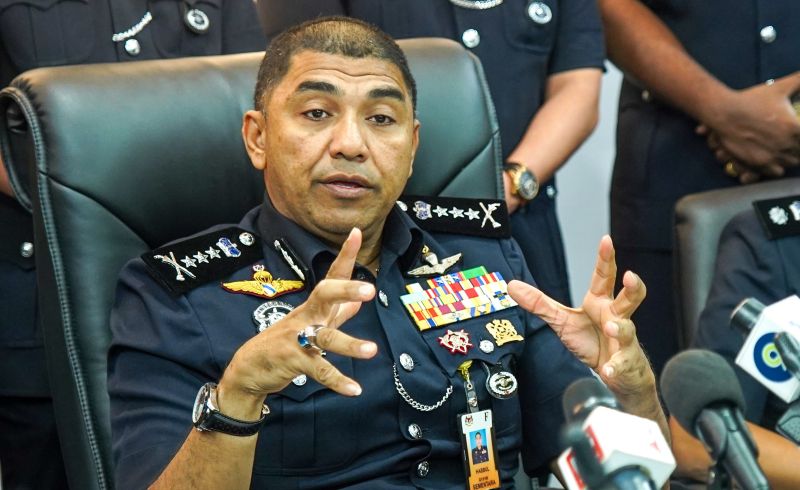
Datuk Seri Muhammed Hasbullah Ali, Director of JSPT Bukit Aman, explained that the proposed system would involve profiling individuals, companies, and vehicles. "We are currently organizing it into a system; we will do individual profiling, company profiling, and vehicle profiling. We will propose this to the government," he stated during a press conference. This move comes in response to an observed trend of increasing incidents involving drivers under the influence.
We are now discussing expanding this so that anyone who hires a driver or a company that employs a driver must take full responsibility. Not only will we take action against the driver, but we will also propose this for companies because it has become too serious.
Currently, legal action is primarily taken against individual drivers under the Road Transport Act 1987. However, JSPT is exploring the possibility of extending accountability to the companies that employ these drivers. "We are now discussing expanding this so that anyone who hires a driver or a company that employs a driver must take full responsibility. Not only will we take action against the driver, but we will also propose this for companies because it has become too serious," Muhammed Hasbullah elaborated.
We will involve APAD because it is the responsible agency and their penalties are higher. We will involve APAD as well.
The JSPT will collaborate with the Land Public Transport Agency (APAD) to enforce stricter measures against companies or operators of commercial vehicles. Discussions are also underway with the Road Transport Department (JPJ) to strengthen the merit demerit system, which could include revoking commercial and personal driving licenses for offenders. Malaysia is examining examples from countries like Taiwan and Singapore to potentially tighten laws and increase penalties for driving under the influence.
We have discussions with JPJ to re-strengthen the merit demerit system so that it can have an impact on offenders.
DistantNews Editorial
Originally published by Utusan Malaysia in Malay. Translated, summarized, and contextualized by our editorial team with added local perspective. Read our editorial standards.
More Stories
From Our Blog

What Gets Lost (and Found) When News Is Translated

The Critical Role of Diaspora Media in Global News

What Travellers Should Know About Countries with Restricted Press

A Digital Nomad's Guide to Following Local News

How the Same Story Looks Different in Different Countries
