


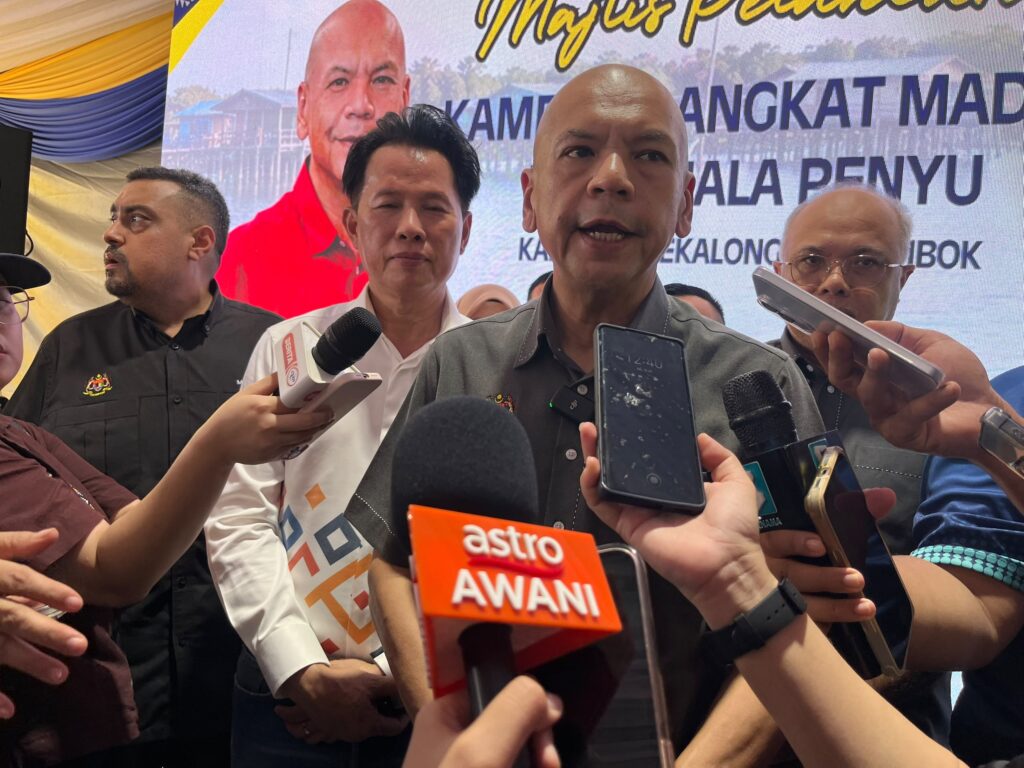
Malaysia expands subsidized diesel program to small businesses
Translated from Malay, summarized and contextualized by DistantNews.
At a glance
News
Official statement
New plan
- Malaysia has expanded the subsidized diesel program (SKDS) to include registered small businesses and sole proprietorships.
- These businesses can now access a fleet card with a monthly quota of 300 liters of subsidized diesel.
- The government aims to ensure targeted subsidies reach businesses genuinely reliant on diesel for their operations.
The Malaysian government has approved an expansion of the Subsidized Diesel Control Scheme (SKDS), allowing registered small traders and companies to benefit from the fleet card facility. This initiative grants them a monthly quota of 300 liters of subsidized diesel.
Datuk Armizan Mohd. Ali, the Minister of Domestic Trade and Cost of Living, stated that the decision was made after identifying a group of small traders affected by the diesel subsidy rationalization. These traders did not meet the original requirements of the scheme. Previously, the fleet card application was limited to vehicles registered under individuals or companies involved in goods transportation.
However, the minister explained that some contractors and small traders in Sabah use diesel vehicles for their businesses, but these vehicles are registered under company names, not individual names. This technicality rendered them ineligible under the original SKDS criteria, despite using diesel for business purposes. The Ministry of Domestic Trade and Costs of Living (KPDN) brought this issue to the Cabinet's attention.
The Cabinet subsequently approved the immediate expansion of the scheme. This allows small companies registered as sole proprietorships to receive a 300-liter monthly quota of subsidized diesel via the fleet card, even if the vehicle is registered under the company's name. This move demonstrates the federal government's commitment to improving the implementation mechanism, provided accurate data is available to ensure subsidies reach those truly deserving. The KPDN will continue to monitor the scheme's progress and propose improvements to ensure fair and effective targeted subsidies.
This proves that the Federal Government is always ready to improve the implementation mechanism as long as we have accurate data to ensure subsidies are targeted at those who are truly eligible.
DistantNews Editorial
Originally published by Utusan Malaysia in Malay. Translated, summarized, and contextualized by our editorial team with added local perspective. Read our editorial standards.
More Stories



From Our Blog

What Gets Lost (and Found) When News Is Translated

The Critical Role of Diaspora Media in Global News

What Travellers Should Know About Countries with Restricted Press

A Digital Nomad's Guide to Following Local News

How the Same Story Looks Different in Different Countries
