



Malaysia Parliament Approves Statistics Bill 2026 to Strengthen Data Governance
Translated from Malay, summarized and contextualized by DistantNews.
At a glance
News
Sources not specified
Approved/passed
- Malaysia's Dewan Rakyat approved the Statistics Bill 2026, replacing the 1965 act to enhance national data governance and evidence-based policymaking.
- The new bill details the functions of the Department of Statistics Malaysia, establishes a National Statistics Council, and standardizes statistical activities across government agencies.
- The legislation aims to improve the quality and coordination of official statistics, optimize administrative data use, and protect data confidentiality, while clarifying that it does not alter departmental data ownership.
Malaysia's Dewan Rakyat has passed the Statistics Bill 2026, a significant legislative update aimed at strengthening the nation's data governance and bolstering evidence-based policymaking. This new bill replaces the 1965 Statistics Act, which has served as the legal foundation for national statistics for over six decades.
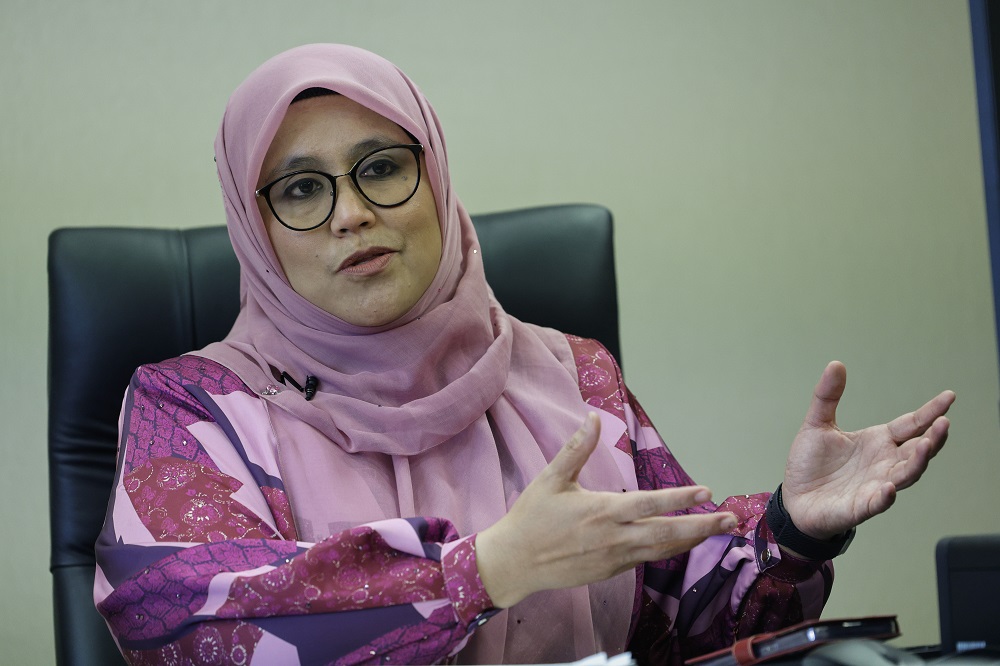
Economy Minister Akmal Nasrullah Mohd. Nasir emphasized that the bill is more than a mere renewal of existing law. It is designed to enhance the country's capacity to produce official statistics that are more coordinated, of higher quality, and trustworthy. "Good data must lead to more accurate policies, more effective services, and tangible benefits for the people," he stated during the bill's debate.
The core provisions of the Statistics Bill 2026 include a detailed outline of the Department of Statistics Malaysia's (DOSM) functions, the establishment of a National Statistics Council, and standardized methods for data collection, request, publication, and communication. Crucially, it also addresses data confidentiality protection and grants powers for regulation creation. DOSM will coordinate national official statistics production and serve as the central repository for national data.
Despite these centralizing efforts, the minister clarified that the bill does not usurp the data ownership or domain authority of any ministry or agency. Instead, DOSM's coordination aims to ensure data is used systematically and consistently, leading to higher quality official statistics. The optimized use of administrative data is also expected to reduce duplication in data collection, lessen the burden on respondents, and save costs, time, and resources. Data protection and respondent confidentiality remain paramount, with information gathered for statistical purposes protected by law.
DistantNews Editorial
Originally published by Utusan Malaysia in Malay. Translated, summarized, and contextualized by our editorial team with added local perspective. Read our editorial standards.
More Stories


From Our Blog

What Gets Lost (and Found) When News Is Translated

The Critical Role of Diaspora Media in Global News

What Travellers Should Know About Countries with Restricted Press

A Digital Nomad's Guide to Following Local News

How the Same Story Looks Different in Different Countries
