

Malaysia Plans National Reclaimed Water Policy for Digital Economy
Translated from Malay, summarized and contextualized by DistantNews.
At a glance
News
Named sources
New plan
- Malaysia is planning a National Reclaimed Water Policy to manage water resources more efficiently, especially for the digital economy.
- The policy aims to increase reclaimed water production from 48.5 million liters per day to 118 million liters per day by 2030 to meet industrial demand, particularly from data centers.
- A task force has been established to monitor the impact of data center investments on national resources and ensure that incoming technology is advanced and necessary for Malaysia.
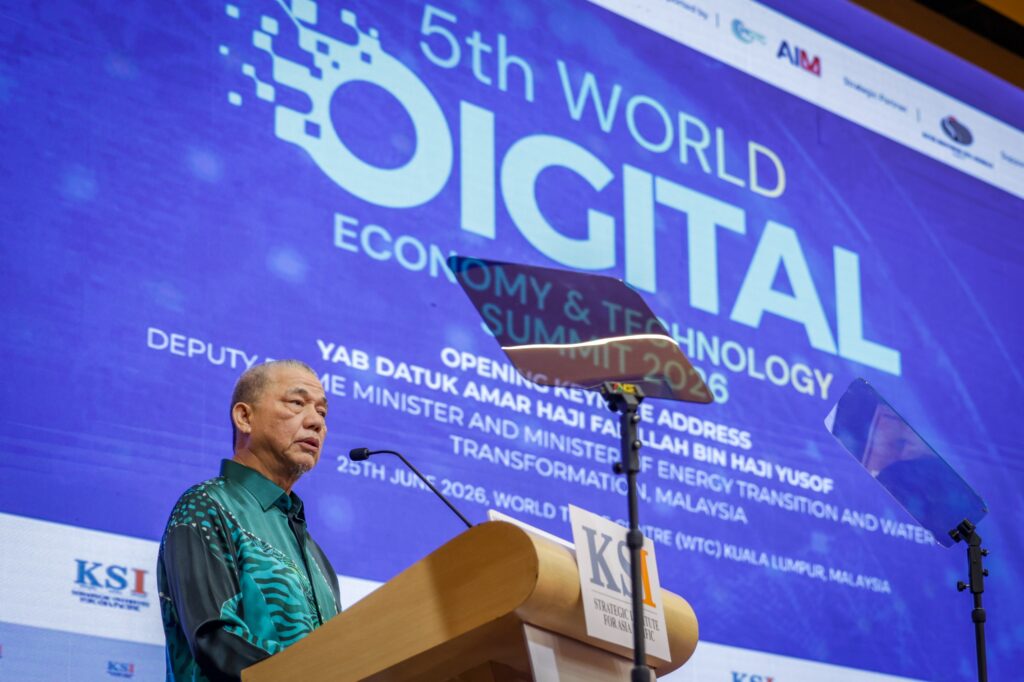
The Malaysian government is developing a National Reclaimed Water Policy, a long-term framework designed to enhance the efficiency of the nation's water usage. Deputy Prime Minister Datuk Seri Fadillah Yusof announced that this policy is part of a broader national response to address significant challenges in the energy, water, and digital infrastructure sectors.
Water is identified as a critical component for the burgeoning digital economy, with data centers being major consumers for system cooling. The policy emphasizes efficient water resource management through reclamation as key to ensuring the sustainability of digital investments without compromising domestic needs. Malaysia currently produces 48.5 million liters of reclaimed water daily and aims to boost this capacity to 118 million liters by 2030, primarily for industrial use.
This initiative is not isolated but forms an integrated national response to the challenges at the intersection of energy, water, and digital infrastructure. Fadillah, who also serves as the Minister of Energy Transition and Water Transformation, revealed that a dedicated data center task force has been formed. This task force, chaired by the Ministry of Investment, Trade and Industry (MITI), is responsible for evaluating the types of data centers Malaysia wishes to attract, ensuring they represent the latest technology and are genuinely needed.
The existing policy already differentiates between water for public consumption and industrial use. Treated water is designated for consumers, while reclaimed water or recycled wastewater is allocated for industrial purposes. The implementation of reclaimed water usage has commenced in states like Johor, through a collaboration between Indah Water Konsortium (IWK) and Johor Special Water (JSW), with plans to expand to Selangor and Negeri Sembilan.
DistantNews Editorial
Originally published by Utusan Malaysia in Malay. Translated, summarized, and contextualized by our editorial team with added local perspective. Read our editorial standards.
More Stories



From Our Blog

What Gets Lost (and Found) When News Is Translated

The Critical Role of Diaspora Media in Global News

What Travellers Should Know About Countries with Restricted Press

A Digital Nomad's Guide to Following Local News

How the Same Story Looks Different in Different Countries
