


Malaysia's Central Bank Drafts 2027-2030 Financial Sector Master Plan
Translated from Malay, summarized and contextualized by DistantNews.
At a glance
News
Sources not specified
Ongoing story
- Bank Negara Malaysia is developing the Financial Sector Master Plan 2027-2030 in collaboration with industry players and stakeholders.
- The plan aims to address real challenges in the financial sector and align with evolving economic needs and the current environment.
- Key technological advancements like AI, Open Finance, and asset tokenization are expected to shape the future landscape of Malaysia's financial sector.
Bank Negara Malaysia (BNM) is actively formulating the Financial Sector Master Plan for 2027-2030, engaging closely with industry participants, government bodies, and other stakeholders. This initiative marks a new phase in the development of the nation's financial sector.
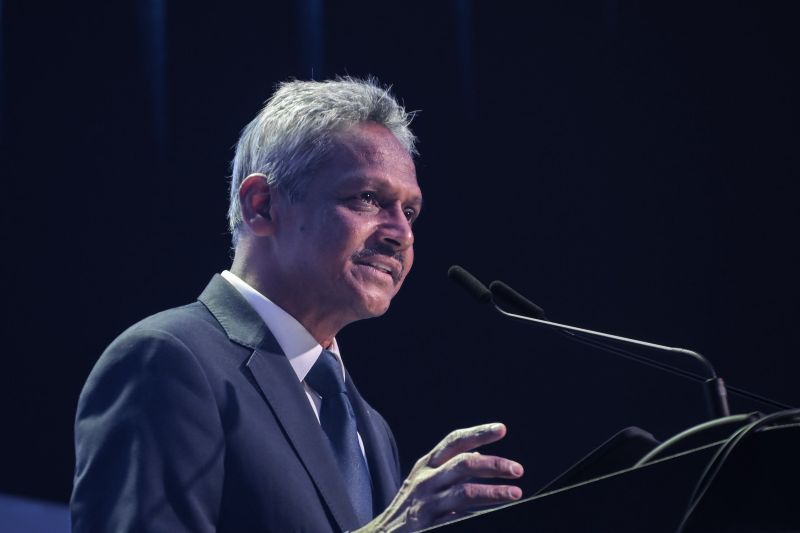
BNM Governor Datuk Seri Abdul Rasheed Ghaffour stated that the plan's strategy will consider the actual challenges faced by the financial sector, ensuring alignment with the growing and changing economic requirements. He emphasized that the future of the financial sector depends not only on the speed or sophistication of technology but also on how innovations strengthen confidence, broaden opportunities, and benefit society broadly.
"The challenges ahead are a shared responsibility. With the cooperation of all parties, we are confident that the expected results can be achieved," he remarked at the opening of the AICB Nexus 2026 conference. Developments such as Open Finance and asset tokenization are poised to significantly influence Malaysia's financial landscape. The Open Finance framework is establishing a foundation for secure, user-consented data sharing, with supporting infrastructure being developed alongside Payments Network Malaysia Sdn. Bhd. (PayNet) and industry players for a phased rollout starting in 2027. Meanwhile, asset tokenization is progressing through a pilot phase via the Digital Asset Innovation Hub.
Abdul Rasheed highlighted that Artificial Intelligence (AI) is already transforming financial services, being used in fraud detection, credit and insurance risk assessment, compliance, and customer service enhancement. He stressed that for trust to remain the cornerstone of finance in the AI era, three priorities are crucial: innovation must have a clear purpose, be implemented responsibly with accountability resting with leaders, and bring benefits to all, necessitating investment in upskilling and reskilling the workforce.
DistantNews Editorial
Originally published by Utusan Malaysia in Malay. Translated, summarized, and contextualized by our editorial team with added local perspective. Read our editorial standards.
More Stories



From Our Blog

What Gets Lost (and Found) When News Is Translated

The Critical Role of Diaspora Media in Global News

What Travellers Should Know About Countries with Restricted Press

A Digital Nomad's Guide to Following Local News

How the Same Story Looks Different in Different Countries
