

Malaysia's democratic practices align with Islamic governance principles, says analysis
Translated from Malay, summarized and contextualized by DistantNews.
At a glance
Analysis
Sources not specified
Context piece
- Malaysia practices a parliamentary democracy with a constitutional monarchy, granting citizens the right to elect their government.
- The system allows for diverse political parties and public expression, though debates persist on its alignment with Islamic state principles.
- The article argues that Malaysia's governance incorporates key Islamic principles like consultation, justice, freedom, and equality, alongside its democratic framework.
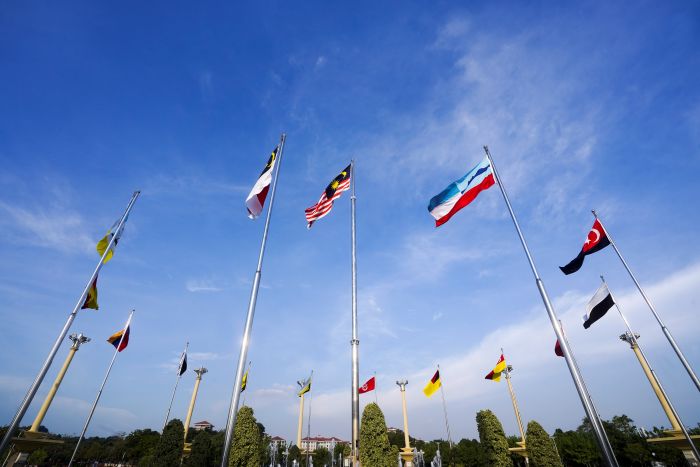
Malaysia operates under a parliamentary democracy and constitutional monarchy, a system established upon its independence. This framework empowers citizens to elect their government through regular elections, while the Malay monarchy serves as a symbol of national identity and a protector of the constitution.
Discussions frequently arise regarding the compatibility of Malaysia's democratic practices with the concept of an Islamic state. While democracy provides a platform for citizens to choose their leaders and express their views openly, some express concerns that a multi-party system could lead to division, particularly among the Malay Muslim population. However, proponents argue that the strength of Malay-Islamic political influence hinges more on the wisdom of leaders in fostering unity and cooperation for the benefit of religion, race, and nation, rather than solely on the political system itself.
The debate over whether Malaysia is an Islamic or secular state has been ongoing, often influenced by differing political interpretations. The article suggests that evaluating a state's Islamic credentials should extend beyond specific legal implementations to encompass core governance principles. Islam emphasizes consultation (syura), justice, freedom, and equality in state administration. Syura calls for deliberation in decision-making, justice demands equitable treatment for all citizens regardless of religion or background, and Islam recognizes responsible freedom, including freedom of religion and speech. Equality asserts that all citizens have the same rights and responsibilities under the law.
Many of these principles are reflected in Malaysia's governance, with the Federal Constitution safeguarding citizens' rights and freedoms while designating Islam as the religion of the Federation. Simultaneously, followers of other religions practice their faiths peacefully. The development of Islamic institutions, including Islamic finance, education, Sharia administration, and halal certification, further illustrates Islam's significant role in shaping national policy and societal life, moving beyond mere symbolism.
DistantNews Editorial
Originally published by Utusan Malaysia in Malay. Translated, summarized, and contextualized by our editorial team with added local perspective. Read our editorial standards.
More Stories


From Our Blog

What Gets Lost (and Found) When News Is Translated

The Critical Role of Diaspora Media in Global News

What Travellers Should Know About Countries with Restricted Press

A Digital Nomad's Guide to Following Local News

How the Same Story Looks Different in Different Countries
