


Malaysia's EV industry needs domestic boost, not just foreign cash
Translated from Malay, summarized and contextualized by DistantNews.
At a glance
News
Sources not specified
New plan
- Malaysia's electric vehicle industry development should not rely solely on foreign investment, according to Investment, Trade and Industry Minister Datuk Seri Johari Abdul Ghani.
- The strategy must balance foreign investment with domestic value addition, local vendor empowerment, and technology transfer to maintain local automotive industry competitiveness.
- Tax incentives for locally assembled EVs will continue until December 2027 to support the domestic industry and supply chain development.
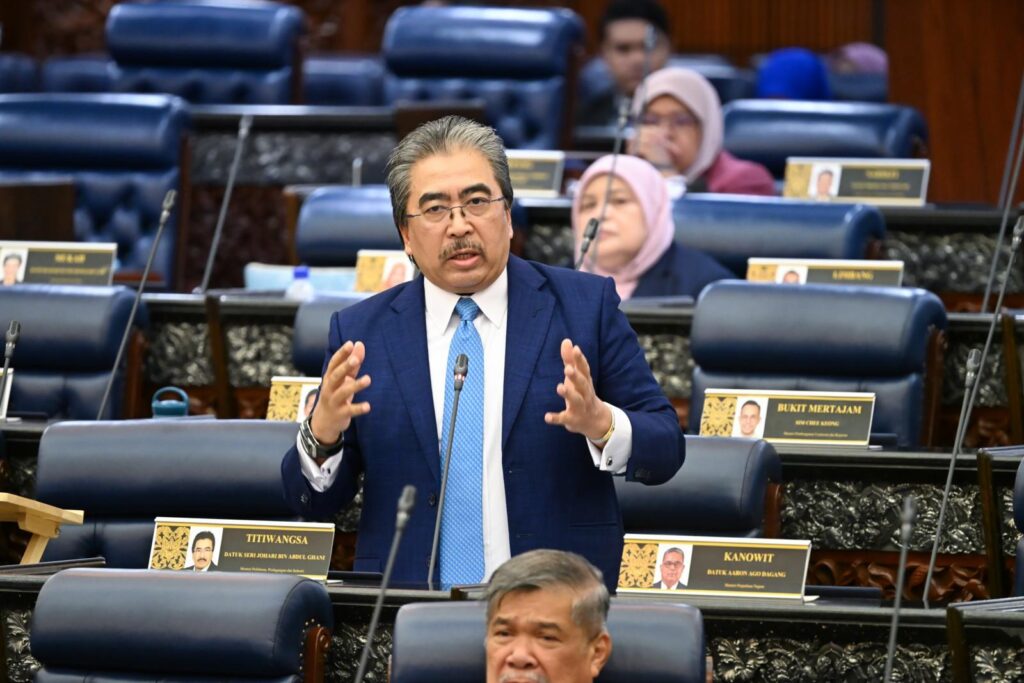
Malaysia's electric vehicle (EV) industry needs a balanced approach, not solely relying on foreign investment, stated Investment, Trade and Industry Minister Datuk Seri Johari Abdul Ghani. He emphasized the importance of integrating domestic value addition, strengthening local vendor networks, and facilitating technology transfer.
"These strategic steps are crucial to ensure the local automotive ecosystem remains competitive, sustainable, and a key driver of national economic growth," Johari said in a written parliamentary reply. He was responding to a question from Mohd. Nazri Abu Hassan regarding new regulations for EV manufacturers and sellers in Malaysia.
The minister stressed that attracting foreign investment must be done cautiously, without neglecting the development of the domestic automotive industry, particularly national car manufacturers. To support this, the government will continue offering tax incentives for locally assembled EVs until December 31, 2027. This measure aims to enable the local industry to produce more competitive EVs for market demand while bolstering the domestic supply chain.
DistantNews Editorial
Originally published by Utusan Malaysia in Malay. Translated, summarized, and contextualized by our editorial team with added local perspective. Read our editorial standards.
More Stories


From Our Blog

What Gets Lost (and Found) When News Is Translated

The Critical Role of Diaspora Media in Global News

What Travellers Should Know About Countries with Restricted Press

A Digital Nomad's Guide to Following Local News

How the Same Story Looks Different in Different Countries
