

Malaysia's Health Ministry Transforms Digital Access, Focuses on Rural Care
Translated from Malay, summarized and contextualized by DistantNews.
At a glance
News
Sources not specified
New plan
- Malaysia's Health Ministry is implementing digital health services to improve access to quality healthcare, especially in rural areas.
- The transformation focuses on disease prevention and integrated technology and data, though technology alone is not a complete solution.
- A collaborative
Malaysia's Ministry of Health is actively transforming the nation's healthcare system by enhancing primary care services and expanding digital health offerings. Deputy Health Minister Datuk Hanifah Hajar Taib stated that these improvements aim to bolster disease prevention and utilize integrated technology and data to ensure all communities, particularly those in rural and remote areas, receive quality healthcare access.
Technology is just an enabler, so innovation must be responsive to community needs so that the existing (medical access) gap does not widen further.
However, Taib cautioned that technology is merely a tool and not an absolute solution to public health disparities. She acknowledged that progress in healthcare is not yet equally distributed, noting that individuals in remote regions often face long journeys for basic treatment. "When we talk about gaps in public health, we are actually talking about the real survival of human life," she said. "A person's demographic location or income level should not determine their level of health quality."
When we talk about gaps in public health, we are actually talking about the real survival of human life.
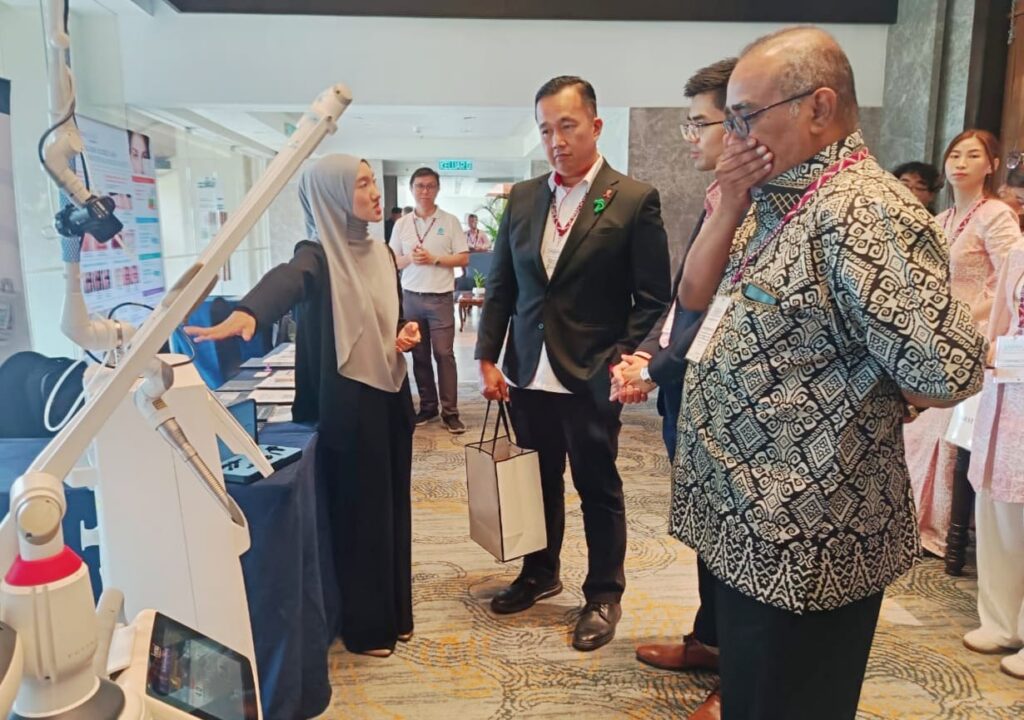
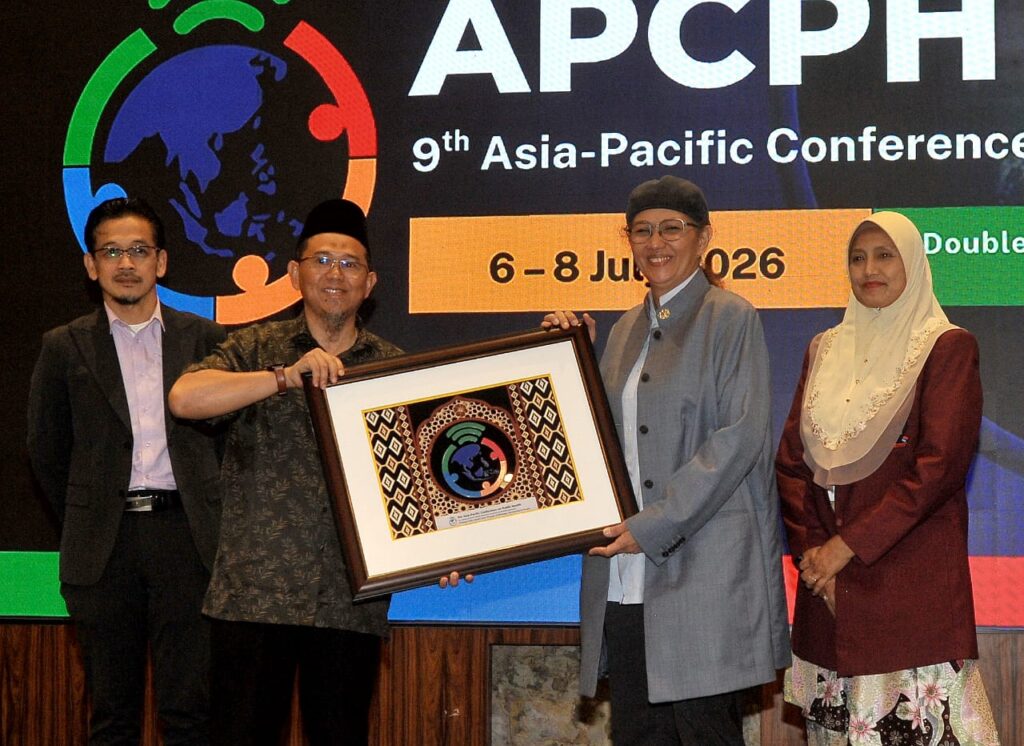
Speaking at the 9th Asia-Pacific Public Health Conference (APCPH) in Johor Bahru, themed 'Bridging Public Health Gaps through Technology, Partnerships & Communities,' Taib emphasized that innovation must be responsive to community needs to prevent widening existing medical access gaps. The transformation also includes strengthening primary care through the Clinical Care Management System (CCMS), which digitizes patient records in government clinics.
A person's demographic location or income level should not determine their level of health quality.
Taib highlighted that current public health challenges are too complex for any single entity to solve alone. She advocated for a "One Health" approach, promoting cross-agency collaboration that includes education, housing, environment, and food systems. "Human health is closely linked to global health; disruptions to ecosystems and biodiversity loss directly threaten our air quality and water resource security," she explained. "Therefore, regional solidarity is crucial. When governments, researchers, health professionals, and industries join forces, we can create a stronger regional defense against future global health emergencies."
Human health is closely linked to global health; disruptions to ecosystems and biodiversity loss directly threaten our air quality and water resource security.
DistantNews Editorial
Originally published by Utusan Malaysia in Malay. Translated, summarized, and contextualized by our editorial team with added local perspective. Read our editorial standards.
More Stories


From Our Blog

What Gets Lost (and Found) When News Is Translated

The Critical Role of Diaspora Media in Global News

What Travellers Should Know About Countries with Restricted Press

A Digital Nomad's Guide to Following Local News

How the Same Story Looks Different in Different Countries
