


Malaysia's palm oil industry commercializes over 240 technologies worth RM6 billion
Translated from Malay, summarized and contextualized by DistantNews.
At a glance
News
Named sources
Context piece
- Malaysia's palm oil industry has successfully commercialized over 240 technologies, valued at more than RM6 billion.
- These advancements strengthen Malaysia's position as a global leader in palm oil technology.
- The technologies span various sectors, including farm mechanization, AI in harvesting, and new fertilizer formulations.
Malaysia's palm oil industry is solidifying its global leadership with the successful commercialization of over 240 technologies, collectively valued at more than RM6 billion. This achievement underscores the industry's commitment to research and development (R&D) and its translation into tangible economic benefits.
Datuk Seri Dr. Noraini Ahmad, Minister of Plantation and Commodities, highlighted that the R&D efforts by the Malaysian Palm Oil Board (MPOB) are not confined to laboratories but are effectively applied in industrial settings. The commercialized technologies encompass a wide array of fields, including farm mechanization, the integration of artificial intelligence (AI) in crop harvesting, advanced fresh fruit bunch grading systems, novel fertilizer technologies, and innovations in palm oil-based polymers and chemicals.
This technology transfer is crucial for ensuring that research findings are utilized by the industry, thereby boosting productivity and competitiveness. The approach aligns with national objectives to prioritize productivity increases over the expansion of plantation areas, given the government's set limits on palm oil cultivation land.
This technology transfer is important because it ensures that research results can be utilized by the industry, thereby increasing the productivity and competitiveness of the national palm oil sector.
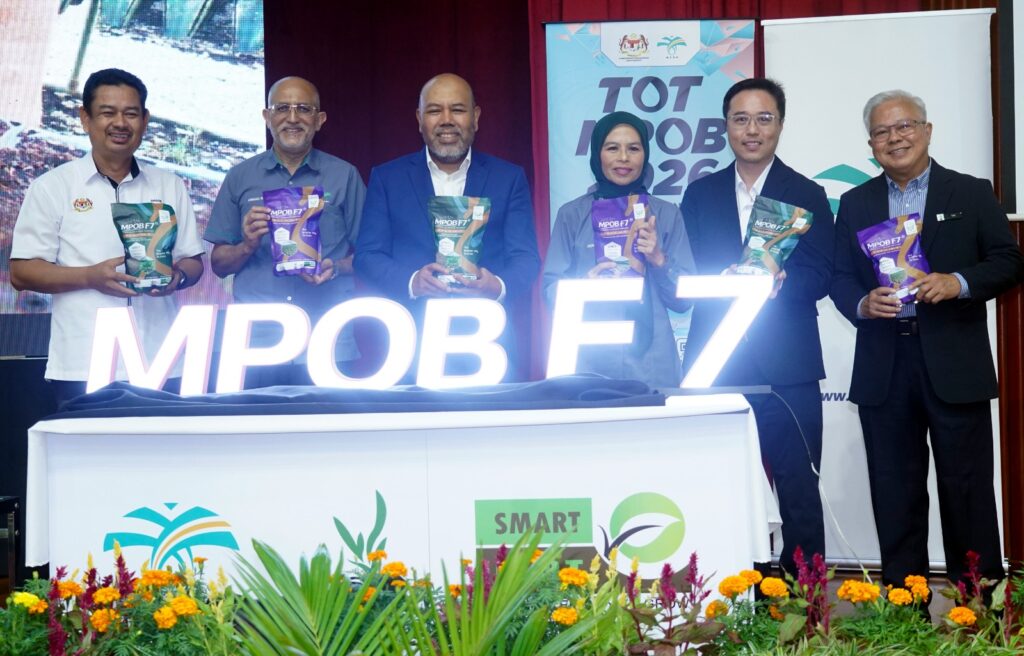
Furthermore, the adoption of technologies such as high-performance planting materials developed through tissue culture techniques is expected to enhance fresh fruit bunch yields and oil extraction rates. MPOB has also introduced innovative new fertilizer formulations for oil palm seedlings, aimed at reducing fertilizer waste and improving application efficiency. These advancements are particularly relevant amidst rising agricultural input costs, with fertilizers being a significant component of production expenses.
The industry is urged to embrace technology, data, mechanization, and good agricultural practices to ensure long-term sustainability. MPOB is also focused on increasing the commercialization of local technologies to strengthen the palm oil industry's value chain, fostering collaborations with industry players, entrepreneurs, and academics. Memorandums of Agreement and Understanding were exchanged at the event for technologies related to Geo-Agro Solutions, Vegan Mayonnaise, and Analog Adipose Tissue.
The national palm oil industry must now move towards the use of technology, data, mechanization, and good agricultural practices to ensure long-term sustainability.
DistantNews Editorial
Originally published by Utusan Malaysia in Malay. Translated, summarized, and contextualized by our editorial team with added local perspective. Read our editorial standards.
More Stories



From Our Blog

What Gets Lost (and Found) When News Is Translated

The Critical Role of Diaspora Media in Global News

What Travellers Should Know About Countries with Restricted Press

A Digital Nomad's Guide to Following Local News

How the Same Story Looks Different in Different Countries
