

Malaysia's Three Waste-to-Energy Plants to Cut Landfill Use by 2,000 Hectares
Translated from Malay, summarized and contextualized by DistantNews.
At a glance
News
Sources not specified
New plan
- Three waste-to-energy (WTE) plants in Selangor, Malaysia, are expected to reduce landfill use by over 2,000 hectares.
- The plants will generate up to 90 megawatts of power for the national grid and process nearly 90% of domestic waste.
- This initiative marks a shift towards sustainable waste management using modern technology.
The operation of three waste-to-energy (WTE) plants near Jeram and Tanjung Dua Belas in Selangor, Malaysia, is projected to significantly reduce land used for waste disposal by over 2,000 hectares. These facilities are also expected to contribute up to 90 megawatts of power to the national grid.
The 809 hectares of land (land use) we can actually convert into housing areas, economic development, business zones, or manufacturing, which is one of the efforts we need to undertake to develop the economy.
Menteri Besar Datuk Seri Amirudin Shari stated that the WTE plants will process nearly 90% of domestic waste through incineration, converting it into a renewable energy source. Previously, approximately 3,000 hectares were dedicated to landfilling. The existing sanitary landfills can now be repurposed for industrial and scheduled waste management.
Collectively, the three WTE plants are designed to handle up to 5,500 metric tons of waste daily, collected from six major local authorities: Shah Alam, Subang Jaya, Petaling Jaya, Klang, Kuala Selangor, and Ampang Jaya. Amirudin highlighted that the land saved from landfills, about 809 hectares, can be transformed into areas for housing, economic development, business zones, or manufacturing.
So that is the transition mentioned in solid waste management in Selangor from management at landfills managed by the state government through Worldwide Holdings Berhad (WHB), we are moving towards more sustainable management with the latest technology such as WTE.
This transition signifies Selangor's move from conventional landfill management, previously handled by the state government through Worldwide Holdings Berhad (WHB), towards more sustainable solid waste management utilizing advanced technologies like WTE. WTE 1, one of the two plants at Jeram, began commercial operations on May 13, capable of processing 1,500 metric tons of waste daily to generate 26MW of power, enough for 26,000 homes. It operates under a 30-year concession. WTE 2 is still under construction and expected to start operations in October.
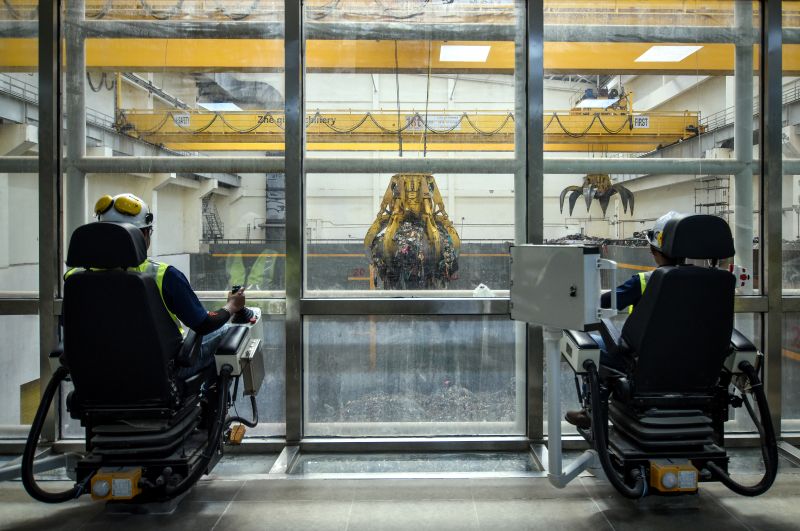
We are subject to the guidelines of the Department of Environment. We always adhere to the set criteria, and the reporting that occurs on the screen (WTE 1 control center) is also broadcast live under the management of JAS, who know about our operations.
DistantNews Editorial
Originally published by Utusan Malaysia in Malay. Translated, summarized, and contextualized by our editorial team with added local perspective. Read our editorial standards.
More Stories



From Our Blog

What Gets Lost (and Found) When News Is Translated

The Critical Role of Diaspora Media in Global News

What Travellers Should Know About Countries with Restricted Press

A Digital Nomad's Guide to Following Local News

How the Same Story Looks Different in Different Countries
