


Malaysia's TVET graduates boast 98.7% employability
Translated from Malay, summarized and contextualized by DistantNews.
At a glance
News
Named sources
Context piece
- Technical and Vocational Education and Training (TVET) institutions under Malaysia's Ministry of Rural and Regional Development (KKDW) achieved a 98.7% graduate employability rate.
- MARA's TVET institutions recorded an even higher employability rate of 99.5%.
- The ministry aims to produce future-proof TVET graduates skilled in high technology, recognized by industry, and capable of driving rural economies.
Technical and Vocational Education and Training (TVET) institutions under Malaysia's Ministry of Rural and Regional Development (KKDW) have demonstrated strong performance, with a graduate employability rate reaching 98.7%. Institutions managed by Majlis Amanah Rakyat (MARA) achieved an even more impressive 99.5% employability.
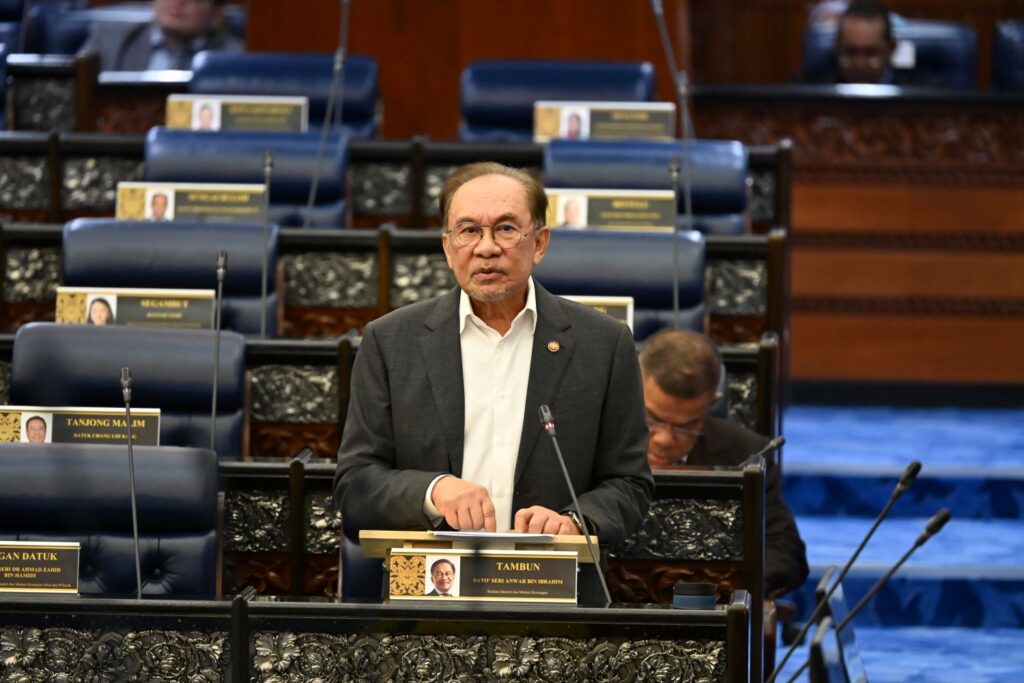
Deputy Minister of Rural and Regional Development, Datuk Rubiah Awang, stated that these achievements confirm KKDW's TVET programs effectively meet industry demands and current job market needs. "The integrated direction of KKDW TVET is clear: to produce TVET graduates who are not only future-proof, possess high technology skills, and are recognized by industry, but also competent as technopreneurs and job creators who can drive the rural economy for national prosperity," she said in Parliament.
Rubiah explained that KKDW TVET is prepared to face the challenges of the modern economy by aligning its programs with high-growth, high-value (HGHV) sectors. These include digital technology, energy transition, high-value electrical and electronics, and modern agriculture. The institutions are equipping trainees with advanced technologies like AI, IoT, cloud computing, cybersecurity, automation, robotics, and smart manufacturing systems, in line with global digitalization agendas.
To optimize expertise and training effectiveness, KKDW TVET institutions are implementing specialized focus areas. Initiatives supporting the green economy agenda and the National Energy Transition Roadmap (NETR) include offering high-impact training in electric vehicle (EV) automotive technology and agricultural biotechnology for rural youth. The ministry also enhances training through the Teaching Factory concept and Work-Based Learning, exposing trainees directly to real factory operations and modern high-tech equipment. Under the TVET 2.0 framework, KKDW will proactively focus on human capital development, including strengthening the TVET Tahfiz program to produce well-rounded individuals with technical and digital skills.
The integrated direction of KKDW TVET is clear: to produce TVET graduates who are not only future-proof, possess high technology skills, and are recognized by industry, but also competent as technopreneurs and job creators who can drive the rural economy for national prosperity.
DistantNews Editorial
Originally published by Utusan Malaysia in Malay. Translated, summarized, and contextualized by our editorial team with added local perspective. Read our editorial standards.
More Stories



From Our Blog

What Gets Lost (and Found) When News Is Translated

The Critical Role of Diaspora Media in Global News

What Travellers Should Know About Countries with Restricted Press

A Digital Nomad's Guide to Following Local News

How the Same Story Looks Different in Different Countries
