


Malaysia's Work From Home Policy: Ready for the Long Haul?
Translated from Malay, summarized and contextualized by DistantNews.
TLDR
- Malaysia's implementation of Work From Home (WFH) for government and GLC employees, starting April 15, raises questions about readiness for sustained remote work.
- While infrastructure like HRMIS and SPOT-Me exists, a lack of clear guidelines risks negative impacts including work pressure, burnout, and blurred work-life boundaries.
- Key challenges include performance evaluation, digital micromanagement, cybersecurity risks, and the need for ergonomic home office setups, especially for those in cramped living spaces.
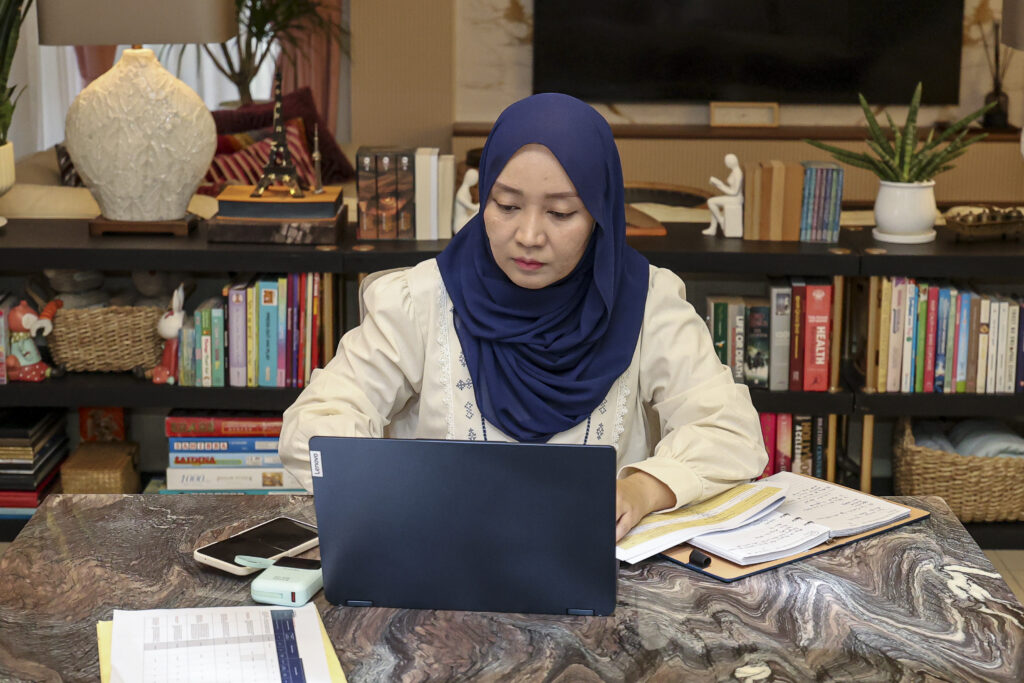
The recent implementation of Work From Home (WFH) for Malaysian government and Government-Linked Companies (GLCs) marks a significant shift in the nation's employment landscape. While the move, effective April 15, is seen as progressive, it brings to the forefront critical questions about the workforce's genuine preparedness for long-term remote operations. Malaysia appears to possess a solid infrastructural foundation, with systems like HRMIS for location registration and SPOT-Me for geolocated attendance monitoring, indicating that the technical aspects are largely in place.
However, the absence of clear, comprehensive guidelines presents a substantial risk. Without them, the potential for negative consequences looms large, including increased work pressure, extreme fatigue, and a severe disruption to work-life balance. The ambiguity surrounding working hours could easily lead employees to exceed standard limits, thereby compromising their well-being. Furthermore, the ergonomic aspect of home working cannot be overlooked; inadequate guidance could expose employees to physical and mental health risks. Therefore, widespread awareness and adherence to established guidelines by all parties are paramount for the sustainability of the BDR practice.
A primary challenge lies in the assessment of performance and accountability. The transition from a presence-based work culture to one focused on results often breeds anxiety among employers, who fear potential productivity declines and difficulties in monitoring staff. This anxiety can inadvertently foster digital micromanagement, negatively impacting employees' psychological health and potentially making them feel undervalued if trust is not fully extended. From a Malaysian perspective, this transition requires a delicate balance. While embracing technological advancements and flexibility, the government and GLCs must ensure that employee welfare is prioritized, and that the benefits of remote work do not come at the cost of burnout or a diminished sense of job satisfaction. The unique context of Malaysian households, often characterized by multi-generational living and limited space, adds another layer of complexity to creating conducive home work environments.
DistantNews Editorial
Originally published by Utusan Malaysia in Malay. Translated, summarized, and contextualized by our editorial team with added local perspective. Read our editorial standards.
More Stories


From Our Blog

What Gets Lost (and Found) When News Is Translated

The Critical Role of Diaspora Media in Global News

What Travellers Should Know About Countries with Restricted Press

A Digital Nomad's Guide to Following Local News

How the Same Story Looks Different in Different Countries
